
Plants
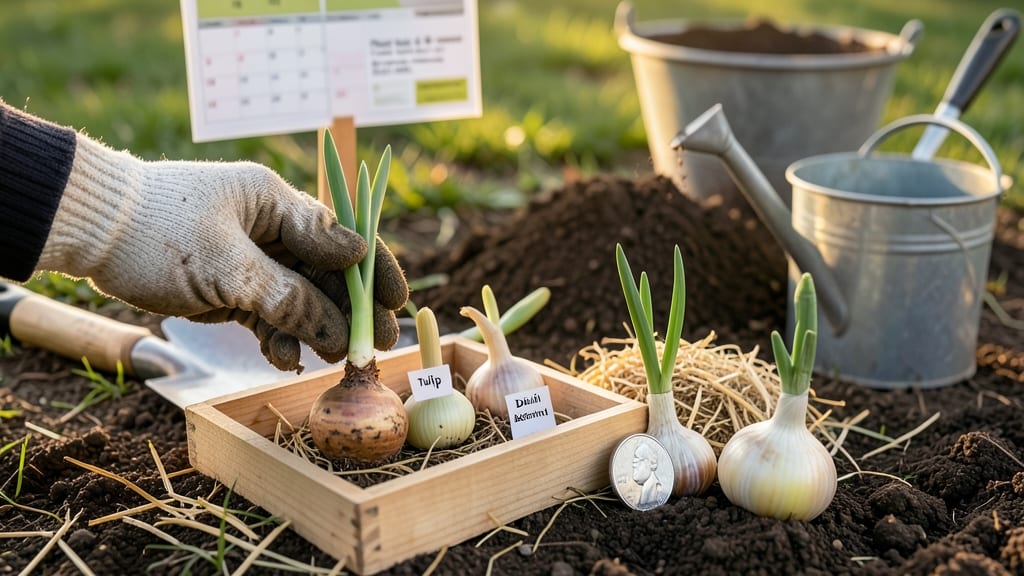
Planting bulbs in Zone 6 at the wrong time can mean the difference between a vibrant spring garden and a missed opportunity—because timing is everything when it comes to 🌱 bulbs thriving through winter.
The secret isn’t just about throwing them in the ground; it’s about understanding that fall planting gives roots time to establish before the first frost hits.
Most gardeners in Zone 6a-6b know the general rule: aim for October to November, but the exact dates depend on your microclimate. Too early, and the soil might still be warm, encouraging top growth that won’t survive winter.
Too late, and the roots won’t have time to anchor before the ground freezes—leaving you with floppy stems or no blooms at all.
In this guide, I’ll break down the perfect 6-8 week window before your first frost, plus the best bulbs for Zone 6 (like tulips and daffodils) that handle our winters like pros.
You’ll also learn how to adjust for early freezes or late springs so your garden still puts on a show.
Ready to stop guessing and start planting with confidence? Let’s make sure your bulbs wake up ready to bloom in spring—no frost damage in sight.
Ideal fall planting window for Zone 6 bulbs (with exact dates)
If you’ve ever wondered when to plant bulbs in Zone 6, the answer hinges on one critical rule: plant 6-8 weeks before the first hard frost. For Zone 6, this typically lands in late September through mid-November, but exact timing depends on your specific microclimate.
The goal? Give bulbs enough time to establish roots before the ground freezes solid.
Zone 6 spans 6a (0-5°F) and 6b (5-10°F) regions, meaning frost dates vary. In northern Zone 6 (6a), aim for planting by October 15th, while southern Zone 6 (6b) gardeners can push it to November 1st. Always check your last average frost date—this is your deadline.
Here’s the golden rule: Soil should be cool (below 60°F) but workable. Use a soil thermometer to confirm—bulbs need 4-6 weeks of chilling to trigger blooming. If you plant too early (e.g., August), bulbs may sprout and get fried by summer heat.
Pro tip: Local nurseries often sell bulbs labeled “Zone 6 hardy”—these are your safest bets. But even hardy bulbs need the right timing. Miss the window? Don’t panic—we’ll cover backup strategies later.
To pinpoint your exact window, use the USDA Plant Hardiness Zone Map and cross-reference with your local cooperative extension service. For example, Chicago (Zone 6a) typically plants by October 10th, while Atlanta (Zone 7b) can wait until November 15th.
Microclimates matter—urban areas may freeze earlier than rural spots.
Don’t rely on calendar dates alone. A late October heatwave can delay frost, while a cold snap in September might force early planting. Always monitor weekly forecasts and adjust. If you’re unsure, plant a few weeks early—bulbs won’t sprout until spring, but roots will establish safely.
One common mistake? Planting too shallow. Bulbs need depth equal to 2-3x their height. For example, a 2-inch tulip bulb should go 4-6 inches deep.
Shallow planting exposes them to frost heave (when soil freezes and pushes bulbs up). Use a bulb planter or trowel to dig holes precisely.
After planting, mulch with 2-3 inches of straw or shredded leaves to insulate soil and retain moisture. This extra layer can mean the difference between survival and failure in a Zone 6 winter. Just avoid piling mulch against bulb stems—keep it 1-2 inches away to prevent rot.
Remember: Fall-planted bulbs reward you with spring blooms, but the magic happens underground. Give them the 6-8 weeks they need, and you’ll enjoy vibrant tulips, daffodils, and crocuses come April—no matter how harsh your Zone 6 winter gets.
Top 5 bulbs that thrive when planted in Zone 6 fall (and when to avoid them)
Not all bulbs handle Zone 6 winters equally—some bloom like champs after a fall planting, while others struggle with our cold snaps. The key is choosing varieties that establish roots quickly and tolerate 10-20°F temperatures without complaint.
Here are my top 5 fall-planted bulbs for Zone 6, plus which ones to skip unless you’re prepared for extra care.
Daffodils (Narcissus) are my #1 recommendation for Zone 6. They’re deer-resistant, frost-hardy, and bloom early—often before tulips even think about waking up.
Plant them 6-8 weeks before frost, and they’ll reward you with golden or white blooms that brighten up even the dreariest spring days.
Tulips are a close second, but not all varieties thrive in Zone 6. Darwin Hybrid and Parrot tulips handle our winters best, while fragile early bloomers like Greigii may need extra mulch. For tulips, aim to plant by mid-October—any later, and you risk weak stems that flop in spring.
🌱 Best Bulbs for Zone 6 Fall Planting
✅ Early blooms, deer-proof, cold-hardy
❌ Needs well-draining soil; avoid soggy spots
✅ Strong stems, late-season blooms, disease-resistant
❌ Plant by mid-October or risk weak growth
✅ Drought-tolerant, long stems, great for cutting
❌ Slow to establish; best in full sun
✅ Early bloomers, naturalize easily, light shade OK
❌ Small flowers; better in masses
✅ Fragrant, bold colors, great for containers
❌ Needs rich soil; avoid windy spots
🚫 Bulbs to Avoid (Unless You’re Prepared)
⚠️ Needs winter chill but hates wet soil
⚠️ Slow to establish; better in Zone 5 or warmer
⚠️ Not cold-hardy; treat as annual in Zone 6
If you’re new to Zone 6 gardening, start with daffodils and Darwin tulips—they’re forgiving and reliable. For something unique, try alliums (they look like giant purple onions and attract pollinators).
Just remember: plant depth matters! Most bulbs need 2-3x their height in soil to survive our winters.
Pro tip: Label your bulbs right after planting so you remember which varieties you’ve got. Some, like hyacinths, need rich soil, while others, like crocuses, are low-maintenance. A little organization now saves headaches in spring when everything starts popping up!