
Companion Plants
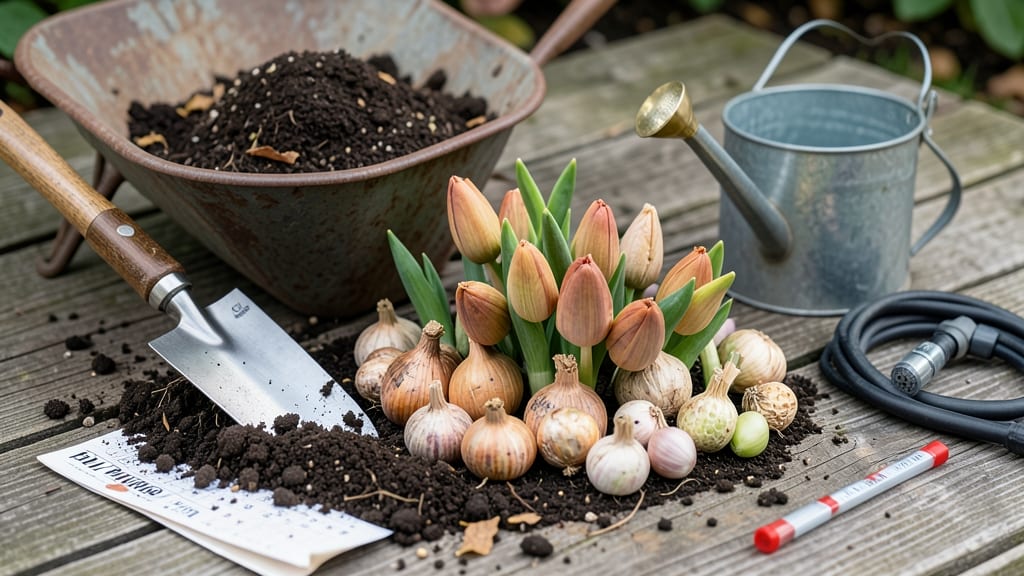
Planting Spring Bulbs (e.g., Tulips, Daffodils, Hyacinths) 🌷 in Phoenix isn’t just about timing—it’s about outsmarting the desert’s scorching heat before it turns your bulbs into crispy snacks.
If you’ve ever watched your garden wilt under the midday sun, you know the stakes: plant too early, and the bulbs rot; too late, and they’ll never get a chance to root.
Here’s the secret: the perfect window in Phoenix is October through December, when temperatures dip just enough to let those bulbs settle in before winter rains arrive.
This isn’t just guesswork—it’s science-backed timing that ensures your 🌷 Spring Bulbs wake up strong and ready to bloom in March or April, not flop.
But why does this matter? Because Phoenix’s 9b climate demands a different approach than cooler regions. We’ll cover how to prep your soil, when to water (hint: it’s not what you think), and which bulbs actually thrive here—no more wasting money on flowers that’ll never make it past summer.
Ready to turn your yard into a springtime paradise? Let’s dive into the game-changer strategies that’ll have your garden looking like a postcard by March—without the guesswork.
Best months to plant spring-flowering bulbs in Phoenix’s climate
Phoenix’s USDA Zone 9b climate means traditional spring-blooming bulbs like tulips and daffodils need a different approach than cooler regions. The key is planting them 6-8 weeks before winter rains—typically between October and December—to give roots time to establish before the monsoon season ends.
Unlike regions with frost, Phoenix bulbs don’t need cold stratification. Instead, they rely on cooler soil temperatures (below 70°F) and consistent moisture to trigger blooming. Planting too early (like August) risks heat stress, while waiting until January may leave bulbs vulnerable to late-season heat spikes.
Here’s how to align your planting with Phoenix’s microclimates: urban areas stay warmer longer, while high-desert zones cool faster. Adjust timing 1-2 weeks earlier for desert edges and 1-2 weeks later for city gardens.
🌱 Pro Tip: Test soil moisture before planting—if it’s bone-dry, wait for 2-3 weeks of steady rain or water deeply 3 days before planting to mimic natural conditions.
| Bulb Type | Ideal Planting Window | Bloom Time | Phoenix-Specific Tip |
|---|---|---|---|
| Tulips | October–November | March–April | Plant deeper (8 inches) in urban areas to escape heat. |
| Daffodils | November–December | February–March | Tolerates partial shade—ideal for west-facing beds. |
| Hyacinths | October–November | March–April | Needs well-draining soil—amend clay with compost. |
| Rain Lilies | September–October | July–August | Perfect for summer blooms—plant in full sun. |
For container planting, use pots with drainage holes and plant bulbs closer together (3–4 inches apart) to conserve moisture. Move containers to shadier spots during 100°F+ days to prevent wilting.
After planting, mulch with 2–3 inches of straw to retain moisture and protect bulbs from temperature fluctuations. Avoid synthetic mulches—they can trap too much heat.
Monitor soil moisture weekly. Phoenix’s low humidity means bulbs dry out faster than in cooler climates. Adjust watering based on rainfall patterns: reduce to every 2–3 weeks once roots establish (typically by January).
If you miss the October–December window, don’t panic! You can still plant in January, but choose heat-tolerant varieties like agapanthus or crinum lilies for better survival rates.
🌷 Key Takeaway: Phoenix bulbs thrive when planted early enough for root growth but not so early they bake in summer heat. Aim for October–November for classic spring blooms, and always prioritize soil moisture over strict deadlines.
Fall vs. winter planting: which strategy works best for Phoenix?
Phoenix’s fall planting season is your golden window for spring-flowering bulbs like tulips and daffodils. But winter planting can also work—if you follow the right rules. The key difference lies in soil temperatures and watering challenges, both of which Phoenix’s climate complicates.
Let’s break down the pros and cons so you can choose the strategy that fits your garden’s needs.
Fall planting (October-December) aligns with Phoenix’s natural monsoon season, giving bulbs a head start on root growth before winter rains. This method reduces the risk of heat stress during establishment. However, winter planting (January-February) can still succeed if you account for warmer soil temperatures and limited rainfall. The choice depends on your bulbs’ tolerance and your garden’s microclimate.
🌱 Pro Tip: Always plant bulbs 6-8 weeks before the first winter rains—typically mid-October to early November—to avoid overwatering or fungal risks.
- Bulbs establish roots before winter rains
- Lower risk of heat stress during planting
- Better bloom performance next spring
- Soil is warmer, aiding root growth
- Less competition from summer weeds
- Can work for heat-tolerant bulbs
- Requires consistent watering until roots establish
- Late fall planting may face early heat spikes
- Limited selection of bulbs suited for Phoenix
- Warmer soil can encourage fungal growth
- Less time for root establishment before summer
- Higher risk of heat stress during planting
For Phoenix’s unique climate, fall planting is generally the safer bet. However, if you’re planting heat-resistant bulbs like rain lilies or agapanthus, winter planting can still yield great results—just be prepared to water deeply and mulch heavily to retain moisture.
Avoid planting in summer or early fall, as the 100°F+ soil temperatures can cook bulbs before they even sprout.
💡 Key Takeaway: Fall planting (October-November) is ideal for most bulbs, but winter planting (January) can work for tougher varieties. Always prioritize well-draining soil and shade protection during the hottest months to give your bulbs the best chance of survival.
🌡️ Did You Know? Phoenix’s soil temperatures can exceed 120°F in summer, making spring planting nearly impossible for traditional bulbs. Stick to fall or winter for the best results!