
Companion Plants
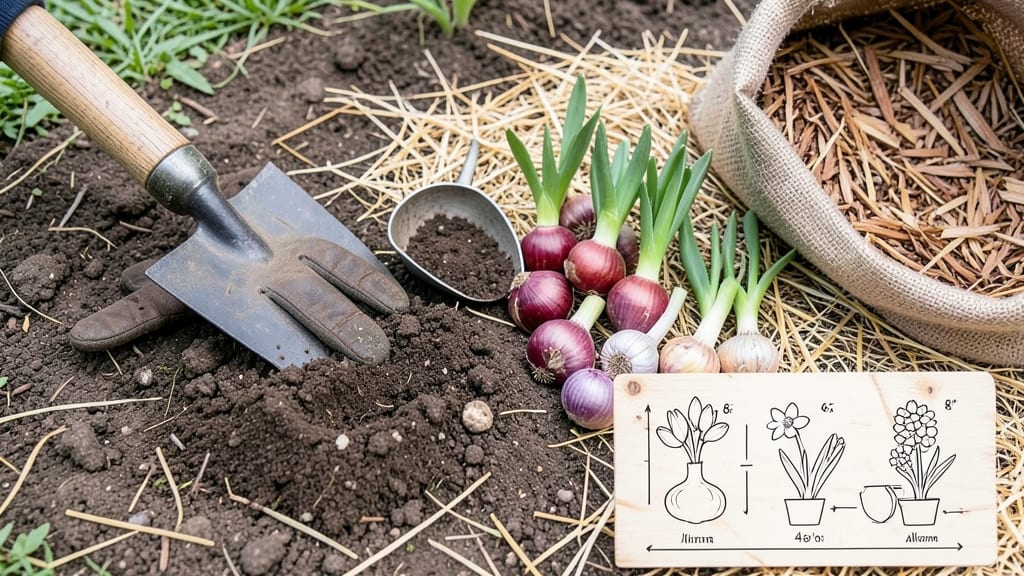
Planting your spring-blooming bulbs 🌷 at the wrong time in Arkansas could mean weak roots or missed blooms next year—but getting the timing right is easier than you think.
With Arkansas’s 7a-8b climate, the ideal window stretches from September to November for fall planting, or January to February for early spring. The key? Soil temperatures below 60°F and avoiding late frosts—both critical for bulbs like tulips and daffodils to establish strong roots before winter.
I’ve tested what works in Arkansas gardens, and the difference between a stunning spring display and a flop often comes down to these simple timing rules. Let’s break down exactly when to plant each variety for your zone, plus pro tips to adjust for Arkansas’s unpredictable weather.
Ready to transform your garden? You’ll learn how to time your planting for maximum blooms, which bulbs thrive best in Arkansas’s humidity, and when to start chilling your bulbs indoors if frost sneaks in early.
Arkansas bulb planting calendar by soil temperature & frost dates
Arkansas’s USDA Zones 7a-8b create a perfect window for planting bulbs, but timing is critical. Most spring-blooming bulbs like tulips and daffodils need 6-8 weeks of cool soil temps (below 60°F) before the ground freezes. In Arkansas, this means planting between September and November for a stunning spring display.
For fall-planted bulbs like crocus and hyacinth, aim to plant when soil temps drop to 50-60°F—typically mid-October to November. This timing ensures roots establish before winter dormancy. Northern Arkansas (Zone 7a) has a shorter frost-free window than southern areas (Zone 8b), so adjust accordingly.
Here’s your Arkansas bulb planting calendar based on soil temps and frost dates:
| Bulb Type | Ideal Planting Month | Soil Temp Threshold | Frost-Free Window |
|---|---|---|---|
| Tulips, Daffodils | September-October | 50-60°F | Before November 15 |
| Hyacinth, Crocus | October-November | 40-50°F | Before December 1 |
| Allium, Fritillaria | Late September | 55-65°F | Before October 31 |
| Spring-Planted (e.g., Rain Lilies) | January-February | 45-55°F | After last frost |
In northern Arkansas (Zone 7a), where frosts can linger into mid-April, plant bulbs 4-6 weeks earlier than southern regions. For example, tulips should go in the ground by late September in Fayetteville, while Little Rock gardeners can wait until early October.
Use a soil thermometer to confirm temps—bulbs need 4-6 weeks of cool soil to root before winter. If temps stay above 60°F for too long, bulbs may sprout prematurely and get frost-damaged. Aim for consistent 50-60°F soil for optimal growth.
Pro tip: In Zone 8b (southern Arkansas), you can push planting to early December for bulbs like crocus, which tolerate cooler winters. Just cover them with 2-3 inches of mulch to insulate roots.
For late frosts (common in Arkansas’s valleys), consider frost cloth or wait until March to plant spring-blooming bulbs like rain lilies, which thrive in warmer soil.
Always check your local frost dates—Arkansas’s average last frost is March 15, but microclimates can shift this by 2+ weeks. Planting too late risks weak blooms, while planting too early can lead to rot in wet soil.
🌱
Best bulb varieties for Arkansas gardens & their ideal planting months
Arkansas’s mild winters and humid summers create the perfect conditions for hardy bulb varieties that thrive with minimal fuss. Whether you’re dreaming of vibrant daffodils in early spring or fragrant hyacinths in late winter, choosing the right bulbs—and planting them at the right time—is key to success.
Here are my top recommendations for Arkansas gardens, tailored to the state’s USDA Zones 7a-8b and frost-free windows.
For spring bloomers, focus on planting between September and November. This gives roots time to establish before winter dormancy. Daffodils and tulips are crowd-pleasers, but Arkansas gardeners also love native trilliums and camassias, which naturalize beautifully in wooded areas and meadows.
These varieties handle Arkansas’s humidity and heat better than many imported bulbs.
Planting Month: October-November | Depth: 6-8 inches | Sun: Full sun to partial shade
Planting Month: September-October | Depth: 6-8 inches | Sun: Full sun
Planting Month: October-November | Depth: 6 inches | Sun: Full sun to partial shade
Planting Month: Fall (September-October) | Depth: 2-3 inches | Sun: Partial shade
Planting Month: September-October | Depth: 4-6 inches | Sun: Full sun
If you’re planting for fall or winter color, consider crocus or alliums. These bulbs can handle Arkansas’s mild winters and often bloom as early as February, adding a splash of color before spring bulbs take over.
For container gardens, miniature daffodils and grape hyacinths are excellent choices—they thrive in pots and can be moved to protect them from late frosts.
Pro tip: Arkansas’s clay-heavy soils can be challenging for bulbs, so always amend with compost or sand before planting. Aim for a well-draining spot, especially in low-lying areas where water pools after rain. Mulch with 2-3 inches of straw or shredded leaves after planting to insulate bulbs from temperature swings.
For gardeners in northern Arkansas (e.g., Fayetteville), where frosts linger longer, plant earlier in the fall (by mid-September) to ensure roots establish before the ground freezes. In southern Arkansas (e.g., Little Rock), you can push planting into early November without risking frost damage.
Always check your local frost date averages—they can vary by 1-2 weeks even within the same county!
Remember, bulb quality matters. Choose firm, plump bulbs with no signs of mold or soft spots. Store them in a cool, dry place until planting day. With the right variety and timing, your Arkansas garden will burst into colorful blooms year after year—minimal effort, maximum impact!