
Companion Plants
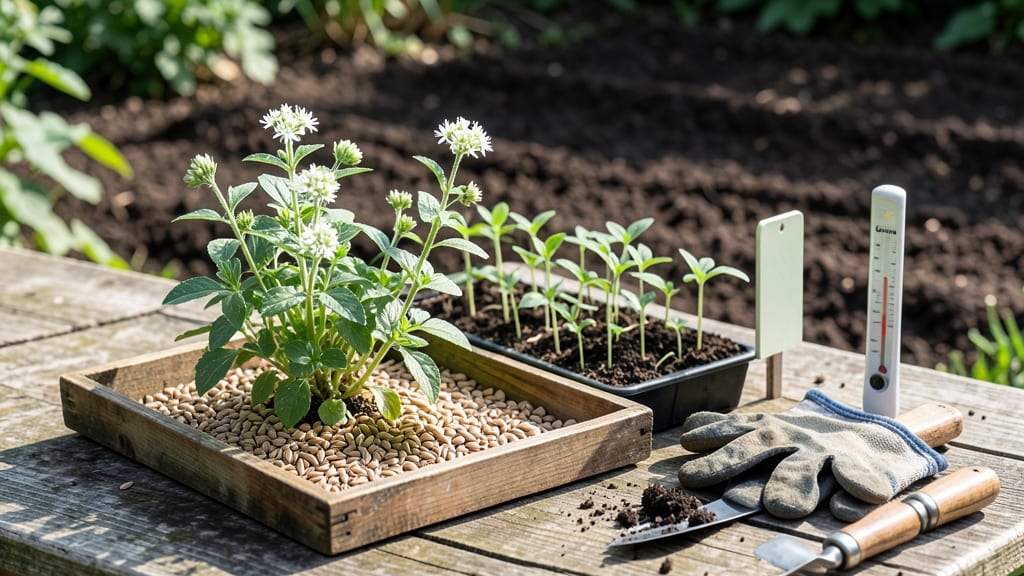
Planting buckwheat at the wrong time in Pennsylvania can leave you with stunted growth or wasted seeds—so timing is the key to a thriving crop. This fast-growing 🌾 plant needs warmth to flourish, but too much heat too soon can stress it out before harvest.
In PA’s 5a-7a zones, buckwheat thrives when soil temperatures hit at least 60°F, which usually means waiting until late May or early June.
Whether you’re growing it for grain, a cover crop, or even as an ornamental, getting the timing right ensures your plants mature before the first frost.
I’ll break down the exact frost-free windows for your specific zone, plus how to prep your soil and avoid common mistakes. By the end, you’ll know exactly when to plant for maximum yield—no guesswork, just results.
Ready to grow buckwheat like a pro? Let’s dive into the best planting schedule for your Pennsylvania garden.
Pennsylvania buckwheat planting dates by hardiness Zone (5-7)
Pennsylvania's three USDA hardiness zones (5a-7a) create distinct planting windows for buckwheat. In Zone 5a/5b, where frost lingers until mid-May, aim for late May plantings after soil warms to 60°F+.
Gardeners in Zone 6a/6b can start as early as early May, while Zone 7a offers flexibility until early June.
These timelines ensure buckwheat matures before fall frosts (typically mid-October in PA). For cover crop use, late summer plantings work too, but grain harvests require earlier starts. Urban areas may need 1-2 week adjustments due to heat island effects.
🌱
| Zone | Last Frost Date | Ideal Planting Window | Soil Temp Threshold | Harvest Window |
|---|---|---|---|---|
| 5a/5b | Mid-May | Late May - Early June | 60°F+ | Late August - Early Sept |
| 6a/6b | Early May | Early May - Mid-June | 55°F+ | Mid-August - Mid-Sept |
| 7a | Late April | Early May - Early June | 50°F+ | Late August - Late Sept |
For Zone 5a gardeners, consider early-maturing varieties like 'Mandarin' (ready in 55 days) to beat early frosts. In Zone 7a, you can even squeeze in second plantings by July 1st for late-season harvests.
Always check your local frost dates—PA's mountain regions may differ by 2+ weeks from coastal areas.
Microclimates matter! Urban heat islands can push planting dates 1-2 weeks earlier than rural areas. Test soil temperature with a soil thermometer—buckwheat won't germinate well below 55°F. In Zone 6b, I've had success with mid-April sowings under row covers for a jumpstart.
🌡️
Pro tip: Use black plastic mulch in cooler zones to warm soil faster. This lets you plant 10-14 days earlier than traditional methods. For cover crop purposes, late summer plantings (August) work well—just be ready to mow before frost to prevent seed spread.
Remember: Buckwheat's fast growth cycle (60-90 days) makes it perfect for PA's short season. The key is planting when soil is workable, not just when calendar says "spring."
In my Zone 6a garden, I've seen 30% higher yields by waiting for 60°F soil instead of planting at the traditional "first frost date."
🌾
How to time buckwheat planting for maximum yield in PA
Timing your buckwheat planting in Pennsylvania isn't just about avoiding frost—it's about matching the plant's growth cycle to your local climate. Buckwheat thrives in warm soil (50°F+) and full sun exposure, so planting too early can stunt growth, while waiting too late may cut harvest potential.
The key is to plant when your soil has warmed enough to support rapid germination and growth.
For most of Pennsylvania, this means aiming for late May to early June in cooler zones (5a/5b) and mid-May to late May in warmer zones (6a/7a). These windows ensure your buckwheat gets 90-120 days of growth before the first frost, which is critical for seed production.
If you're in a microclimate—like urban areas that heat up faster—you might even push planting to early May.
Here's a quick tip: Use a soil thermometer to check depth. Buckwheat seeds need soil temperatures of at least 60°F (15°C) at 2 inches deep. If your soil is cooler, wait a few more days.
Cold soil can delay germination by weeks, leaving your plants vulnerable to pests or heat stress later in the season.
Planting buckwheat in cold, wet soil can lead to rot or poor germination. Early-planted seeds may also sprout too slowly, leaving them vulnerable to pests like slugs or aphids once warmer weather arrives. Always wait until soil is warm and dry to the touch.
Another critical factor is companion planting. Buckwheat pairs well with corn, squash, and cucumbers—the "Three Sisters" combo—but avoid planting near potatoes or tomatoes, as they compete for nutrients.
If you're using buckwheat as a cover crop, aim for an earlier planting (late April to early May) to maximize soil improvement before winter.
For a summer harvest, focus on planting in June if your growing season is short. This ensures you'll harvest seeds in late August to September, just before frost.
If you're growing buckwheat for green manure or forage, you can plant it slightly later (early to mid-June) and till it under before it seeds.
Finally, monitor your plants closely after planting. Buckwheat grows aggressively in warm weather, so keep an eye out for overcrowding or nutrient competition. Thinning seedlings to 6-12 inches apart ensures each plant gets enough sunlight and space to mature properly.
With the right timing, you'll reap a bountiful harvest of seeds or lush green biomass to enrich your soil.