
Plants
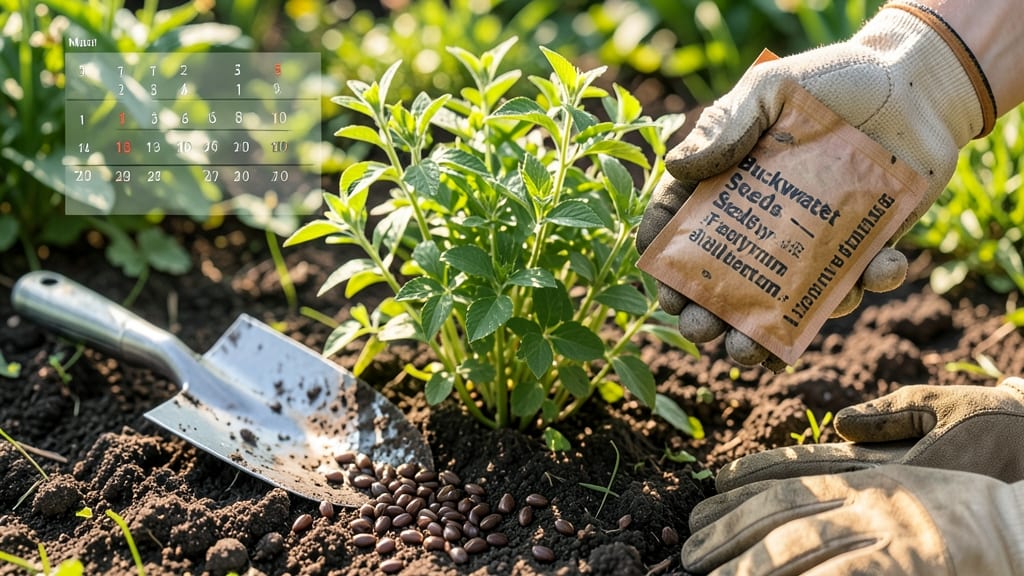
Planting buckwheat at the wrong time in North Carolina can turn your fast-growing cover crop into a flop—wasted seeds, stunted growth, or even frost damage before it matures. The key to success?
Timing it just right, within 6-8 weeks before your first frost, so it thrives in the warm summer months when soil temperatures hit that sweet spot of 60°F+.
In NC’s diverse climate zones—from the Coastal Plain to the Mountains—your exact planting window shifts slightly, but the rule stays the same: late spring to early summer (April-June) is your golden ticket.
Whether you're growing it for grain, pollinators, or soil health, getting this right means faster growth, better yields, and healthier soil by harvest time.
But here’s the catch: NC’s unpredictable weather can throw off even the best-laid plans. Heatwaves might dry out young plants, while early frosts can cut the season short.
I’ll show you how to adjust your planting schedule based on your region—so you’re never left guessing whether your buckwheat will make it to maturity or get nipped by frost.
Ready to unlock the secrets to optimal buckwheat growth in NC? Let’s dive into the exact weeks, soil prep tips, and regional tweaks that’ll turn your cover crop from a gamble into a guaranteed success—no matter where you are in the state.
Optimal buckwheat planting weeks before NC’s first frost (by region)
North Carolina’s diverse climate means buckwheat planting windows vary dramatically from the Coastal Plain to the Mountains. To maximize growth, aim for 6-8 weeks before your first frost, but soil temperature matters just as much—buckwheat thrives when soil reaches 50°F+.
Let’s break down the exact timing for NC’s three key regions.
For Coastal NC (USDA Zones 8a-8b), your first frost typically arrives around November 1-15. Plant buckwheat between mid-July and early August to ensure a full 60-90-day growing season.
This region’s warmer microclimates allow for later plantings than inland areas, but don’t wait past mid-August or risk stunted growth.
The Piedmont (Zones 7a-7b) sees first frosts October 15-November 1, so your planting window shifts earlier: late June to mid-July. Soil warms faster here, but heatwaves can stress young seedlings. Monitor soil temps—plant only when they consistently hit 60°F+ for reliable germination.
| Region | USDA Zone | First Frost | Planting Window | Soil Temp Threshold |
|---|---|---|---|---|
| Coastal Plain | 8a-8b | Nov 1-15 | Mid-July to early Aug | 50°F+ |
| Piedmont | 7a-7b | Oct 15-Nov 1 | Late June to mid-July | 60°F+ |
| Mountains | 6a-6b | Sep 20-Oct 10 | Early June to early July | 55°F+ |
The Mountains (Zones 6a-6b) have the shortest growing season, with first frosts as early as September 20. Plant buckwheat between early June and early July to avoid frost damage. Cooler nights here mean slower germination—use black plastic mulch to warm soil faster if needed.
Pro tip: Use NC State Extension’s Frost Date Calculator for your exact county. Microclimates near lakes or urban areas can delay frost by 1-2 weeks, giving you extra time for late plantings. For example, Asheville’s higher elevation means buckwheat should go in by June 15 at the latest.
Succession planting works well for buckwheat in NC. After your first harvest in late August, sow a second crop by mid-September (Coastal) or early September (Piedmont) to extend your cover crop benefits into fall. Just ensure seedlings have at least 6 weeks before frost to mature.
If you’re growing buckwheat for grain production, prioritize earlier plantings—seed heads need full sunlight in late summer to develop properly. Delayed plantings may yield smaller grains or incomplete seed set due to shorter daylight hours.
For organic gardeners, buckwheat’s fast growth cycle (30-60 days) makes it ideal for soil improvement between cash crops. Time your last planting to finish 2 weeks before your planned fall vegetable rotation to maximize soil nitrogen fixation.
🌾 Always test your soil’s pH (6.0-7.0 ideal) before planting—buckwheat tolerates a wide range but grows best in slightly acidic to neutral conditions. Amend with compost if your soil tests below 6.0 for faster establishment.
How to adjust buckwheat planting for NC’s unpredictable weather patterns
North Carolina’s weather can be as unpredictable as a summer thunderstorm—one day scorching hot, the next with unexpected frost warnings. For buckwheat growers, this means flexibility is key. While the ideal window is 6-8 weeks before your first frost, NC’s heatwaves and early frosts often throw off timing.
The good news? With a few adjustments, you can still maximize your cover crop’s benefits.
First, always check your local frost forecast 2-3 weeks before your target planting date. Tools like the NC State Climate Office provide real-time updates on frost risks. If an early frost is predicted, shift your planting date 2 weeks earlier to ensure buckwheat matures before cold snaps hit.
This is especially critical in the Mountains, where frosts can arrive as early as October 15.
For drought-prone areas like the Piedmont, choose drought-tolerant varieties such as ‘Manchurian’ or ‘Tartary buckwheat’. These varieties thrive with less frequent watering once established, reducing stress during dry spells. Pair this with mulching—apply a 2-inch layer of straw or wood chips—to retain moisture and keep soil temperatures stable.
Mulch also suppresses weeds, giving your buckwheat an uninterrupted growth advantage.
- Monitor Frost Forecasts
- Plant Early if Frost Risk Rises
- Use Drought-Tolerant Varieties
- Mulch to Retain Moisture
- Succession Plant in Coastal Areas
In Coastal NC, where humidity and heat linger longer, consider succession planting. Sow a second batch of buckwheat 4-6 weeks after your initial planting to extend your cover crop’s active growth period.
This strategy works well if your first planting faces pest pressure or disease issues, giving you a backup harvest. Just ensure your second planting aligns with soil temperatures above 50°F.
If you’re in a microclimate—like a valley or near a large body of water—adjust your planting date based on local conditions. For example, areas near the Blue Ridge Mountains may experience earlier frosts than nearby valleys.
Use a soil thermometer to confirm temperatures are consistently above 60°F before planting. This small step can mean the difference between a thriving cover crop and a failed batch.
Finally, don’t overlook the power of shade cloth if extreme heat threatens your young seedlings. A 30-50% shade cloth can protect tender plants from heat stress while still allowing enough light for growth.
Remove it once plants are 2-3 inches tall to avoid stunted growth. With these adjustments, you’ll turn NC’s unpredictable weather into an advantage for your buckwheat harvest.