
Plants
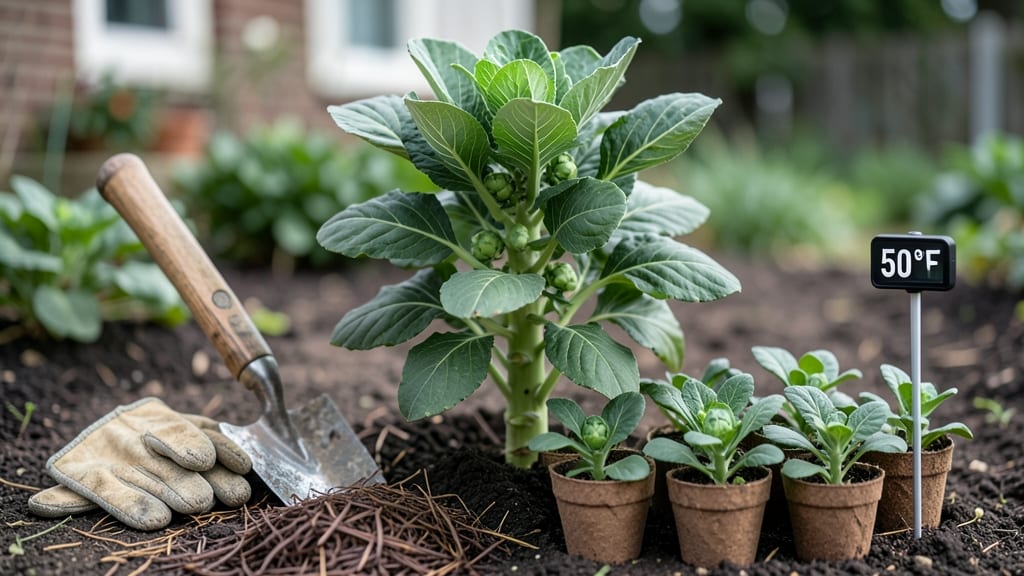
To grow crisp, homegrown brussel sprouts 🥦 in Virginia, timing is everything—plant too soon, and they’ll bolt in the heat; too late, and frost steals your harvest. The secret lies in Virginia’s 6a-8a zones, where cool-season crops thrive when sown at just the right moment.
Most gardeners in Virginia swear by two planting windows: mid-March to early April for spring harvests or late July to mid-August for fall’s sweetest rewards. But getting it wrong means wasted effort—so let’s break down the exact schedule that works for your region.
You’ll learn how to align your planting with Virginia’s frost dates, whether to start seeds indoors or sow directly, and how to adjust for Piedmont heat or Coastal breezes. With these tips, you’ll avoid common mistakes and enjoy a garden bursting with flavor by October.
Ready to master the perfect schedule? Let’s dive into the steps that’ll turn your Virginia garden into a brussel sprouts powerhouse.
Best planting windows for brussel sprouts in Virginia’s climate zones
Virginia’s diverse climate zones (6a-8a) create unique challenges for growing brussel sprouts 🥦. The key is planting when temperatures stay below 75°F—too early, and they bolt; too late, and frost ruins your harvest.
Most successful gardeners in Virginia focus on two planting windows: spring and fall, each with precise timing tailored to your region.
For spring plantings, aim for mid-March to early April—about 4-6 weeks before your last frost date. This gives plants time to mature before summer heat sets in.
In Coastal Virginia (Zone 8a), where springs arrive earlier, you can push planting to late February, while Piedmont (Zone 7a) gardeners should wait until early April.
Fall plantings are equally critical. Seedlings need 90-100 days to mature before the first frost, so late July to mid-August is ideal. In Northwest Virginia (Zone 6a), where frosts arrive earlier, plant by mid-July. Coastal areas can extend this to early September with a little protection.
Here’s a quick reference for Virginia’s optimal planting windows by region, including frost thresholds and microclimate adjustments:
| Region | USDA Zone | Spring Planting Window | Fall Planting Window | Last Frost Date | First Frost Date |
|---|---|---|---|---|---|
| Northwest (e.g., Roanoke) | 6a | Mid-March to early April | Late July to mid-August | Mid-April | Mid-October |
| Piedmont (e.g., Richmond) | 7a | Early April | Late July to early August | Late April | Early November |
| Coastal (e.g., Norfolk) | 8a | Late February to March | Early August to mid-September | Early April | Late November |
| Shenandoah Valley | 6b | Late March | Mid-July to early August | Early April | Mid-October |
Adjust these dates if you experience unusually early or late frosts. For example, 2023’s late spring in Virginia delayed last frosts by 2-3 weeks in many areas. Always check local USDA frost maps or your Cooperative Extension Service for updates.
In Piedmont regions, where summers are hotter, shade cloth can extend the growing season by 2-3 weeks in late summer. Meanwhile, Coastal Virginia’s milder winters allow for extended fall harvests if you plant dwarf varieties like ‘Long Island Improved’ or ‘Ruby Ball’.
Pro tip: Mark your calendar for September 1st—this is the ideal deadline for fall plantings in most of Virginia. After this, your plants won’t have enough time to mature before frost. If you miss it, consider greenhouse growing or container gardening to extend your season.
Once you’ve nailed the planting window, the next step is choosing between transplanting seedlings or direct sowing. Each method has pros and cons, especially in Virginia’s variable climate. We’ll dive into that in the next section to help you decide what works best for your garden.
Best planting windows for brussel sprouts in Virginia’s climate zones
Virginia’s 6a-8a USDA zones create a unique growing window for brussel sprouts 🥦, where timing directly impacts your harvest. The key is planting when soil temps stay below 80°F (27°C)—any hotter, and your sprouts will bolt before producing.
For most of Virginia, this means two ideal planting windows: early spring and late summer.
In Northern Virginia (zones 6a-7a), aim for mid-March to early April for spring plantings, giving you harvests from October to December. Meanwhile, Coastal Virginia (zone 8a) can extend spring planting until late April thanks to milder winters.
The second window—late July to mid-August—works statewide for fall harvests from January to February.
Why these dates? Spring plantings need 90-100 frost-free days to mature, while fall plantings must avoid early October frosts. Virginia’s first frost typically hits mid-October in the Piedmont but can arrive earlier in the mountains. Adjust by 1-2 weeks if you’re in drought-prone areas like the Shenandoah Valley.
| Planting Window | USDA Zones | Frost-Free Days Needed | Harvest Window | Key Adjustments |
|---|---|---|---|---|
| Mid-March to Early April | 6a-7a (Northern VA) | 90-100 days | October-December | Plant after soil reaches 40°F (4°C) |
| Late April (Coastal VA) | 8a (Tidewater) | 100-110 days | November-January | Use shade cloth if temps exceed 85°F |
| Late July to Mid-August | 6a-8a (All VA) | 90-100 days | January-February | Avoid planting after August 15 in mountains |
For Piedmont gardeners, focus on spring plantings—summer heat often stresses fall crops. Meanwhile, Coastal gardeners can experiment with fall plantings thanks to milder winters. Always check your local frost dates using the Virginia Cooperative Extension resources, as microclimates can shift planting windows by 10-14 days.
Pro tip: If you’re in zone 7b+, try a third planting in early September for a December harvest. Just be ready to protect plants with row covers if frost threatens.
The goal is to give your sprouts 60-70 days of cool weather after planting—any longer, and they’ll focus on flowering instead of growing.
Remember, brussel sprouts love cool weather—they’ll taste sweeter after a light frost, so don’t rush to harvest! Plan your schedule around Virginia’s two harvest seasons: fall’s crisp air and winter’s lingering cold. With the right timing, you’ll enjoy homegrown sprouts well into January or February. 🌱