
Plants
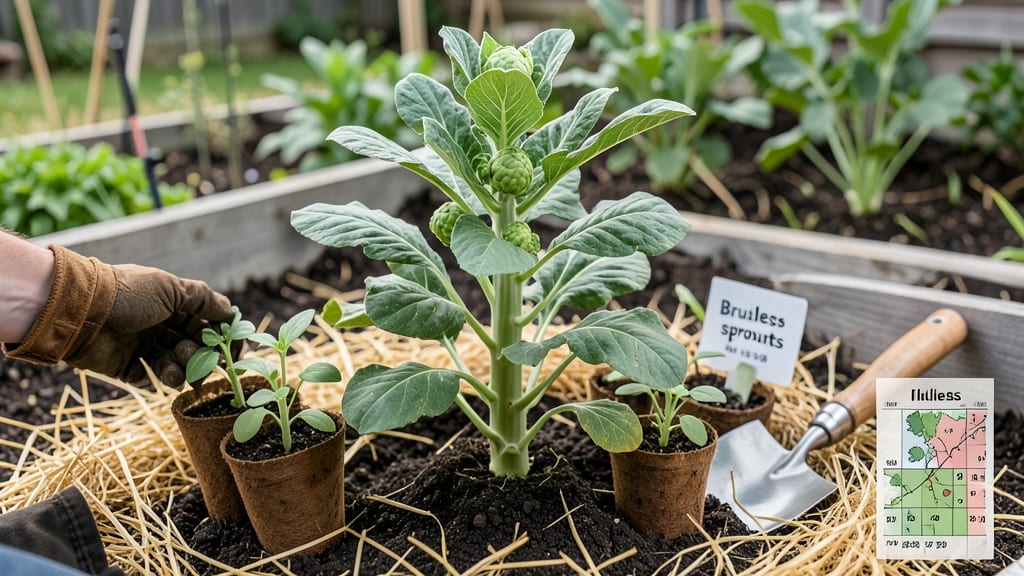
Planting Brussel sprouts 🥦 in Illinois isn’t just about timing—it’s about unlocking their full potential in your garden. These cold-hardy veggies love the state’s crisp autumn air, but get the timing wrong, and you’ll end up with bitter, stunted sprouts instead of the sweet harvest you crave.
Most gardeners in zones 5-7 (like central Illinois) assume they can plant whenever they feel like it, but the truth is, mid-April to early June and mid-July to early August are the magic windows for success.
Why? Because these dates sync perfectly with Illinois’ frost dates and soil temperatures—critical factors that determine whether your plants thrive or struggle.
I’ve grown Brussel sprouts in Illinois for years, and I’ll show you exactly when to plant for maximum flavor and yield, whether you’re starting from seeds or transplants.
Plus, I’ll share pro tips to extend your harvest into winter, so you can enjoy homegrown goodness long after your neighbors’ gardens have gone quiet.
Ready to grow the best Brussel sprouts your Illinois garden has ever seen? Let’s dive into the schedule that’ll turn your fall harvest into a flavor explosion.
Optimal planting windows for Brussel sprouts in Illinois (by region)
Illinois’ diverse climate—from USDA Zone 5 in northern areas to Zone 7 in southern regions—means your Brussel sprouts planting schedule should vary slightly. The key is timing plants to mature 80–120 days before the first frost, which typically hits between late September and early November.
Let’s break it down by region to avoid bitter sprouts or stunted growth.
For Northern Illinois (Zones 5a–5b), where frost arrives earliest, focus on early spring and late summer plantings. Southern Illinois (Zones 6a–7a) has a longer growing season, allowing for more flexibility.
Central Illinois (Zone 5b–6a) falls in between, with mid-April to early June and mid-July to early August as ideal windows.
Here’s how to align your planting with Illinois’ frost dates and soil conditions for the best harvest:
🥦 Illinois Brussel Sprouts Planting Guide by Region
*Soil temperature must stay above 45°F for 7+ days for direct sowing; transplants tolerate cooler soil.
If you’re starting with transplants, Northern Illinois gardeners should plant by May 15 for a fall harvest, while Southern Illinois growers can extend this to June 1. For direct sowing, wait until soil temperatures reach 45°F—use a soil thermometer to avoid delays.
In colder microclimates, like Chicago’s suburbs, opt for early-maturing varieties like ‘Long Island Improved’ (80 days) to beat frost.
For fall harvests, aim to plant 4–6 weeks before your first frost date. This ensures sprouts mature before temperatures drop below 20°F, which can damage the plant.
In Central Illinois, this means late July plantings for a November harvest. Use row covers or cold frames to push harvests into December if needed.
Pro tip: Succession plant every 2–3 weeks in spring and fall to stagger harvests. For example, plant a batch in late April, another in mid-May, and a final one in early July for continuous sprouts from October to December.
This method maximizes your garden’s potential and reduces waste.
Always choose a sunny, well-draining spot with 6+ hours of sunlight daily. Brussel sprouts hate soggy soil, so amend clay-heavy Illinois soil with compost or aged manure before planting. Test your soil’s pH—aim for 6.0–7.0—and adjust with lime or sulfur if needed.
Remember: Brussel sprouts taste sweeter after frost, but they won’t survive heavy freezes. Plan your harvest timeline to pick sprouts before hard frosts (below 20°F) or use protective covers to extend the season. With the right timing, you’ll enjoy homegrown sprouts from October through Christmas!
Optimal planting windows for Brussel sprouts in Illinois (by region)
Illinois’ diverse climate zones mean your Brussel sprouts planting schedule depends on whether you’re in Northern, Central, or Southern Illinois. The key is timing them 70-90 days before frost, since they need cool weather to develop sweet flavor.
Let’s break down the exact windows for each region to maximize your harvest.
For Northern Illinois (USDA Zones 4-5), like Chicago and the Quad Cities, your last frost date typically falls around mid-April to early May. This means your last chance to plant for a fall harvest is mid-July to early August.
If you’re growing for a spring harvest, aim for mid-April to early May—just as the soil warms to 45°F.
🌱 Illinois Planting Windows by Region
| Region | USDA Zone | Spring Planting | Fall Planting | Soil Temp |
|---|---|---|---|---|
| Northern IL | 4-5 | Mid-April to May 1 | Mid-July to Aug 1 | 45°F+ |
| Central IL | 5b-6a | Late April to May 10 | Late July to Aug 10 | 50°F+ |
| Southern IL | 6b-7a | Early April to May 15 | Early July to Aug 15 | 55°F+ |
💡 Pro Tip: Use row covers to extend your fall planting by 2-3 weeks in cooler zones.
Central Illinois (USDA Zones 5b-6a), including Springfield and Peoria, has a slightly longer growing season. Your spring planting window stretches from late April to May 10, while fall planting runs from late July to August 10. Soil should reach at least 50°F before sowing seeds or transplanting seedlings.
In Southern Illinois (USDA Zones 6b-7a), like Carbondale and Marion, you can push your spring planting as early as early April and extend fall planting until mid-August. Warmer soils (minimum 55°F) allow for earlier starts, but avoid planting too soon—cool soil slows germination and invites rot.
Whether you’re direct sowing seeds or using transplants, always wait until the soil is warm enough (test with a soil thermometer) and the nighttime temps stay above 40°F. In Illinois, late frosts can still hit in May, so have row covers ready to protect young plants.
For fall harvests, aim to plant 80-90 days before your first frost (typically mid-October in most regions).
This ensures your sprouts mature before winter sets in. Early varieties like ‘Long Island Improved’ or ‘Jade Cross’ are ideal for shorter seasons, while late varieties like ‘Ruby Ball’ can handle cooler temps.
Remember: Brussel sprouts love cool weather—they’ll bolt or become bitter if summer heat lingers. Plan your planting schedule around Illinois’ frost dates, and you’ll enjoy a sweet, homegrown harvest from fall through winter. 🥦