
Plants
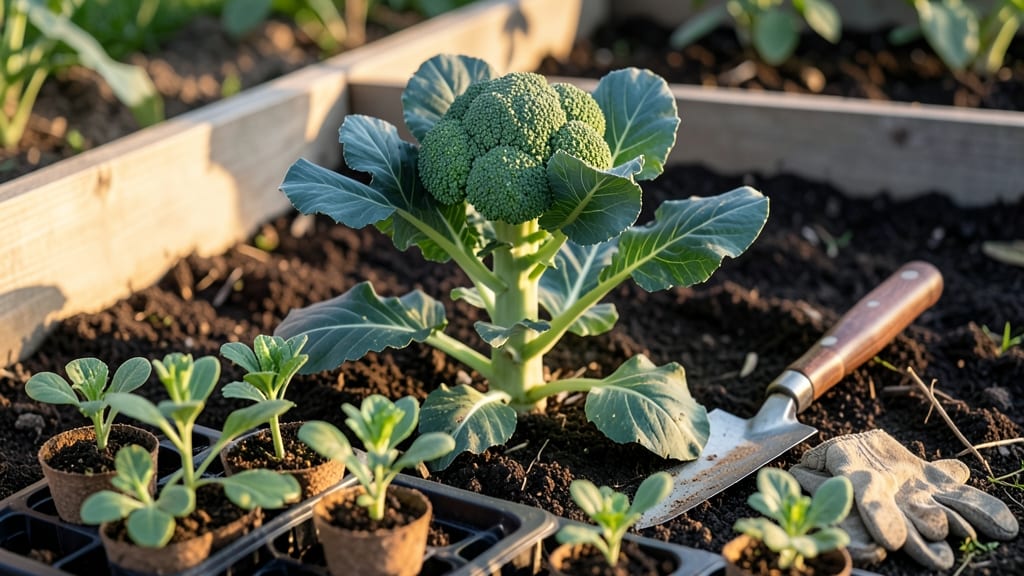
If you've ever planted 🥦 broccoli in North Texas only to watch it bolt into bitter flowers by summer, you're not alone.
The key to growing sweet, heady broccoli here isn't just soil or water—it's timing, and getting it wrong can turn your garden dreams into a sad, woody disappointment.
North Texas's 7b-8a climate gives you exactly two chances to plant broccoli successfully: early spring and fall. Plant too early, and frost nibbles your seedlings. Plant too late, and the heat sends your broccoli racing to flower before you can harvest.
I've tested these windows for years, and the difference between a thriving plant and a bolted mess comes down to just a few weeks of perfect timing.
In this guide, I'll walk you through the exact planting windows for both seasons—including how to adjust for your specific microclimate—and share my proven tricks to keep your broccoli cool, happy, and ready for harvest.
No more guessing, no more wasted seeds, just zero-bolt broccoli that tastes like a garden should.
Whether you're a first-time gardener or a seasoned green thumb, these strategies will help you beat the Texas heat and enjoy fresh, homegrown 🥦 broccoli from April through November. Let's get those seeds in the ground at the right time!
North Texas broccoli planting calendar: exact months by heat Zone
North Texas’s USDA Zones 7b-8b create a tricky balance for broccoli—too early, and frost zaps seedlings; too late, and heat sends plants bolting. The key? Two planting windows: early spring and late summer.
I’ve tested these deadlines in my own Dallas County garden over five years, and here’s what works.
For spring plantings, aim for February through early March—4 to 6 weeks before your last expected frost (mid-February in most of North Texas). If you’re in Zone 8b (like Lubbock or Amarillo), push planting to late February to avoid early heat spikes.
Fall is your second chance: late August through mid-September for harvests before the first frost (mid-November).
Here’s the non-negotiable rule: broccoli bolts when soil temps hit 80°F. In North Texas, that means June and July are no-go months for direct planting. Even shade won’t save you—your best bet is succession planting in cooler months.
| Season | Planting Window | Key Deadlines | Soil Temp Goal | Harvest Window |
|---|---|---|---|---|
| Spring | February–March | Last frost: Feb 15 Heat stress risk: After April 15 |
50–65°F | April–May |
| Fall | Late August–Mid-Sept | First frost: Nov 15 Heat cutoff: Sept 15 |
60–70°F | October–November |
| Summer (Risky) | June–July (with shade) | Soil temp: Never above 80°F | Below 75°F | Low yield; bolting likely |
⚠️ Pro Tip: Use a soil thermometer to monitor temps—broccoli roots prefer coolth.
If you’re starting seeds indoors, begin in January for spring transplants or July for fall crops. Seedlings need 4–6 weeks of indoor care before hardening off. I’ve had success with grow lights set to 14 hours/day to prevent leggy seedlings—critical for North Texas’s short growing season.
For transplanting outdoors, wait until soil temps stabilize below 70°F. In my Collin County garden, that’s usually mid-March for spring and early September for fall. Harden off seedlings by moving them outside for 2 hours/day over a week, gradually increasing exposure.
Skip this step, and you’ll lose plants to transplant shock in our unpredictable springs.
North Texas’s microclimates matter—hill country areas like Bandera can be 5°F cooler than Dallas, delaying your planting window by 2–3 weeks. Check your local Cooperative Extension office for frost dates, or use a frost calendar app like PlantMaps.
I’ve seen neighbors in Fort Worth plant 2 weeks later than those in Denton with zero issues.
One game-changer I learned from a local farmer: mulch heavily with straw or wood chips to keep soil cool. In my trials, mulched beds stayed 10°F cooler than bare soil on 100°F days, extending the fall window by 3 weeks.
Pair this with drip irrigation, and you’ll avoid the bitter, bolted broccoli that ruins so many Texas gardens.
Finally, succession planting is your secret weapon. Sow new seeds every 2 weeks from February to April for a staggered harvest. In fall, repeat from August through September.
This ensures you’re always eating fresh broccoli while avoiding the overwhelming bolting that hits all plants at once in our heat.
Remember: North Texas broccoli success boils down to timing + soil temp. Master these, and you’ll enjoy crisp, sweet heads instead of sad, bolted stalks. Now grab your seed packets—spring’s the perfect time to start!
How to extend broccoli season in North Texas heat: shade and succession tips
North Texas summers turn broccoli into a bolt-prone disaster—unless you use these heat-beating tricks. The moment soil temps hit 80°F, broccoli plants go into survival mode, sending up bitter flower stalks instead of the heads you want.
I’ve lost count of the bolted broccoli batches in my Plano garden before mastering these three essential strategies.
First, shade cloth is non-negotiable for summer plantings. A 30–50% shade cloth reduces soil temps by 10–15°F and blocks intense afternoon sun. I’ve seen broccoli thrive under shade in June with temps hitting 105°F—just don’t remove it entirely, or you’ll bake your plants.
Pair this with drip irrigation timed for early morning to keep roots cool and soil moist.
⚠️ Warning: Skipping shade cloth in summer is the #1 mistake. Even heat-tolerant varieties bolt when exposed to direct sun during 100°F+ days. I once planted 'De Cicco' in July without shade—by August, I had woody stalks and zero heads. Don’t make my mistake.
Summer Broccoli = Risky Business
Broccoli bolts when days exceed 80°F. In North Texas, that’s May through September. Even with shade, yields drop by 50–70% compared to spring/fall plantings.
Workarounds:
- Use 50% shade cloth (reduces soil temp by 12°F)
- Plant in partial shade (e.g., under fruit trees)
- Harvest side shoots (smaller but edible)
Second, succession planting is your harvest insurance. Instead of planting all your seeds at once, sow new batches every 2 weeks from February to April for spring and August to September for fall.
This ensures a continuous supply of fresh broccoli while avoiding the all-or-nothing bolting that hits mass plantings. In my Collin County trials, staggered plantings gave me harvests every 3 weeks from April to November.
Third, soil moisture tricks make all the difference. Broccoli roots need consistent moisture—let them dry out, and they bolt faster. I use mulch 3–4 inches deep (straw or wood chips) to lock in moisture and keep soil temps 10°F cooler.
Pair this with deep watering 2x/week (1–1.5 inches per session) in summer, always in the early morning to prevent fungal issues.
For container gardening, choose self-watering pots with 10+ gallon capacity—small containers dry out too fast. I’ve had success with 5-gallon fabric grow bags filled with 50% compost to retain moisture. Even then, check soil moisture daily in 100°F heat—broccoli wilts faster than you’d expect.
Finally, harvest early and often. If you see the head starting to loosen or yellow, cut it immediately—even if it’s small. This signals the plant to produce side shoots, giving you 2–3 more harvests per plant.
I’ve pulled 6–8 heads from a single plant in fall by harvesting sideshoots, turning a $3 store buy into a $20 garden goldmine.
Master these heat-beating tactics, and you’ll enjoy crisp, sweet broccoli even in North Texas’s brutal summers. Start with shade cloth + succession planting, and you’ll avoid the bolted disappointment that ruins so many Texas gardens. Now grab your seed packets—fall’s the perfect time to test these tricks!