
Plants
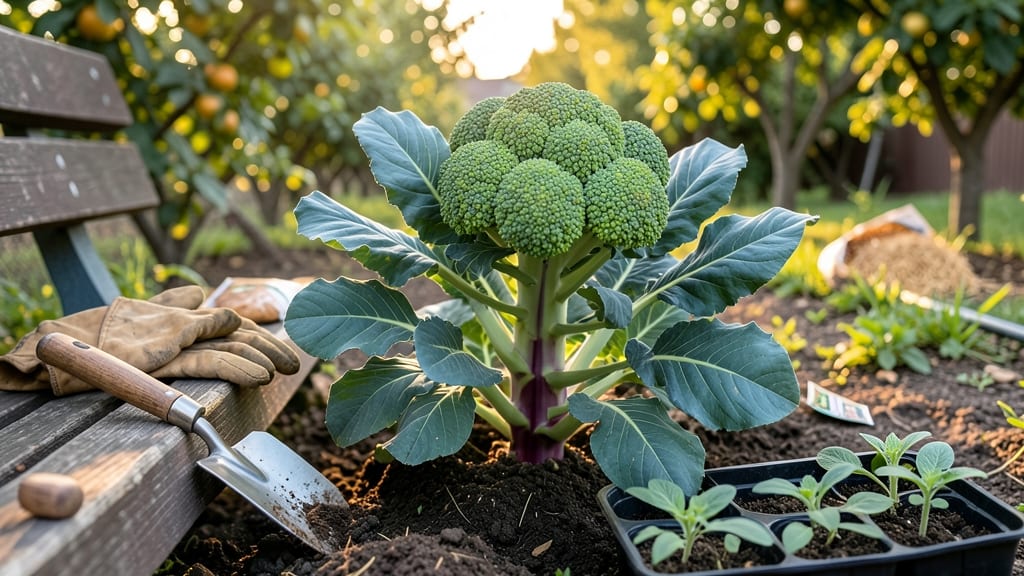
Planting broccoli 🥦 at the wrong time in North Carolina can mean the difference between a bountiful harvest and a wasted effort—especially when your county's frost dates vary by 30 days from the mountains to the coast.
Whether you're in the Piedmont or the Coastal Plain, timing matters more than you might think.
Most gardeners in USDA zones 7a-8b know spring and fall are the prime windows, but the exact dates shift depending on whether you're sowing seeds or transplanting starts.
Get it right, and you'll enjoy crisp heads from April to December; get it wrong, and you might end up with bitter, bolted plants before they even form.
I’ve dug into local frost data and talked to NC State Extension experts to break it down for you.
You’ll learn the exact weeks to plant in your area, how to adjust for microclimates, and why some gardeners in Western NC swear by late summer sowings while Coastal Plain growers stick to early spring.
Ready to stop guessing and start growing? Let’s dive into the county-by-county planting schedule that’ll have your broccoli thriving—no matter where in the Tar Heel State you’re gardening.
North Carolina broccoli planting dates by heat zone (USDA 6b-8a)
North Carolina spans USDA zones 6b to 8a, creating dramatic differences in frost dates and growing seasons.
In Mountain regions (zone 6b), like Haywood County, the last frost typically arrives by April 15, while Coastal Plain areas (zone 8a), such as Dare County, see last frosts as early as March 1.
These variations mean your planting timeline must adapt—or risk bolting heads or frozen seedlings.
For spring broccoli, plant seeds indoors 6-8 weeks before your county’s last frost date. In zone 7a (Piedmont), like Wake County, that’s mid-January to February.
Transplant seedlings outdoors 4-6 weeks before the last frost—typically late February to early March in most of the state. Fall planting is equally critical, with seeds sown 8-10 weeks before the first frost (usually August to September).
Here’s how your county’s heat zone dictates planting: Zone 6b (Mountains): Last frost April 15 → Plant February-March (spring) or August-September (fall). Zone 7a (Piedmont): Last frost March 15 → Plant January-February (spring) or July-August (fall). Zone 8a (Coastal Plain): Last frost March 1 → Plant December-January (spring) or June-July (fall).
| Heat Zone | County Examples | Last Frost Date | Spring Planting Window | Fall Planting Window |
|---|---|---|---|---|
| 6b (Mountains) | Haywood, Henderson | April 15 | February–March | August–September |
| 7a (Piedmont) | Wake, Mecklenburg | March 15 | January–February | July–August |
| 7b (Coastal Piedmont) | Durham, Raleigh | March 1 | December–January | June–July |
| 8a (Coastal Plain) | Dare, Currituck | February 28 | November–December | May–June |
🌱 Pro Tip: Use the NC State Extension Planting Calendar for your specific county (link in resources).
Timing is everything for fall broccoli. In zone 7a, sow seeds July 15–August 15 for a October–December harvest.
Coastal gardeners in zone 8a can push it later—June 1–July 15—thanks to milder winters. Mountain zones (6b) must plant by August 1 to avoid early frosts in October.
For extended harvests, succession plant every 2 weeks in spring and 3 weeks in fall. This ensures a steady supply of fresh broccoli heads instead of one overwhelming harvest. Pair this with row covers in early spring or late fall to push your growing season by 2–4 weeks.
One critical rule: Never plant broccoli when daytime temps exceed 85°F. In zone 8a, summer heat forces broccoli to bolt prematurely. Instead, opt for fall planting or shade cloth to keep soil temps below 75°F.
Check your county’s first frost date (typically
How to adjust broccoli planting for NC’s microclimates and soil types
North Carolina’s three distinct regions—Coastal Plain, Piedmont, and Mountains—each demand unique broccoli planting adjustments. Coastal areas like New Bern (Zone 8a) can start seeds in January, while Asheville (Zone 7a) waits until March to avoid early spring frosts.
Your soil type also plays a critical role: sandy Coastal Plain soils dry faster and need more frequent watering, while clay-heavy Piedmont soils benefit from amended compost to prevent compaction.
For extended growing seasons, use row covers in Western NC counties like Henderson where frosts linger until April 15. In Eastern NC, where humidity spikes in summer, opt for shade-tolerant varieties like Waltham 29 to prevent bolting.
Always test your soil pH—broccoli thrives in 6.0-7.0, and lime or sulfur adjustments may be needed before planting.
🌱
- 1 Coastal Plain: Start seeds January-February; use drip irrigation for sandy soils.
- 2 Piedmont: Plant March-April; amend clay soil with compost + perlite for drainage.
- 3 Mountains: Use row covers until May 1; choose cold-hardy varieties like Calabrese.
- 4 All Regions: Test soil pH; adjust to 6.0-7.0 with lime (raise) or sulfur (lower).
- 5 Humid Areas: Space plants 18-24 inches apart to improve air circulation and reduce disease risk.
If your local frost dates are unpredictable, like in Western NC’s higher elevations, consider starter plants from nurseries. These transplants give you a 4-6 week head start over seeds.
For fall planting, aim to sow seeds by August 15 in Coastal NC or September 1 in the Mountains to ensure harvest before first frost. Always mulch heavily with straw or leaves to retain soil moisture and regulate temperature.
For container gardening in urban NC areas like Raleigh or Charlotte, use large pots (12+ inches deep) with well-draining mix. Water containers daily in summer and move them to partial shade if afternoon temps exceed 90°F.
Container-grown broccoli often bolts faster due to heat stress, so shade cloth is your best friend during July-August.
Pro tip: Save seeds from your best fall broccoli heads for next year’s spring planting. Store them in a cool, dry place (like your garage) until February. This local adaptation often yields hardier plants suited to your specific NC microclimate.
✂️