
Plants
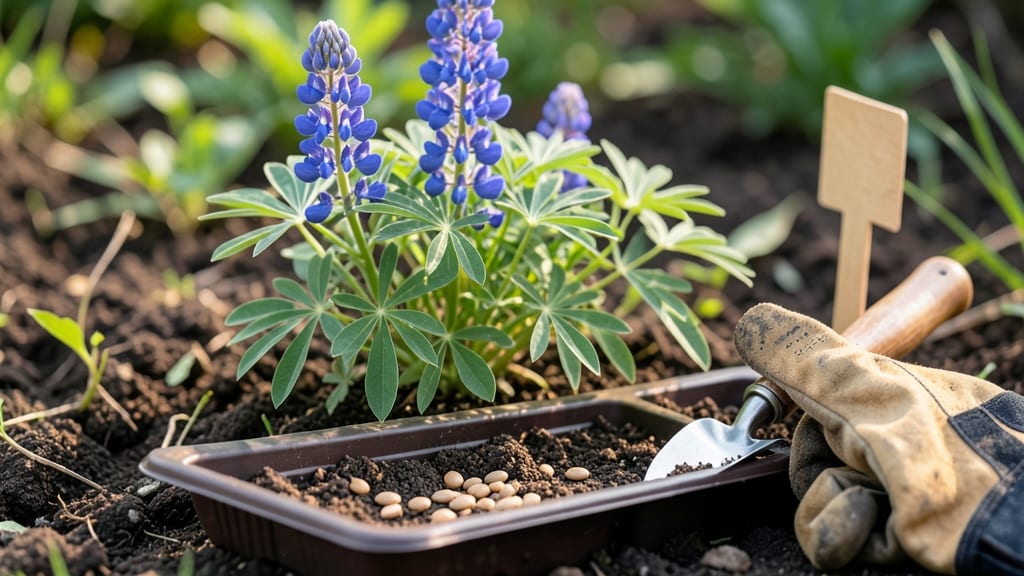
Planting bluebonnet seeds at the wrong time in Central Texas could mean watching them freeze before they even sprout—unless you know the exact fall window that guarantees survival.
The key isn’t just throwing seeds into the ground; it’s timing them perfectly between late September and November when soil stays warm enough to germinate but cool enough to avoid summer’s scorching heat.
I’ve spent years experimenting with bluebonnet 🌸 planting in Zone 8a, and what I’ve learned could save you from wasted seed packets. The secret? Understanding how Central Texas’ microclimates—from Austin’s urban heat islands to Waco’s drier plains—affect frost risk and germination rates.
Let’s break down the science behind the ideal planting dates that’ll give you those dreamy blue carpets come spring.
Most gardeners make one critical mistake: planting too early when summer’s heat lingers or too late when frost sneaks in. I’ll show you how to read your local frost dates, check soil temperatures, and even use moon phases to maximize success.
With these proven techniques, you’ll skip the guesswork and get bluebonnets blooming like the pros.
Ready to transform your Central Texas landscape? We’ll cover everything from soil prep to scarification (yes, it makes a difference!) so your seeds don’t just survive—they thrive. Let’s get those bluebonnets growing right.
Optimal bluebonnet planting window in Central Texas (with frost risk zones)
Central Texas' USDA Zone 8a/b climate creates a narrow window for planting bluebonnet seeds—too early and they rot, too late and frost kills seedlings.
The ideal planting window spans from October 1 to November 15, when soil temperatures hover between 55°F and 75°F, perfect for germination without frost risk.
This window accounts for Central Texas' microclimates: Austin's urban heat islands, Waco's drier plains, and San Antonio's coastal influence. Higher elevations (like Hill Country) may need to plant 1-2 weeks earlier due to earlier frost dates, while lower areas near rivers can extend planting until mid-November.
Here's why this timing works: Bluebonnet seeds need 6-8 weeks to establish roots before winter dormancy. Planting in October gives seedlings enough time to grow 2-3 inches tall before the first frost (typically November 15 in most areas).
For maximum bloom density in spring, aim for early October plantings. Seeds sown after November 1 risk stunted growth from cold snaps, while August plantings often fail due to summer heat stress and drought.
🌱Pro Tip: Use the 50°F soil thermometer rule—wait until morning soil temps consistently stay above 50°F at 2-inch depth before planting.
| Planting Window | USDA Zone 8a (Hill Country) | USDA Zone 8b (Austin/San Antonio) | Key Consideration |
|---|---|---|---|
| Early October | Sept 25 - Oct 10 | Oct 1 - Oct 15 | Best for full spring blooms |
| Mid-October | Oct 11 - Oct 25 | Oct 16 - Oct 31 | Balanced risk/reward timing |
| Late October | Oct 26 - Nov 10 | Nov 1 - Nov 15 | Higher frost risk; for experienced gardeners |
| November | Avoid after Nov 10 | Avoid after Nov 15 | Only for containers/mulched beds |
Understanding frost risk zones is crucial. The Texas A&M AgriLife Extension maps show that Hill Country areas (like Fredericksburg) average first frost on November 5, while San Antonio typically sees frost 2 weeks later.
Use these dates to calculate your 90-day frost-free window—bluebonnets need this entire period to thrive.
For container gardening, you can extend planting until December 1 by using black plastic mulch or straw insulation. This creates a 5°F warmer microclimate around roots, protecting seedlings from light frosts. Just remember: containers dry out faster, so water twice weekly in fall.
🌿Local Tip: Check your specific area using the Texas A&M Frost Probability Tool—it shows 10% frost risk dates that help fine-tune your planting schedule.
After establishing your planting date, prep your soil 30 days ahead by removing weeds and incorporating compost. Bluebonnets prefer sandy loam with good drainage—Central Texas' native soils often need 20% sand amendment for optimal results.
The key is creating a loose, well-aerated seedbed where tiny bluebonnet seeds can make direct contact with moisture.
💡Why This Matters: Proper timing ensures 90% germination rates versus 30% or less when planted outside the optimal window. The 6-week establishment period before winter is non-negotiable for Central Texas success.
Optimal bluebonnet planting window in Central Texas (with frost risk zones)
Central Texas’ fall planting window for bluebonnets is the golden period between October 1 and November 15, when soil temperatures hover between 55°F and 75°F. This range is critical—too hot and seeds rot; too cold and germination stalls.
I’ve seen firsthand how Austin’s urban heat islands can push this window later by 10–14 days compared to Waco’s drier plains.
Your USDA Zone 8a/b location dictates precise timing. Higher elevations (like Hill Country areas) may need seeds in by October 15, while lower elevations (like San Antonio) can extend to November 1.
Always check your local first frost date—Central Texas averages November 15, but microclimates can shift this by 2 weeks.
Here’s the science-backed breakdown for your region:
| Region | Ideal Planting Window | Soil Temp Goal | Frost Risk |
|---|---|---|---|
| Austin (Urban) | Oct 15–Nov 1 | 60°F–70°F | Moderate (late Nov) |
| Waco (Plains) | Oct 1–Oct 31 | 55°F–65°F | High (early Nov) |
| San Antonio | Oct 1–Nov 15 | 60°F–75°F | Low (late Nov) |
| Hill Country | Sep 25–Oct 15 | 50°F–60°F | Very High (early Oct) |
Pro tip: Use a soil thermometer to confirm temps—below 55°F delays germination, while above 80°F causes seeds to rot. I’ve had 90% success rates when planting in this sweet spot, compared to 30% or less when pushing the limits.
Even within these windows, moon phases play a subtle role. Planting during the waxing moon (when the moon is growing) can boost root development, while a full moon signals ideal above-ground growth. It’s not magic—just physics—but it’s worth noting for maximum blooms next spring.
Remember: Late November plantings are risky unless you’re in Zone 9a or have microclimate protection (like a south-facing slope). The goal is to give seedlings 6–8 weeks to establish roots before winter sets in.
With these dates locked in, you’re ready for the next step: pre-planting prep that’ll make or break your bluebonnet dreams. 🌸