
Plants
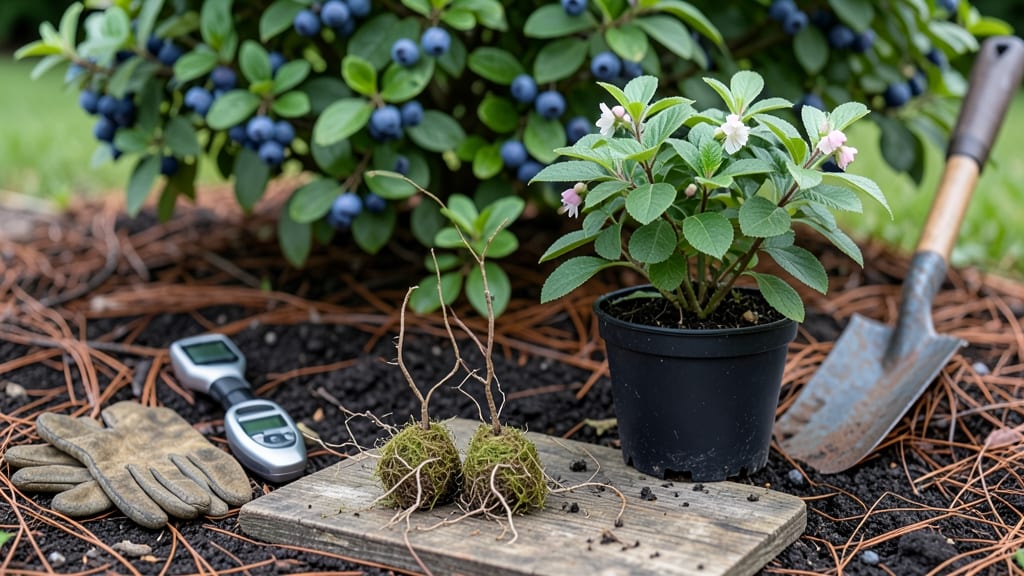
Planting blueberries in Utah isn’t just about waiting for spring—it’s about matching your variety to the state’s chill-hour zones to guarantee those sweet, juicy 🫐 harvests you crave.
With Utah’s dramatic shifts from alpine frosts to desert heat, timing matters more than you might think. Get it wrong, and your plants could struggle—or worse, fail to fruit at all.
But get it right, and you’ll be feasting on homegrown berries by mid-summer, beating the grocery store prices every time.
I’ll walk you through the exact planting windows for your region, whether you’re in Cache Valley’s cooler climate or St. George’s warmer valleys. We’ll also cover soil prep secrets to handle Utah’s alkaline dirt and how to pick the perfect microclimate for your blueberries.
Ready to turn your yard into a blueberry paradise? Let’s dive into the steps that’ll set you up for a thriving harvest—no guesswork, just results.
Utah’s chill-hour zones: how they determine blueberry planting timing
Utah’s diverse geography—from the high deserts of St. George to the alpine valleys of Park City—creates three distinct chill-hour zones that dictate when and what type of blueberries you can grow. These zones measure the number of hours below 45°F your plants need to set buds and produce fruit.
Get this wrong, and you’ll end up with bushes that flower but never fruit—or worse, die from frost damage.
Blueberries fall into three main categories based on chill-hour needs: southern highbush (150-300 hours), northern highbush (600-900 hours), and rabbiteye (300-500 hours).
Utah’s zones range from low chill in southern Utah to high chill in the mountains, so choosing the right variety is critical for success.
Here’s how Utah’s chill-hour zones break down and which blueberry varieties thrive in each:
| Zone | Chill Hours | Best Varieties | Planting Window | Notes |
|---|---|---|---|---|
| Southern Utah (St. George, Cedar City) | 150-300 | Southern Highbush (Top Hat, Emerald) | Late March - Early April | Low chill; avoid frost-prone areas |
| Central Utah (Salt Lake City, Provo) | 400-600 | Northern Highbush (Bluecrop, Jersey) | Mid-April - Late May | Moderate chill; protect from late frosts |
| Northern Utah (Cache Valley, Park City) | 700-900+ | Northern Highbush (Patriot, Legacy) | Late April - Early June | High chill; plant after last frost |
If you live in USDA Zone 7 or higher (like St. George), stick to southern highbush varieties like Top Hat or O’Neal, which need fewer chill hours.
For Zones 5-6 (Salt Lake City, Park City), northern highbush varieties like Bluecrop or Duke are your best bet—they thrive with Utah’s longer winter chills.
Pro tip: Check your local Utah State University Extension office for precise chill-hour data in your microclimate. Even a 100-foot elevation change can shift your zone by 50-100 chill hours, so don’t guess—measure!
Mismatching your variety to your chill hours is like planting a cactus in Alaska—it’s a recipe for disappointment.
For example, planting a Patriot blueberry in St. George (200 chill hours) will leave you with a bush that flowers but never bears fruit, no matter how well you care for it.
Once you’ve matched your variety to your zone, the next step is timing. The ideal planting window varies by region, with southern Utah’s milder winters allowing earlier starts than northern Utah’s frost-prone springs. We’ll dive into those specifics in the next section.
🌱
Best planting months in Utah by region: northern vs. southern slopes
Utah’s diverse elevations and microclimates mean your blueberry planting window varies dramatically from Cache Valley to St. George. Northern regions like Park City have cooler springs with later frost dates, while southern desert areas warm up faster.
Let’s break down the ideal months for each zone to maximize your blueberry success rate.
For northern Utah (USDA zones 5-6), aim for late April to early May after the last frost. In mid-elevation areas like Salt Lake City, you can plant as early as mid-April if soil temperatures stay above 45°F.
Southern Utah’s warmer microclimates (zones 7-8) allow planting from mid-March to early April, but avoid planting too early—soil should be workable and warm.
| Region | USDA Zone | Best Planting Window | Soil Temp Requirement | Plant Type Preference |
|---|---|---|---|---|
| Northern Utah (Park City, Cache Valley) | 5-6 | Late April - Early May | 45°F+ | Bare-root or potted northern highbush |
| Mid-Elevation (Salt Lake City, Provo) | 6-7 | Mid-April - Late May | 50°F+ | Potted southern highbush |
| Southern Utah (St. George, Moab) | 7-8 | Mid-March - Early April | 55°F+ | Potted rabbiteye or southern highbush |
If you’re planting bare-root blueberries, do it as soon as possible after receiving them—these plants have dormant roots that dry out quickly. For potted plants, you have slightly more flexibility but still want to plant before active growth begins.
In Utah’s high desert, this often means avoiding late June plantings, as summer heat can stress newly transplanted shrubs.
Pro tip: Check your local Cooperative Extension office for last frost dates—they often update these annually. For example, Salt Lake City’s average last frost is April 15th, while St. George’s is as early as March 1st.
Planting too early risks frost damage, while planting too late delays fruit production.
For container growing, you can extend your planting window slightly by using black plastic mulch to warm the soil faster. This is especially useful in cool mountain valleys like Cache Valley, where soil stays cold longer.
Just ensure your containers have drainage holes and use a well-draining, acidic potting mix.
Remember: Utah’s short growing season means timing is everything. Plant at the right time, and you’ll be enjoying homegrown blueberries by early July—just in time for summer snacks! 🫐