
Plants
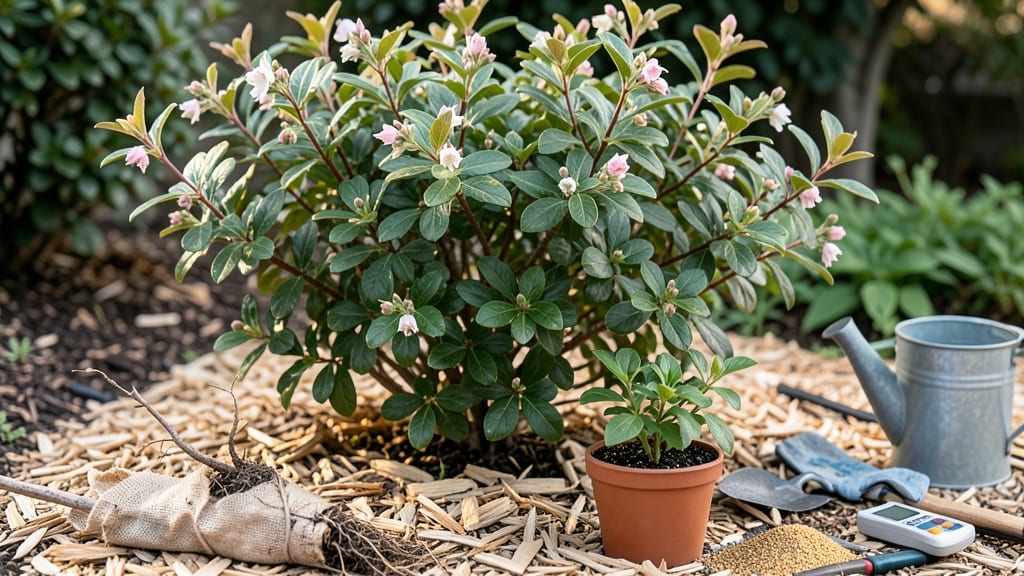
Planting blueberries in Southern California might seem tricky with its mild winters, but timing is everything—and the right chill-hour strategy can make all the difference.
Unlike traditional varieties that need long cold snaps, low-chill blueberries thrive in zones 9b-11, producing sweet 🫐 harvests if planted correctly between November and March.
Most gardeners assume spring is the best time, but cooler winter months actually give your bushes a head start. The key? Matching your variety to your microclimate—coastal areas handle it easier than inland valleys—while avoiding common mistakes like overwatering or skipping soil acidity tests.
I’ve grown blueberries in SoCal for years, and what I’m about to share cuts out the guesswork. You’ll learn exactly which varieties work best, how to prep soil for maximum acidity, and when to water to keep your bushes happy through dry summers.
Let’s get your blueberry patch off to the right start—because with the right timing, you could be harvesting your first berries by next spring.
Best blueberry varieties for Southern California by chill-hour requirements
Southern California’s mild winters mean traditional blueberry varieties won’t thrive—but don’t give up! The secret lies in selecting low-chill varieties (0-300 hours) that match your microclimate. Coastal areas like San Diego get fewer chill hours than inland valleys like Riverside, so your choice depends on where you live.
Most Northern blueberry varieties need 600-900 chill hours, which SoCal rarely sees. Instead, opt for Southern Highbush or Rabbiteye hybrids bred for warm climates. These varieties produce fruit without relying on long winter dormancy, making them perfect for USDA Zones 9b-11.
Here’s how to pick the right variety for your SoCal microclimate:
| Variety | Chill Hours Needed | Best For | Harvest Time | Notes |
|---|---|---|---|---|
| Southern Highbush (e.g., 'Climax', 'Premier') | 0-200 hours | Coastal SoCal (San Diego, LA) | April-May | Dwarf varieties; great for containers |
| Rabbiteye Hybrids (e.g., 'Tifblue', 'Centurion') | 200-300 hours | Inland valleys (Riverside, Palm Springs) | May-June | Larger berries; needs well-draining soil |
| Top Hat (Dwarf) | 0-100 hours | Containers or small gardens | March-April | Patio-friendly; needs acidic soil |
| O’Neal (Semi-Dwarf) | 100-200 hours | Coastal to foothills | April-May | Self-pollinating; disease-resistant |
If you’re in a coastal area, prioritize varieties like 'Climax' or 'Top Hat', which need minimal chill hours. Inland gardeners can try 'Centurion' or 'O’Neal' for slightly larger yields. Always check the chill-hour range on the nursery tag—it’s the #1 factor for success in SoCal.
Pro tip: Pair your blueberry bush with companion plants like comfrey or thyme to improve soil acidity naturally. These plants also deter pests like aphids, which love blueberry leaves.
One common mistake? Buying traditional Northern varieties like 'Bluecrop' or 'Jersey'. These need 600+ chill hours and will struggle in SoCal’s mild winters, often producing sparse or no fruit. Stick to the low-chill list above for reliable harvests.
For container growing, 'Top Hat' or 'Peach Sorbet' (a rabbiteye hybrid) are top picks. Use a 5-gallon pot with acidic potting mix and fertilize monthly during growing season. Containers let you move plants to cooler spots in summer if needed.
🌱
Step-by-step planting timeline for Southern California’s zero-frost zones
Southern California’s frost-free winters mean you’ve got a longer window to plant blueberries than most regions—but timing still matters. The best months to plant are November through March, when cooler temperatures help roots establish before summer heat arrives.
This schedule works for both bare-root and container-grown bushes, though containers give you extra flexibility.
I’ve found that planting in December or January gives bushes a head start, especially in inland valleys where summer drought hits hard. Coastal areas can stretch planting into early spring, but avoid May or later—your bushes will struggle to establish before the heat sets in.
Here’s my exact timeline for planting success in SoCal’s Zone 9b-11 microclimates:
If you’re in a hot inland valley (like the Coachella Valley), consider planting in containers to control soil temperature. Move them to partial shade during peak summer heat—this trick saved my first bushes from wilting.
Pro tip: Use drip irrigation to deliver water directly to roots. SoCal’s windy conditions can dry soil quickly, and blueberries hate soggy feet—so always ensure well-draining soil.
With this timeline, your bushes will be ready to fruit by their second or third year—just in time for SoCal’s April-June harvest season. 🫐