
Plants
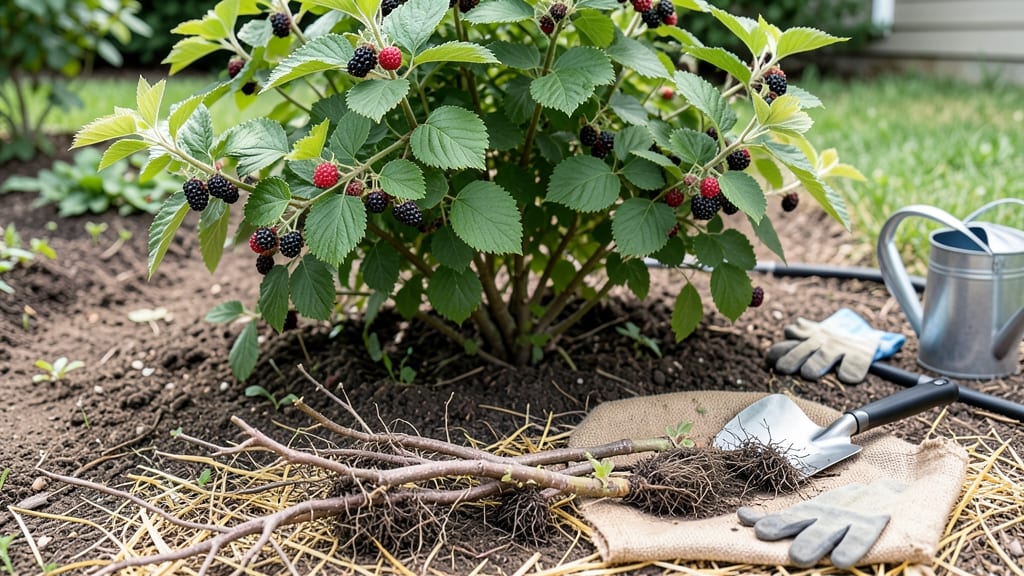
Planting blackberries in Central Texas at the wrong time means watching your 🫐 bushes wilt under the relentless summer sun before they even get a chance to fruit.
The key to success isn't just choosing the right variety—it's planting them when the soil is warm enough to support strong root growth but cool enough to prevent heat stress.
For Central Texas gardeners in USDA Zone 8a, the ideal window is late winter to early spring—specifically February through March—when temperatures are mild and the last frost has passed.
This timing gives your blackberries a head start before the brutal summer heat arrives, ensuring they establish deep roots before the real challenge begins.
But here's the catch: everbearing and fall-bearing varieties have different needs, and bare-root vs. potted plants require slightly different prep work.
I'll walk you through exactly when to plant each type, how to prep your soil for Texas' heavy clay, and the best varieties that actually thrive in our heat without wilting.
Skip the guesswork and learn the exact planting schedule that'll have your blackberries producing juicy, ripe berries from late spring through early fall—no more wasted effort or sad, sun-scorched plants.
Best planting windows for Central Texas blackberries by heat zone
Central Texas’s USDA Hardiness Zones 8a-9a bring intense summer heat, making timing critical for blackberry success. Plant too early, and your bushes will struggle through scorching summers before establishing roots. But nail the schedule, and you’ll enjoy vigorous growth and bountiful harvests for years.
In this region, the sweet spot for planting is late winter to early spring, specifically February through March. This window ensures your blackberries get a head start on root growth before the real heat arrives.
For bare-root plants, aim for planting just before new growth begins—usually by mid-March.
If you miss the spring window, a fall planting option exists—but it’s riskier. Planting in late September to early October gives roots time to establish before winter, but avoid planting after October 15 to prevent frost damage to tender new growth.
Fall planting is best for potted blackberries, which handle transplant shock better.
Central Texas’s last frost date typically falls around February 15, but microclimates vary. Check your local frost-free date and plant 4-6 weeks before to ensure roots establish before summer’s 100°F+ temperatures hit.
For example, in Austin (Zone 8b), March is ideal, while Waco (Zone 8a) may need an earlier February start.
Blackberries thrive in full sun (6-8 hours daily), but afternoon shade helps in Central Texas’s brutal summers. Choose a south-facing location with well-draining soil to prevent root rot.
If your yard has heavy clay soil (common in Texas), amend it with compost or sand to improve drainage and moisture retention.
For everbearing varieties, like 'Arapaho', plant in late winter to maximize spring and fall harvests. Fall-bearing types, such as 'Natchez', also prefer early spring planting but can handle a late summer harvest if planted in early fall.
Always select thornless varieties for easier maintenance in home gardens.
Here’s the key takeaway: Spring planting (Feb-Mar) is safest, but fall planting (Sep-Oct) works if you act quickly. Avoid planting in summer or late fall, as extreme heat or frost will kill young plants before they establish.
| Planting Window | Best For | Root Establishment | Notes |
|---|---|---|---|
| Late Winter (Feb) | Bare-root plants | 6-8 weeks before summer heat | Ideal for Zone 8a-9a |
| Early Spring (Mar) | Potted or bare-root | Full root growth before summer | Best for everbearing varieties |
| Late Fall (Sep-Oct) | Potted plants only | 4-6 weeks before frost | Riskier; avoid after Oct 15 |
| Summer (Jun-Aug) | Not recommended | Near-zero survival | Extreme heat stress |
Once you’ve chosen your planting window, prepare the site by clearing weeds and amending soil with compost or aged manure. Blackberries need 6-8 feet of space to spread, so plan your layout carefully.
If you’re planting in rows, space canes 4-6 feet apart and allow 8 feet between rows for easy maintenance.
After planting, mulch heavily with 2-3 inches of organic mulch (like wood chips or straw) to retain moisture and regulate soil temperature. This is especially critical in Central Texas, where summer evaporation rates
How to prepare blackberry bushes for Central Texas heat before planting
Central Texas summers hit 100°F+ with regularity, and blackberries aren’t naturally equipped to handle that kind of heat. The key to survival? Preparing your plants before they’re exposed to extreme conditions.
Start by selecting heat-tolerant varieties like 'Arapaho' or 'Natchez'—these handle Texas heat better than standard types. But even the toughest varieties need a head start.
Your first defense is amending the soil to improve drainage and moisture retention. Central Texas clay holds water like a sponge but bakes plants alive in summer. Mix in 2-3 inches of compost and 1 inch of sand (or perlite) to break up compaction.
This creates a looser soil that roots can penetrate easily while retaining just enough moisture to survive dry spells.
Next, focus on mulching heavily right after planting. Use 4-6 inches of organic mulch (straw or wood chips) to shield roots from temperature swings. This keeps soil 10-15°F cooler during peak heat and reduces evaporation. Replenish mulch every 3-4 months as it breaks down.
For young plants, consider shade cloth during their first summer. A 30-50% shade cloth over new canes for the first 6-8 weeks after planting mimics natural acclimation. Remove it gradually to avoid shock—think of it like sunburn protection for tender new growth.
Finally, water deeply but infrequently. Blackberries hate wet feet but need consistent moisture. Aim for 1-2 inches per week during establishment, delivered in morning waterings to prevent fungal diseases. Use drip irrigation to keep foliage dry—this is especially critical in humid Texas summers.
With these prep steps, your blackberries will have the best shot at surviving Central Texas’s brutal summers. The first year is the hardest, but once established, these tough vines will reward you with juicy berries for decades—just don’t skip the prep work! 🌱💧