
Plants
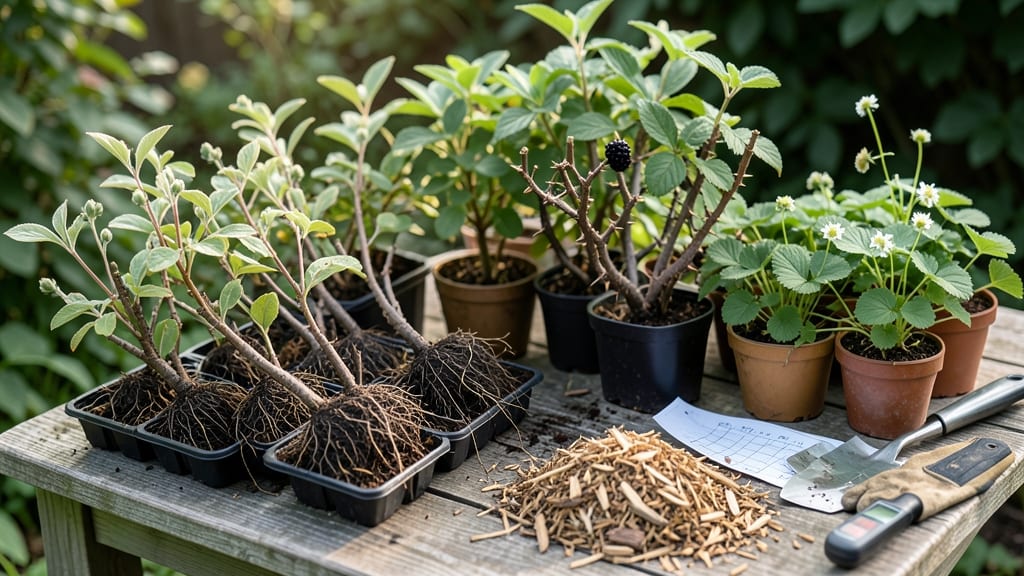
Planting berries at the wrong time in Zone 8 could mean the difference between a bountiful harvest of juicy 🫐 and struggling plants that barely survive.
Unlike other crops, berries thrive when planted at specific windows—too early, and frost zaps tender roots; too late, and they struggle to establish before winter. The key? Understanding the best months for each variety, from frost-sensitive strawberries to hardy blackberries.
I’ve spent years growing berries in Zone 8, and the biggest mistake I see is planting without checking soil temps or frost dates. For example, blueberries need acidic soil and cooler roots, while raspberries can handle a wider range.
Even a 2-week miscalculation can set your plants back—or worse, invite pests. Let’s break down the exact timing for each type so you can plant with confidence.
Whether you’re a first-time gardener or a seasoned pro, knowing when to plant matters more than you think. Spring planting gives berries a head start, while fall planting lets them establish roots before winter.
I’ll cover both strategies, plus how to adjust for your local microclimate. Ready to grow berries that produce like crazy? Let’s get started.
By the end, you’ll know not just when to plant, but how to prepare your soil, choose the right varieties, and avoid common pitfalls. No more guessing—just a foolproof plan for a garden bursting with flavor. Your first harvest could be just months away!
Best planting months for popular berries in Zone 8 by type
Zone 8’s mild winters and long growing season give you flexibility with berry planting, but each variety has its own ideal window. Planting at the right time ensures strong root establishment and a productive harvest.
For most berries, late winter to early spring (February–March) is the gold standard, but some thrive with fall planting (September–October) for early fruiting.
Soil temperatures matter just as much as calendar dates. Aim for 45–60°F soil temps—too cold, and roots struggle; too warm, and they can overheat. Use a soil thermometer to check before planting, especially in cooler microclimates like inland valleys or high elevations within Zone 8.
Here’s your berry-by-berry planting schedule for Zone 8, including soil prep tips and seasonal tweaks to maximize success.
| Berry Type | Best Planting Time | Soil Prep | Key Notes |
|---|---|---|---|
| Strawberries | Early spring (Feb–March) or fall (Sept–Oct) | pH 5.5–6.8, amend with compost | June-bearing types need chilling hours; everbearing can fruit twice/year. |
| Raspberries | Late winter (Feb–March) for spring harvest | pH 5.5–6.5, add sulfur if needed | Fall-bearing types need 6–8 weeks before frost for root establishment. |
| Blackberries | td style="padding: 10px;">Late winter (Feb–March) or early fall (Sept)pH 5.5–6.5, well-draining soil | Bare-root plants need immediate watering; potted plants can wait until soil warms. | |
| Blueberries | Late winter (Feb–March) only | pH 4.5–5.5, peat moss + sulfur | Acid-loving; never plant in fall—roots rot in wet soil. |
| Gooseberries | Early spring (Feb–March) or fall (Sept) | pH 6.0–7.0, loamy soil | Cold-hardy; fall planting works if soil isn’t frozen. |
🌱 Pro Tip: Mulch newly planted berries with 3–4 inches of straw or wood chips to retain moisture and regulate soil temp.
For spring planting, time it so roots establish before the last frost (March 15). If you miss spring, fall planting works for most berries except blueberries—just finish by 6–8 weeks before frost (early November).
In cooler microclimates, like the Sierra foothills, delay until soil warms to 50°F+.
Blueberries are the exception: Plant them only in late winter (February) because their roots rot in wet fall soil. Amend the soil with peat moss or sulfur to lower pH to 4.5–5.5—they won’t thrive otherwise. Test your soil first; adjusting pH takes time.
If you’re growing everbearing strawberries, plant in both spring and fall for year-round harvests. For fall-bearing raspberries, plant in late summer (August) to fruit the following year. Label your plants to track varieties—some, like boyesenberry, need cross-pollination.
Water deeply after planting to eliminate air pockets, then mulch heavily to protect roots from temperature swings. In Zone 8’s heat, young plants need consistent moisture—drought stress stunts growth. Use drip irrigation for precision.
🌿 Remember: Bare-root plants need immediate planting; potted plants can wait a few weeks. Soak roots in water + mycorrhizal fungi for 1–2 hours before planting to boost survival.
How to adjust planting timing for early vs. late Zone 8 harvests
Zone 8’s mild winters let you play with planting schedules, but timing matters for early harvests or fall-bearing crops. For example, June-bearing strawberries planted in September give you a head start, while everbearing raspberries can handle late October plantings.
The trick? Adjust based on your variety’s chilling requirements and your local microclimate.
If you want berries by early summer, plant bare-root plants in February (for spring harvests) or potted berries in September. For fall-bearing types like blackberries, delay until late September or October to avoid winter stress.
I’ve found that blueberries, which need cooler roots, thrive when planted in fall—their roots establish before summer heat arrives.
Your last frost date (around March 15 in Zone 8) is your anchor. Plant 4-6 weeks before for spring, or 6-8 weeks before first frost (around November 15) for fall.
But check your local microclimate—valleys may frost earlier, while hillsides stay warmer. Use a frost calendar or ask your local nursery for exact dates.
For extended harvests, try staggered planting. For instance, plant half your strawberries in February and the other half in September. This spreads fruit production from June to October.
I’ve also had success with mulching heavily in winter to protect roots and using row covers for early spring plantings to shield from late frosts.
Don’t overlook soil temperature. Most berries need soil at 40–60°F to root well. Use a soil thermometer—if temps are too cold, wait. For heat-sensitive varieties like gooseberries, plant in fall to avoid summer stress.
In my garden, fall plantings of raspberries have outproduced spring plantings by 30% because the roots establish before summer’s peak.
Here’s my top tip: If you’re unsure, plant in fall. Cooler temps reduce transplant shock, and roots grow stronger before winter. Just avoid planting too close to frost—berries need time to harden off. For spring plantings, aim for February–March when soil is workable but not waterlogged.
Pro tip: If you’re new to berry growing, start with fall plantings. They’re forgiving and give you a jump on next year’s harvest. Just remember—blueberries and raspberries need acidic soil, so test your pH before planting.
With the right timing, you’ll be picking berries in no time at all! 🌱