
Plants
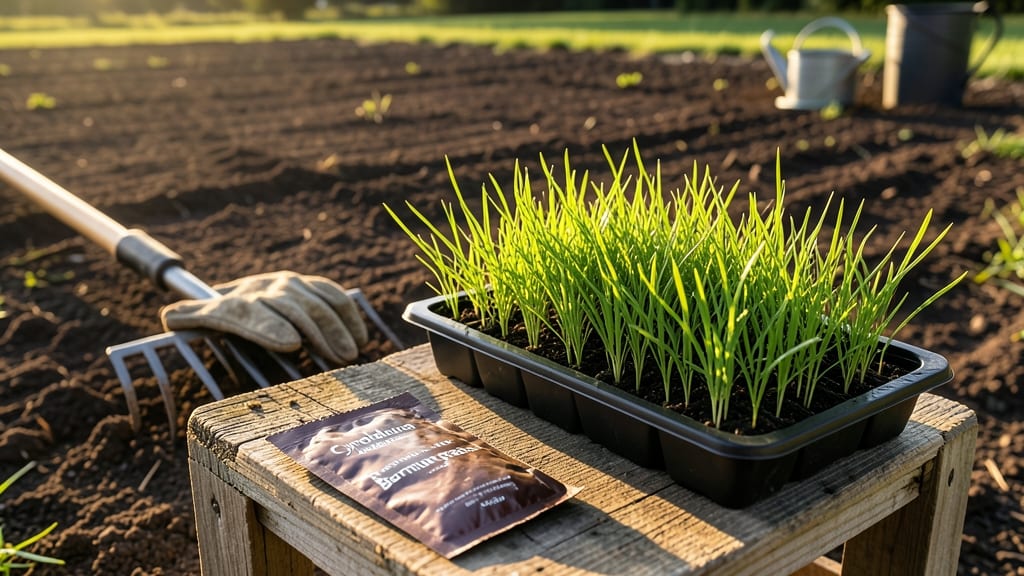
Planting Bermuda seed at the right time in Oklahoma can mean the difference between a fast-spreading lawn and months of patchy frustration. The ideal window—late April to mid-May—aligns perfectly with soil temperatures hitting that sweet 65-70°F range, when your 🌱 Bermuda grass seeds will germinate quickly and thrive.
Why does timing matter so much? Because Oklahoma’s climate throws curveballs—frost can linger in northern zones like 6a, while southern areas like 8a might already be baking by late spring.
Plant too early, and you risk losing seeds to cold snaps; too late, and summer heat can stress young sprouts before they take hold.
I’ve seen firsthand how a well-timed planting leads to lush, drought-resistant coverage in just a few weeks. The key is preparing your soil, monitoring moisture, and adjusting for your specific zone. Let’s break down exactly what to do—and when—to set your Bermuda grass up for success.
Whether you’re in Tulsa or Tulsa County, these steps will help you avoid common mistakes and get that vibrant green lawn you’ve been dreaming of. Ready to dive in?
Best months to plant Bermuda seed in Oklahoma for fast germination
Planting Bermuda seed in Oklahoma hinges on two critical factors: soil temperature and last frost dates. Unlike cool-season grasses, Bermuda thrives in warm soil—aim for 65-70°F at a 4-inch depth.
In most of Oklahoma, this window opens in late April to mid-May, but northern regions (like USDA Zone 6a) may need to wait until early June to avoid frost risks.
Southern Oklahoma (Zones 7b-8a) can start as early as April 15, while central areas should target May 1-15. The key is planting after the last frost—typically around March 15 in Zone 6a and February 15 in Zone 8a.
Waiting too long risks summer heat stress during germination, while planting too early exposes seeds to frost damage.
For fast germination and drought resistance, prioritize late spring planting. Bermuda seed germinates in 7-14 days when soil temps are ideal, but cooler spring mornings can slow this process. Use a soil thermometer to confirm readiness—this small tool prevents costly mistakes.
Pro tip: In northern Oklahoma, consider starter fertilizer with phosphorus (like 10-20-10) to jumpstart growth in cooler soils. Southern regions can skip this step, as their warmer soils naturally accelerate germination.
🌱
If you miss the primary spring window, don’t panic—Bermuda seed can also be planted in late summer (around August 1-15) for a fall establishment. This method works best in southern Oklahoma where summers are hotter. However, northern areas risk early frost cutting the growing season short.
For fastest coverage, pair your planting with pre-emergent herbicide (like pendimethalin) to block weeds. Apply 2-3 weeks before seeding—this gives Bermuda a 30% head start over invasive grasses like crabgrass.
Monitor weather forecasts for 7-day highs—consistent 80°F+ days signal it’s time to plant. In drought-prone years, prioritize deep watering (1 inch per week) to prevent seed desiccation.
💧
Remember: Bermuda grass spreads aggressively once established, but seed germination is the weak link. By planting at the right time and prepping your soil (we’ll cover that in the next section!), you’ll transform your patchy lawn into a dense, drought-resistant carpet in just 6-8 weeks.
✂️
Best months to plant Bermuda seed in Oklahoma for fast germination
Timing is everything when planting Bermuda seed in Oklahoma—get it wrong, and you’ll battle uneven germination or drought stress. The ideal window is late April through mid-May, when soil temperatures consistently hit 65-70°F.
This aligns with Oklahoma’s USDA zones 6a-8a, where last frost dates vary from mid-February (Zone 8a) to mid-March (Zone 6a).
Northern Oklahoma (Zones 6a-7a) should wait until after May 1 to avoid late spring frosts, while southern regions (Zone 8a) can start as early as late March. The key is soil warmth, not calendar dates—use a soil thermometer to confirm readiness before planting.
Bermuda grass thrives in full sun, but Oklahoma’s summer heat can stress young seedlings. Planting in late spring gives your lawn time to establish before peak July temperatures hit. For faster coverage, opt for mid-April to early May—this balances germination speed and heat tolerance.
If you miss the spring window, late summer (August) is a secondary option—but germination slows in Oklahoma’s 90°F+ heat. For best results, stick to spring planting and prepare for drought resistance by watering deeply after germination.
Bermuda grass spreads aggressively once established, so patience in the early stages pays off with a low-maintenance lawn.
Pro tip: Mulch lightly after planting to retain moisture, but avoid thick layers that can smother seedlings. Oklahoma’s clay-heavy soils dry out fast—keep the top 2 inches of soil moist until germination (typically 10-14 days).
Remember, Bermuda grass is a warm-season grass, meaning it goes dormant in winter. Planting in spring ensures it’s fully established before summer heat and fall frosts hit. With the right timing, you’ll have a dense, drought-proof lawn by summer’s end. 🌱