
Plants
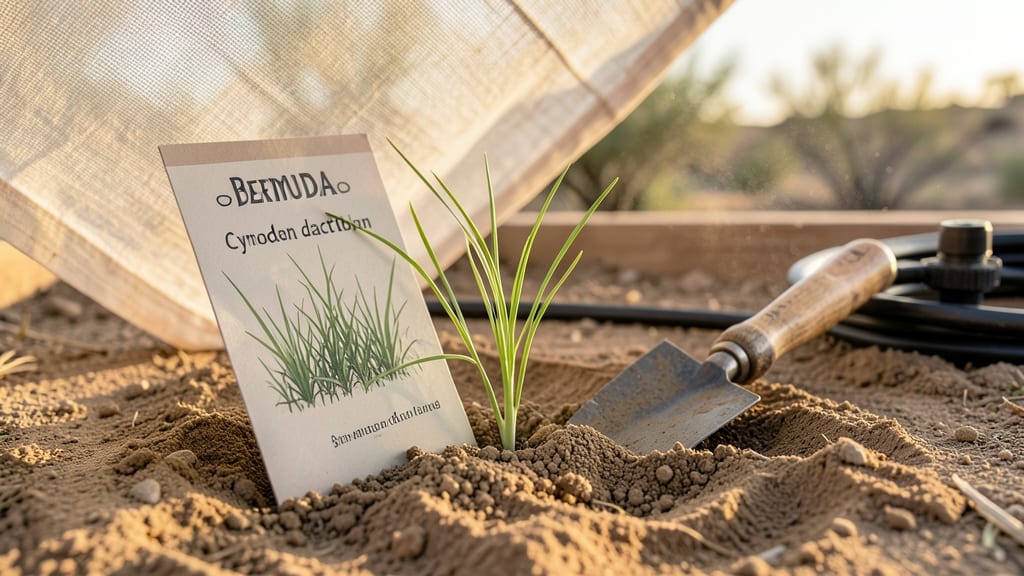
Planting Bermuda seed in Arizona isn’t just about timing—it’s about beating the heat before summer turns your lawn into a crispy desert.
The ideal window of late February to early April gives your grass a fighting chance to establish roots before the scorching sun arrives, but get it wrong, and you’ll be battling weeds and drought instead.
Why does this matter? Because Bermuda grass thrives when soil temperatures hit 65°F+, and Arizona’s rapid warming means you’ve got just a few weeks to prep soil, seed, and water before the monsoons hit. Miss the mark, and you’ll spend the summer patching bare spots or starting over.
I’ve seen firsthand how a fast start—with proper soil prep and deep watering—can turn a struggling lawn into a lush, drought-resistant carpet by June. Let’s break down the exact steps to time your planting for success, whether you’re in Phoenix’s low desert or Tucson’s mid-elevation zone.
From adjusting for microclimates to avoiding common mistakes that kill germination, you’ll learn how to give your Bermuda grass the head start it needs. Ready to transform your yard before the heat peaks?
Arizona heat zones: ideal Bermuda seed planting windows by region
Arizona’s diverse heat zones create distinct planting windows for Bermuda grass. The Low Desert (Phoenix, Tucson) has the earliest deadlines, while the High Desert (Flagstaff, Prescott) waits for later soil warming. Understanding your zone’s microclimate ensures seeds germinate before summer’s brutal heat.
Bermuda grass thrives when soil temperatures hit 65°F+. In Arizona’s Low Desert, this typically occurs by late February to early March. The Mid Desert (Mesa, Sedona) follows 2-3 weeks later, while the High Desert waits until mid-April to avoid frost risk.
Here’s how to align your planting with Arizona’s heat zones for maximum success:
| Heat Zone | Ideal Planting Window | Soil Temp Threshold | Rainfall Trigger |
|---|---|---|---|
| Low Desert (Phoenix, Tucson) | Late February – Early April | 65°F+ consistently | 0.5" pre-planting rain |
| Mid Desert (Mesa, Sedona) | Early March – Mid-April | 68°F+ consistently | 0.75" pre-planting rain |
| High Desert (Flagstaff, Prescott) | Mid-April – Early May | 70°F+ consistently | 1" pre-planting rain |
Monsoon season (July–September) brings Arizona’s critical germination window. Seeds planted too early risk heat stress, while late plantings may not establish before summer’s 110°F+ temperatures. Aim to have 50% coverage before monsoons hit to outcompete weeds.
For Phoenix-area gardeners, the March 1 deadline is non-negotiable. Use a soil thermometer to confirm temps—Bermuda seeds won’t sprout below 65°F. In Tucson’s slightly cooler microclimate, extend your window to early April for safer germination.
High Desert regions like Flagstaff face unique challenges: cooler nights delay soil warming, while higher elevations extend frost risk. Plant no later than May 1 to avoid summer’s drought stress before roots establish.
Pro tip: Test your soil’s moisture before planting. Arizona’s caliche layer (hardpan) can block water—amend with 1-2 inches of compost to improve drainage. This is especially critical in Low Desert zones where evaporation rates soar.
Remember: Bermuda grass is dormant in winter but needs active growth before summer. Planting too late means your lawn will struggle to outcompete weeds during the critical June–July growth surge.
Use these heat zone deadlines as your guide, but always verify with local Cooperative Extension Service data—microclimates can shift planting windows by 2+ weeks even within cities.
Arizona heat zones: ideal Bermuda seed planting windows by region
Arizona’s diverse heat zones create unique challenges for Bermuda grass establishment. The Low Desert (Phoenix, Tucson) has earlier planting windows than the Mid Desert (Prescott) or High Desert (Flagstaff), where cooler nights delay germination.
Understanding these microclimates helps you time seed planting for optimal 68°F soil temperatures—the magic threshold for Bermuda seed activation.
In the Low Desert, aim for late February to early April when daytime highs reach 75°F+ and nights stay above 50°F. This window ensures seedlings establish before summer’s 110°F heat spikes.
The Mid Desert shifts planting to mid-March to early May, while the High Desert waits until late April to June when frost risk disappears and soil warms consistently.
| Heat Zone | Ideal Planting Window | Soil Temp Threshold | Key Climate Factor |
|---|---|---|---|
| Low Desert | Late Feb - Early Apr | 68°F+ consistently | Monsoon prep begins |
| Mid Desert | Mid-Mar - Early May | 70°F+ consistently | Cooler nights delay growth |
| High Desert | Late Apr - June | 72°F+ consistently | Late frost risk |
Rainfall patterns also dictate timing. Plant 1-2 weeks before the first monsoon showers (typically late June) to leverage natural moisture. In drought-prone areas like Yuma, use drip irrigation to supplement until seedlings root deeply. Avoid planting during summer heat waves—seedlings can’t survive 100°F+ soil temps without shade cloth protection.
Pro tip: Test your soil’s moisture retention before planting. Sandy soils (common in Phoenix) dry out faster, requiring daily watering for the first 2 weeks. Clay-heavy soils (like in Flagstaff) may need amended drainage to prevent root rot.
Use a soil thermometer to confirm temps—Bermuda seed won’t germinate below 65°F, even with perfect watering.
For urban microclimates, adjust by 1-2 weeks. South-facing yards in Phoenix warm faster than north-facing lots in Tucson—plant the south side first. Elevation matters too: Sedona’s cooler temps delay planting until mid-April, while Yuma’s desert heat allows January starts in sheltered areas.
Timing isn’t just about the calendar—it’s about seasonal transitions. Plant too early, and cold snaps can kill seedlings. Plant too late, and summer’s intensity stunts growth. Aim for 60-70 days of warm weather before monsoons to establish a dense, drought-resistant lawn that thrives through Arizona’s brutal summers. 🌱