
Plants
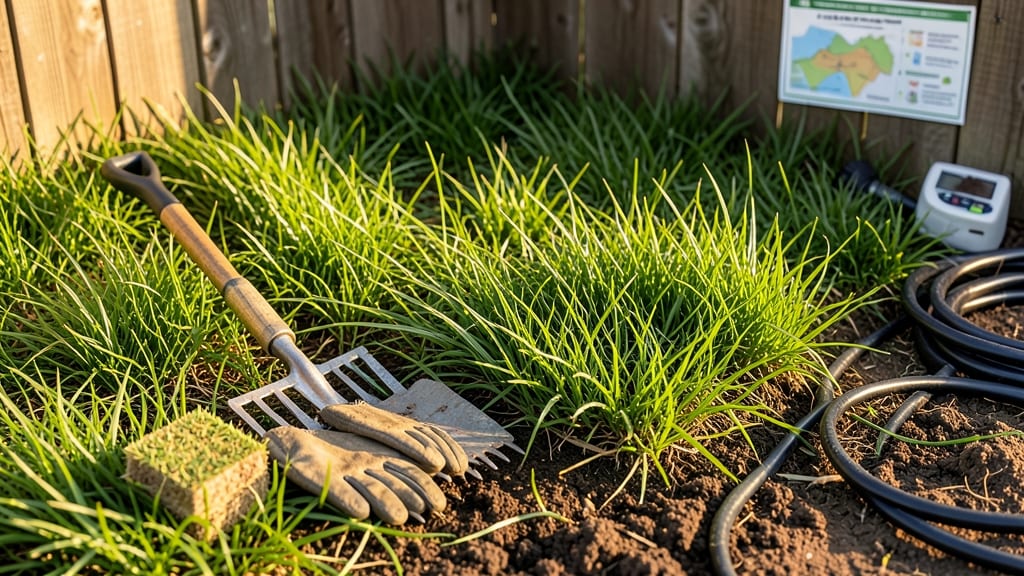
Planting Bermuda grass 🌱 in California at the wrong time can turn your dream lawn into a frustrating gamble—especially when coastal and desert regions have completely different rules.
The difference between a vibrant yard and months of patchy growth often comes down to understanding when to plant based on your specific microclimate.
If you're in coastal areas like San Diego or Los Angeles, your best window is February to March, when soil temperatures are just right and frost risks are minimal. But inland desert regions?
You’ll want to wait until March or April, when the ground warms up enough for strong root development. Getting this timing wrong can mean slower growth or even failure, so let’s break it down.
Beyond just the calendar, soil temperature and regional climate play a huge role. Coastal areas benefit from milder winters, while inland zones need to avoid planting too early when cooler nights can stunt growth.
I’ll walk you through the exact steps to prepare your soil, choose the right planting window for your location, and keep your Bermuda grass thriving once it’s in the ground.
Whether you're a first-time homeowner or a seasoned gardener, these insights will help you avoid common mistakes and create the lawn you’ve been dreaming of. Let’s get started.
Optimal Bermuda grass planting months for California’s coastal vs inland regions
California’s climate is as diverse as its landscapes, and that diversity directly impacts when you should plant Bermuda grass.
Coastal regions like San Diego and Los Angeles enjoy milder winters with minimal frost risk, while inland areas like the Central Valley or desert-adjacent zones face hotter summers and cooler nights.
These differences mean your planting window could vary by as much as two months, depending on where you live.
For coastal areas, the ideal time to plant is February to early March, when soil temperatures hover around 65°F—the sweet spot for germination.
Inland desert regions, however, should wait until March or April, when the ground has fully warmed up and nighttime temperatures are consistently above 50°F.
Planting too early in these hotter zones can stunt growth due to cooler soil, while coastal areas risk frost damage if you wait too late.
Another critical factor is soil temperature. Bermuda grass seeds need soil that’s at least 65°F to sprout successfully. In coastal regions, this typically happens by mid-February, while inland areas may need to wait until late March.
You can check soil temperature with a simple soil thermometer, available at most garden centers for under $10. This small investment can save you from weeks of frustration if you plant too soon.
Let’s break down the key differences between coastal and inland planting windows, including soil temperature thresholds and climate considerations that affect germination success.
| Factor | Coastal Regions (e.g., San Diego, LA) | Inland Regions (e.g., Central Valley, Desert) |
|---|---|---|
| Optimal Planting Window | February - Early March | March - April |
| Soil Temperature Threshold | 65°F+ (typically by mid-February) | 65°F+ (typically by late March) |
| Frost Risk | Minimal (rare after January) | Possible in high desert areas (November - February) |
| Nighttime Temperature | 55°F+ (consistent by February) | 50°F+ (consistent by April) |
| Water Availability | Moderate (coastal fog helps) | Limited (drought conditions common) |
| Key Climate Consideration | Salt air can stress grass; rinse leaves occasionally | Hot days can dry out soil quickly; deep watering essential |
If you’re unsure about your specific microclimate, check with your local UC Master Gardener program. They offer free soil tests and tailored advice for your area. For example, someone in Santa Barbara might plant in early February, while someone in Bakersfield should wait until late March.
These regional differences are why blindly following a general "spring planting" rule can lead to disappointment.
Once you’ve nailed down the right month, the next step is preparing your soil. Bermuda grass thrives in well-draining soil with a pH between 6.0 and 7.5. Coastal areas often deal with salty soil from ocean spray, while inland regions might struggle with compacted or alkaline soil.
I’ll walk you through how to test and adjust your soil in the next section to ensure your Bermuda grass gets the best possible start.
Pro tip: If you’re planting in a high-traffic area, consider using sod instead of seed. Sod establishes faster and can handle foot traffic sooner, which is a game-changer for families with kids or pets.
Just make sure to water it deeply for the first two weeks to encourage root growth.
Timing your plant correctly is just the first step—preparing your lawn for success is where the real magic happens. Let’s dive into the tools and techniques you’ll need to set your Bermuda grass up for a lush, green future.
Optimal Bermuda grass planting months for California’s coastal vs inland regions
California’s diverse microclimates create a major challenge for Bermuda grass planting. Coastal areas like San Diego and Santa Barbara have milder winters, while inland desert regions such as Palm Springs and Bakersfield experience hotter summers and cooler nights. Understanding these differences is key to success.
The ideal soil temperature for planting Bermuda grass is 65°F or higher. Coastal regions typically hit this mark in late February to March, while inland areas may need to wait until March or April. Planting too early in cooler zones risks stunted growth or even seed failure.
Here’s a quick comparison to help you decide the best time for your location:
For coastal gardeners, aim for planting in February or March when the risk of frost is nearly zero. In inland desert areas, waiting until April ensures the soil stays warm enough for strong root development.
Even a few degrees difference can mean the difference between a thriving lawn and a slow-starting one.
One critical factor often overlooked is nighttime temperatures. Inland regions can experience cool nights even in spring, which can slow germination. Use a soil thermometer to confirm temperatures before planting—this small step can save you weeks of frustration.
If you’re unsure about your local microclimate, check with your local UC Master Gardener program for region-specific advice. They can provide soil temperature data and planting recommendations tailored to your exact location. Timing isn’t just about the calendar—it’s about understanding your yard’s unique conditions.
Once you’ve nailed down the right window, the next step is preparing your soil and lawn for planting. This ensures your Bermuda grass gets the best possible start, no matter where you live in California. 🌱