
Plants
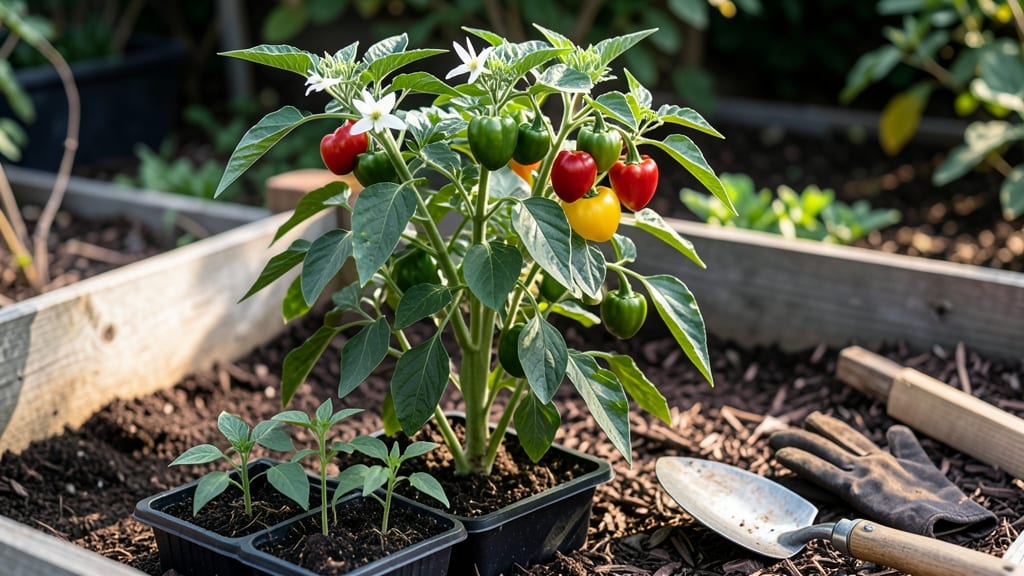
Planting your bell peppers 🌶️ at the wrong time in Washington State can mean the difference between a bountiful harvest and wasted effort.
The key to growing vibrant, flavorful peppers in our 6b-9a zones lies in timing—too early, and frost will nip your seedlings in the bud; too late, and your harvest shrinks before fall arrives.
Washington’s climate is tricky, with last frost dates varying wildly from the Puget Sound’s late March to the highlands’ early May. That’s why knowing exactly when to plant—whether you’re starting seeds indoors or transplanting—isn’t just helpful, it’s essential for success.
In this guide, I’ll walk you through the perfect planting windows for your region, from mid-April to early June for spring crops, plus late-July options for fall harvests. You’ll also discover how to extend your season with simple tricks that work in WA’s cool climate.
Ready to grow peppers that thrive? Let’s dive into the zone-specific dates and tips that’ll have you harvesting juicy, homegrown 🌶️ all season long.
Washington State planting zones & ideal bell pepper transplant dates by region
Washington State’s diverse microclimates mean your bell pepper planting window can vary by hundreds of miles—even within the same county. Most of the state falls under USDA Zones 6b–8a, but coastal areas like the Puget Sound stay cooler longer, while Eastern WA (like Yakima Valley) warms up faster.
Understanding these zones helps you avoid frost damage and maximize your harvest.
For bell peppers, which thrive in warm soil (60°F+), timing is everything. Plant too early, and a late frost will wipe out your seedlings. Too late, and your peppers won’t mature before fall’s chill sets in.
The ideal transplant window in Washington is mid-April to early June, but this shifts based on your exact location and elevation.
Here’s a breakdown of key planting zones and their frost-free windows, so you can plan with confidence:
| Region | USDA Zone | Last Frost Date | Ideal Transplant Window | Soil Temp Threshold |
|---|---|---|---|---|
| Western WA (Puget Sound, Olympia) | 7a–8a | Late April–early May | Mid-May to early June | 60°F+ |
| Eastern WA (Spokane, Wenatchee) | 5b–6b | Mid-April–early May | Late April–mid-May | 55°F+ (earlier in sheltered areas) |
| Yakima Valley (Central WA) | 7a–8a | Early April | Mid-April–early May | 60°F+ |
| Mountainous Areas (Cascade Foothills) | 5b–6a | Early May | Late May–early June | 65°F+ (warmer microclimates) |
If you’re growing bell peppers in containers or high-altitude areas, wait until soil temperatures consistently hit 60°F. Use a soil thermometer to check—cold soil stunts root growth and delays fruiting. Pro tip: Dark-colored pots absorb heat faster, helping warm the soil earlier in the season.
For gardeners in Zone 6b or cooler, consider starting seeds indoors 8–10 weeks before your last frost date. This gives you a head start on the 60–75 day growth window most pepper varieties need to mature. Use grow lights if natural light is limited, especially in early spring.
In warmer zones (7a–8a), like the Yakima Valley, you can also try a late summer planting for a fall harvest. Sow seeds after July 15th and use row covers to protect from early autumn chills. This “second crop” often produces sweeter peppers since they mature in cooler weather.
One common mistake I see in Washington gardens is planting too early based on air temperature alone. Soil temperature is the real indicator—60°F is non-negotiable for bell peppers. Test it in the morning for accuracy, as afternoon sun can temporarily raise readings.
For Puget Sound gardeners, don’t rush to plant in April. Wait until mid-May to ensure your seedlings aren’t caught by late frosts, which can linger into early May in sheltered valleys. In Eastern WA
How to extend your bell pepper growing season in Washington’s cool climate
Washington’s short growing season and unpredictable weather can challenge bell pepper lovers, but don’t let cool temps stop you! With the right tools and techniques, you can extend your harvest by weeks—or even months. Whether you’re in the Puget Sound’s damp lowlands or Eastern WA’s drier highlands, these strategies will help your peppers thrive beyond the typical summer window. A greenhouse or cold frame is one of the most effective ways to start seedlings earlier or keep them growing later. Even a simple hoop tunnel covered with frost cloth can add 2–4 weeks to your season. For gardeners in USDA zones 6b–7a, this means transplanting as early as late March in sheltered areas, giving you peppers by July instead of August.Season-Extending Tools: Pros & Cons
| Tool | Pros | Cons |
|---|---|---|
| Cold Frame | Extends season by 4–6 weeks; low-cost; protects from wind | Requires monitoring for overheating; limited space |
| Row Covers | Lightweight; easy to install; allows airflow; protects from frost | Reduces sunlight by 10–30%; needs removal for pollination |
| Greenhouse | Full control over climate; year-round growing possible; high yield | Expensive; requires ventilation; maintenance-heavy |
| Companion Planting | Natural pest control; improves soil; no extra cost | Limited space; requires research for best pairings |
For gardeners in Zone 8a (e.g., Yakima Valley), you can push the envelope further by using drip irrigation with a timer to maintain consistent moisture, even when temps drop below 50°F.
This keeps roots active longer, allowing peppers to mature 2–3 weeks later than usual. Just remember: stop watering 1–2 weeks before the first frost to harden off plants for storage.
Finally, save seeds from your best peppers to grow next year! Washington’s climate favors heat-tolerant varieties like ‘Carmen’ or ‘Aristotle,’ which handle cooler nights better than standard hybrids. With these tricks, you’ll enjoy fresh, homegrown bell peppers from July through October—or even later with a little extra care.
🌱