
Plants
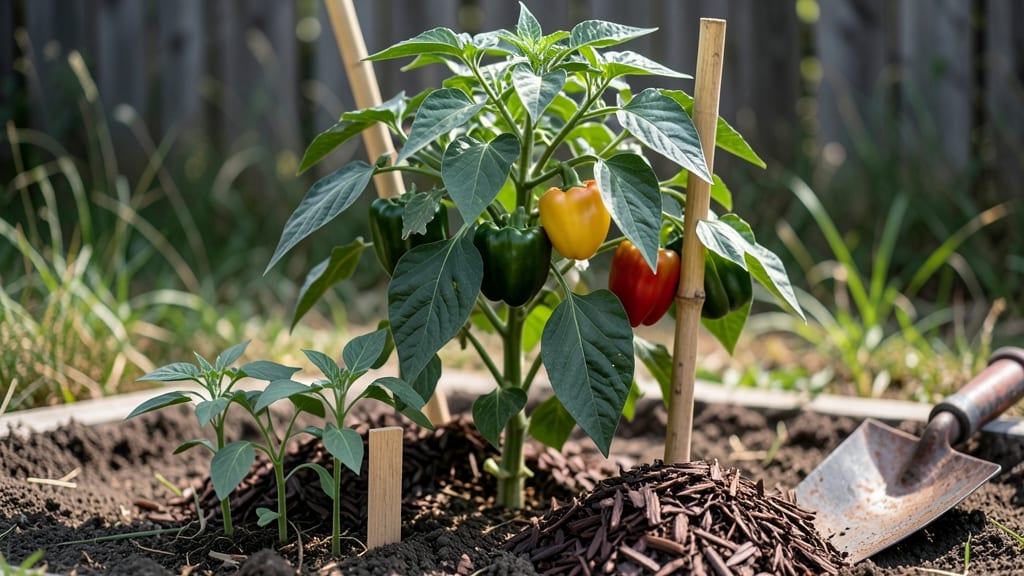
Planting your 🌶️ bell peppers at the wrong time in Tennessee can turn your dream harvest into a sad, wilted disappointment. The key to success lies in waiting for that perfect window—after the last frost but before summer’s brutal heat sets in.
In USDA Zones 7a-7b, where frost can linger until mid-April, timing is everything. Start seeds indoors by early April or transplant seedlings after April 15, when soil temperatures hit at least 60°F. This ensures your peppers thrive from July through October, avoiding both frost damage and heat stress.
But here’s the catch: rushing too early means frost-burned plants, while waiting too long cuts your harvest short. I’ll show you exactly how to nail those dates—whether you’re starting from seed or buying seedlings—so you get the juiciest, most productive 🌶️ crop possible.
Ready to turn your Tennessee garden into a pepper paradise? Let’s break down the best planting strategies for your zone, so you can enjoy fresh peppers straight from your own plot.
Optimal planting dates for bell peppers in Tennessee’s USDA Zones 7a-7b
Tennessee’s USDA Zones 7a-7b offer a 180-210 day frost-free window, perfect for growing bell peppers—but timing is everything. The last average frost date in most areas falls around mid-April, but you should wait until soil temperatures consistently reach 60°F or higher before planting.
This typically means starting outdoors around late April to early May.
For seedlings, begin indoors 8-10 weeks before your last frost date.
In Tennessee, this means starting seeds around late February to early March for transplanting outdoors after the frost danger has passed. Direct sowing outdoors is less common for bell peppers because they’re sensitive to cold soil, but you can try it in early June for a late-summer harvest.
Here’s the key rule: Bell peppers hate cold soil and frost. Even a light frost can kill seedlings, and soil below 60°F slows growth dramatically.
If you’re in Zone 7a, which has a shorter growing season, prioritize early-maturing varieties like ‘Carolina Wonder’ (60 days) over slower growers like ‘Jupiter’ (85 days).
Pro tip: Use a soil thermometer to check temperatures before planting.
If your soil is below 60°F, wait a few more days or use black plastic mulch to warm it faster. Succession planting in late June or early July can extend your harvest into October, but choose fast-maturing varieties for this late window.
🌱 Bell Pepper Planting Timeline for Tennessee (Zones 7a-7b)
| Stage | Action | Timeframe |
|---|---|---|
| Start Seeds Indoors | Use seed trays, keep soil warm (70-80°F), and provide grow lights. | Late February - Early March |
| Hardening Off | Acclimate seedlings to outdoor conditions over 7-10 days. | Late March - Early April |
| Transplant Outdoors | Plant after last frost, when soil is 60°F+, spacing 18-24" apart. | Late April - Early May |
| Succession Planting | Direct sow fast-maturing varieties for late harvests. | Early June - Early July |
| Harvest Begins | Pick peppers when firm and fully colored (green, red, yellow, etc.). | July - October |
If you’re in Zone 7b, you have a slightly longer season, so you can afford to plant a few weeks later (early May) and even try a second planting in late June for a fall harvest.
However, avoid planting after mid-July—peppers need at least 75 days to mature, and frost can hit as early as mid-October.
For container gardening, start seeds indoors 2 weeks earlier than the timeline above. Containers warm up faster, so you can transplant 1-2 weeks sooner if your pots are in a sunny, sheltered spot. Just ensure your containers are at least 12 inches deep to accommodate root growth.
One common mistake in Tennessee is planting too early to beat the frost. While it’s tempting to get a head start, cold soil and nighttime temps below 50°F will stunt seedlings.
Instead, focus on soil temperature and frost dates. Use a frost calendar for your specific Tennessee county—east Tennessee (e.g., Knoxville) tends to have later frosts than west Tennessee (e.g., Memphis).
Finally, consider microclimates in your area. South-facing slopes warm up faster and may allow you to plant 1-2 weeks earlier than the general timeline. If your garden is in a low-lying area, frost may linger longer, so err on the side of caution and wait until mid-May to plant.
Optimal planting dates for bell peppers in Tennessee’s USDA Zones 7a-7b
Tennessee’s USDA Zones 7a-7b offer a 180-210 day frost-free season, perfect for growing bell peppers—but timing is everything. The last frost date typically arrives around mid-April, but soil temperatures must reach at least 60°F before planting.
Waiting too long risks first frost in mid-October, cutting your harvest short.
For direct sowing, aim for late April to early May once nighttime temps stay above 55°F. If starting seedlings indoors, begin 8-10 weeks before your last frost (around mid-February) to transplant outdoors by mid-April. This ensures mature plants ready for harvest by July.
| Stage | Action | Notes |
|---|---|---|
| Indoor Start | Mid-February | 8-10 weeks before last frost |
| Outdoor Transplant | Mid-April | Soil ≥60°F, no frost risk |
| Direct Sow | Late April-Early May | Night temps >55°F |
| Succession Plant | Late June | For fall harvests (fast varieties) |
In Zone 7a, where frosts linger longer, prioritize early-maturing varieties like ‘Carolina Wonder’ (60 days) over slower growers. For Zone 7b, you can extend planting to early June for a late-summer crop, but choose heat-tolerant varieties like ‘Jupiter’ to avoid blossom drop in summer’s peak heat.
Pro tip: Use a soil thermometer to confirm 60°F+ soil temps before planting. Cold soil delays germination and stunts growth. If temps are too cool, warm the soil with black plastic mulch laid 1-2 weeks before planting to jumpstart growth.
For extended harvests, try succession planting in late June with fast-maturing varieties. This ensures peppers ripen before first frost in October, giving you a 3-month harvest window from July to October.
Remember: Bell peppers hate cold. Even a light frost can kill young plants, so always monitor frost forecasts and use row covers if temps dip unexpectedly. With the right timing, you’ll enjoy fresh, homegrown peppers all summer long! 🌶️