
Plants
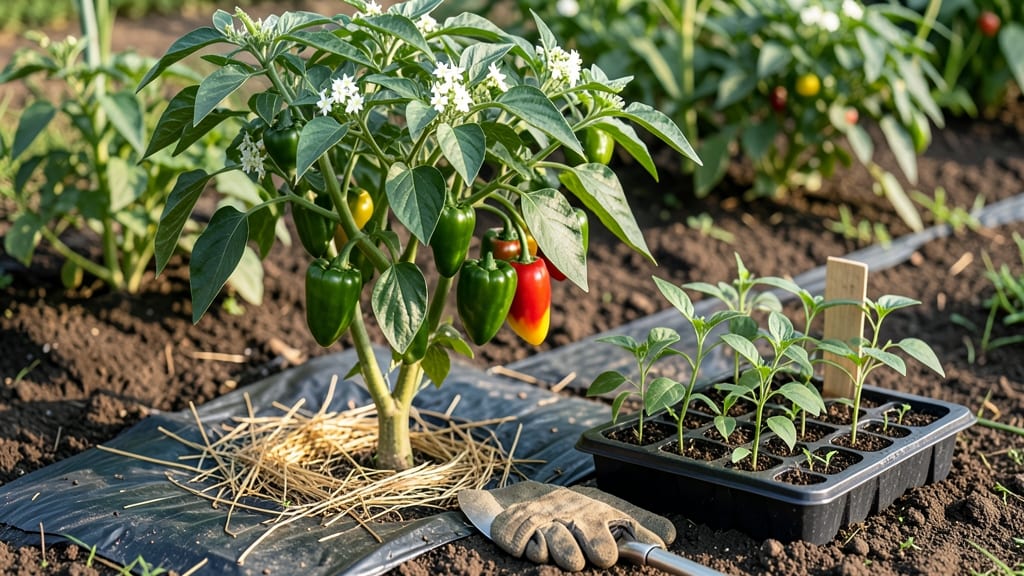
Planting bell peppers 🌶️ in Indiana isn’t just about grabbing seeds and sticking them in the ground—it’s about timing the perfect window to beat frost, avoid stunted growth, and guarantee a harvest before fall’s chill sets in.
Here’s the hard truth: if you plant too early, your seedlings will wilt in cold soil, and if you wait too late, you’ll miss the July–October harvest window.
For Zone 6B, the ideal planting window is April 15–May 15, but soil temperature is the real game-changer—wait until it hits at least 60°F to ensure strong roots.
Whether you’re starting seeds indoors or transplanting seedlings, I’ll break down the exact steps to time your planting for maximum yield, including how to adjust for Indiana’s unpredictable spring weather and common pests that love young peppers.
Let’s dive into the step-by-step schedule that’ll have you enjoying homegrown peppers from your garden by summer—no guesswork, just results.
Indiana bell pepper planting dates by last frost & soil temperature
Bell peppers are heat-loving plants that won’t tolerate cold soil or frost, so Indiana gardeners must time planting carefully. The average last frost date in most of the state is around April 15, but soil temperature is the real game-changer.
Peppers need soil temps of 60°F or higher to thrive—cold soil stunts growth and invites disease. In Zone 6B, this usually means waiting until mid-to-late May for direct sowing or transplanting after early April for early varieties.
I’ve planted peppers for years in Indiana, and I’ve learned that rushing leads to failure. One year, I transplanted seedlings too early in April, and my plants wilted within days. The lesson? Always check soil temperature with a thermometer or wait for consistent daytime highs of 70°F+ before planting.
This typically aligns with late May in most of the state, but northern Indiana may need to wait until early June.
Your planting method—transplanting seedlings vs. direct sowing—also affects timing. Seedlings can handle slightly cooler soil but still need warmth to establish roots. Direct-sown seeds, however, require warmer soil (70°F+) to germinate, making them riskier in Indiana’s unpredictable spring.
That’s why I recommend starting seeds indoors 8–10 weeks before the last frost (around February 15) and transplanting after soil warms.
Indiana’s first frost date is typically October 31, giving you about 165 frost-free days to grow peppers. To maximize your harvest, aim to plant by mid-May so peppers mature before cold snaps.
Early varieties (like ‘Early California Wonder’) can be planted as early as April 20 under row covers, but most gardeners wait until May 1–15 for safety.
Here’s the golden rule I follow: Wait until soil is 60°F+ and nighttime temps stay above 50°F. Use a soil thermometer (they’re cheap and lifesavers) to confirm.
If you’re in doubt, err on the side of planting later—peppers are forgiving if given enough warmth, but they’ll never recover from a late frost.
🌱 Bell Pepper Planting Methods Compared
| Method | Indiana Planting Window | Soil Temp Requirement | Pros | Cons |
|---|---|---|---|---|
| Transplant Seedlings | April 20–May 15 | 60°F+ | Faster maturity, longer season | Requires indoor start |
| Direct Sow Seeds | May 15–June 1 | 70°F+ | No transplant shock, cheaper | Slower germination, risk of frost |
| Row Cover Protection | April 1–May 10 | 50°F+ | Extends season, early harvest | Requires covers, extra work |
💡 Pro Tip: For earliest peppers, use row covers over transplanted seedlings in April. Remove covers when peppers flower to prevent heat stress.
Indiana’s microclimates can shift planting dates by weeks. If you’re in northern Indiana (Zone 5b), push back your timeline by 2–3 weeks to avoid late frosts. Southern Indiana (Zone 7a) can plant as early as April 1 in protected beds.
Always monitor local weather forecasts and use frost-free date calculators like the Old Farmer’s Almanac for your specific county.
One mistake I see often is planting peppers too close to the last frost. Even if the air warms up, cold nights can kill young plants. I’ve had success using black plastic mulch to warm soil faster and straw bales to create microclimates for early transplants.
These tricks add 2–3 weeks to your effective growing season—critical for Indiana’s short summers.
For successful bell pepper planting in Indiana, mark your calendar for these key dates:
- Start seeds indoors: February 15
- Transplant seedlings: May 1–15
- Direct sow seeds: May 15–June 1
- Harvest window: July–October
Remember, bell peppers are finicky but rewarding. With the right timing, you’ll enjoy a bountiful harvest of sweet, crisp peppers—perfect for stuffing, grilling, or fresh snacking. And if you nail the
Indiana bell pepper planting dates by last frost & soil temperature
Indiana’s USDA Zone 6B climate demands precision when planting bell peppers. The average last frost date is around April 15, but soil temperature—not air temperature—is the true deciding factor. Peppers need soil at 60°F or warmer to thrive, so don’t rush!
Planting too early risks stunted growth or seedling death. My rule of thumb: Wait until mid-to-late May for direct sowing or early May for transplants.
For Indiana gardeners, the optimal transplant window spans from April 20 to May 10, while direct sowing should wait until May 15 to June 1. This timing ensures your peppers mature before the first frost on October 31.
Use a soil thermometer to confirm readiness—60°F is non-negotiable for pepper roots to establish properly.
| Method | Indiana Window | Soil Temp Requirement | Pros |
|---|---|---|---|
| Transplanting | April 20–May 10 | 60°F+ | Faster maturity, stronger seedlings |
| Direct Sowing | May 15–June 1 | 65°F+ | Avoids transplant shock |
Adjust your schedule if you’re in northern Indiana (closer to Zone 5) or southern Indiana (Zone 7).
Northern areas may need to wait until May 10 for transplants, while southern regions can start as early as April 1. Microclimates near bodies of water or urban heat islands can also shift your timeline by 1–2 weeks.
Always monitor local forecasts for unexpected late frosts—they’re common in Indiana’s variable spring.
If you’re starting seeds indoors, begin 8–10 weeks before transplanting. For Indiana, that means February 15–March 1. Use grow lights to supplement natural light—pepper seedlings need 12–14 hours of light daily. Avoid overcrowding trays, as root-bound seedlings struggle to recover once planted.
Pro tip: Use black plastic mulch to warm soil faster and suppress weeds. Lay it down 1–2 weeks before planting to give it time to heat up. This trick adds 2–4°F to soil temperature, helping peppers establish quicker in Indiana’s cool springs.
Pair it with row covers for early transplants to protect against late frosts or chilly nights.
Missed the ideal window? Don’t panic! Try container gardening—pots warm up faster and can be moved to sunny spots. Just ensure containers have drainage holes and use lightweight potting mix to prevent waterlogging. With the right timing and care, you’ll still harvest plump, flavorful peppers by summer’s end. 🌱