
Plants
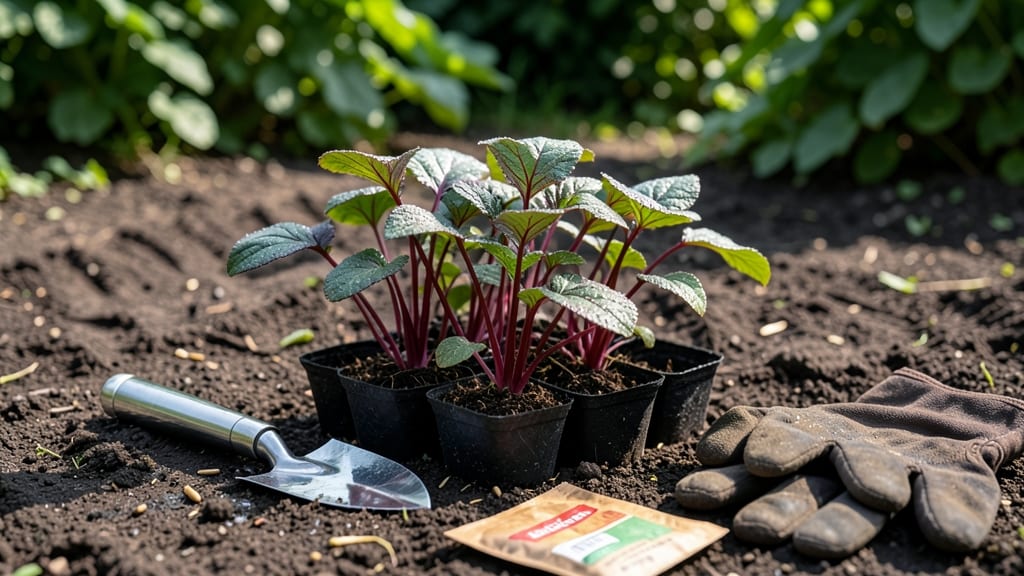
Planting beets in Zone 9 at the wrong time means watching them bolt into bitter, tough stalks before you even get a harvest. The key to sweet, tender 🟣 beets all season lies in timing—especially when you can avoid the brutal summer heat and take advantage of the mild winters.
Most gardeners in Zone 9 (like Phoenix or the Southern California desert) assume spring is the only planting window, but that’s actually when beets struggle. The real secret?
Planting in late summer or early spring when temperatures stay cooler—think August through March—to give your beets the perfect growing conditions they crave.
I’ve learned the hard way that skipping this timing leads to disappointment, but once you master it, you’ll enjoy fresh beets from October through May. Let’s break down the exact planting schedule that works in Zone 9, so you can skip the guesswork and start harvesting sooner.
Whether you’re a first-time gardener or a seasoned grower, these insights will help you grow beets that are sweeter, faster, and more reliable—no matter how hot or dry your summer gets. Ready to transform your garden?
Optimal spring planting dates for beets in Zone 9
In Zone 9, where winters are mild and summers scorching, timing your beet plantings is everything. Beets thrive in cool weather but bolt (go to seed) when temperatures exceed 75°F.
The key is planting when soil temps stay between 50-70°F—just warm enough for germination but not so hot they bolt prematurely.
Your best window for spring beets in Zone 9 is late February to early April. This gives seedlings time to establish before summer heat arrives. Start with succession planting every 2-3 weeks to stretch your harvest from May through July.
Here’s the golden rule: Avoid planting beets when daytime highs regularly hit 80°F+. In Phoenix or coastal Southern California, that means no direct sowing after mid-April unless you’re using shade cloth or heat-tolerant varieties like 'Detroit Dark Red'.
🌱 Beet Planting Timeline for Zone 9
| Stage | Action | Soil Temp (°F) | Notes |
|---|---|---|---|
| Late Feb | Direct sow seeds | 50-60°F | Use row covers for frost protection |
| March-April | Succession plant every 2 weeks | 55-70°F | Space seeds 1" apart, thin to 3" |
| May | Harvest first batch | 70-80°F | Use shade cloth if temps rise above 80°F |
| June-July | Final harvest | 80-90°F | Store roots in cool, dark place |
To maximize your beet harvest, test soil temperatures with a soil thermometer before planting. Aim for 55-65°F at a 2-inch depth.
If your soil heats up faster than expected (common in desert Zone 9 areas), opt for early-maturing varieties like 'Babybeat' or 'Touchstone Gold', which mature in just 45-50 days.
Another pro tip: Plant beets in raised beds filled with compost-rich soil. The extra organic matter helps retain moisture and moderates soil temperatures, giving your beets a fighting chance against Zone 9’s intense summer heat. Water deeply twice weekly once seedlings emerge to encourage strong root development.
If you’re in a coastal Zone 9 area (like San Diego), you can push your planting window slightly later—up to mid-AprilPhoenix or Palm Springs should stick to February-March plantings to avoid bolting.
Remember: Beets planted in late spring (after April 15) will struggle unless you provide afternoon shade. A simple 30% shade cloth can extend your growing season by 2-3 weeks, making all the difference in Zone 9’s brutal summers.
For continuous harvests, stagger plantings every 10-14 days from February through April. This ensures you always have tender young beets ready to pull while older plants mature. With this strategy, you’ll enjoy fresh beets from May through July—just in time for summer salads!
Pro tip: Use mulch (straw or grass clippings) to keep soil cool and retain moisture. This is especially critical in Zone 9’s dry climate, where soil can dry out quickly even with regular watering.
Fall planting strategies to prevent beet bolting in Zone 9
While spring planting gets most of the attention, fall planting is actually the secret weapon for Zone 9 beet growers. The mild winters and long growing season mean you can extend your harvest well into December or even January—but only if you time it right.
The key is planting 6-8 weeks before your first frost (though Zone 9 rarely gets frost, aim for late August to early October instead).
Beets planted in fall benefit from cooler soil temperatures and longer daylight hours, which slows bolting. However, if you plant too late (after mid-October), your beets may struggle with short winter days and heat stress from lingering summer temperatures.
The sweet spot? Late August to early September for most of Zone 9.
🌱 5 Fall Planting Tips for Zone 9
- ✅ Plant in late August for harvests in October-November.
- ✅ Use heat-tolerant varieties like 'Boltardy' or 'Chioggia'.
- ✅ Succession plant every 2 weeks for staggered harvests.
- ✅ Mulch heavily (4-6 inches) to protect roots from winter chill.
- ✅ Harvest before December to avoid woody texture from cold snaps.
For winter harvests, you can push your planting window even later—up to mid-October—but only if you use row covers or low tunnels to protect seedlings from unexpected cold snaps. In Zone 9, temperatures rarely drop below 40°F, but a sudden dip can still stress young beets.
If you’re growing in coastal areas (like San Diego), you can extend planting into early November thanks to milder ocean-influenced climates.
Another pro move: Direct-sow seeds rather than starting indoors. Beets hate transplanting, and fall seedlings struggle to establish if moved after 4 weeks. Instead, sow seeds ½ inch deep in loose, well-draining soil and thin seedlings to 3-4 inches apart once they’re 2 inches tall.
This gives them enough space to develop thick, sweet roots before winter sets in.
If you’re aiming for a winter harvest, focus on smaller varieties like 'Babybeat' or 'Detroit Dark Red', which mature faster and tolerate cooler temperatures better. Larger varieties (like 'Golden Beet') take longer to harvest and may develop woody textures if left in the ground too long.
Always check your harvest signs: roots should be 1-3 inches wide with smooth, glossy skins.
One common mistake in Zone 9? Overwatering in fall. While beets need consistent moisture, soggy soil in cool weather can lead to rot.
Water deeply every 4-5 days (or when the top 1 inch of soil feels dry) and always water in the morning to prevent fungal diseases. A drip irrigation system works best—it delivers water directly to the roots without wetting the leaves.
For continuous fall harvests, try this strategy: Plant your first batch in late August, then follow up with 2-week intervals through mid-September. This ensures you always have young, tender beets ready to pull while older plants mature.
By December, you’ll have exhausted your fall crop—but don’t worry! You can start planning your spring plantings right away for another round of sweet harvests.
Remember: Fall beets in Zone 9 are all about balance. Too early, and they bolt; too late, and they struggle. But with the right timing and care, you’ll enjoy homegrown beets from October through December—just in time for holiday meals! 🌱