
Plants
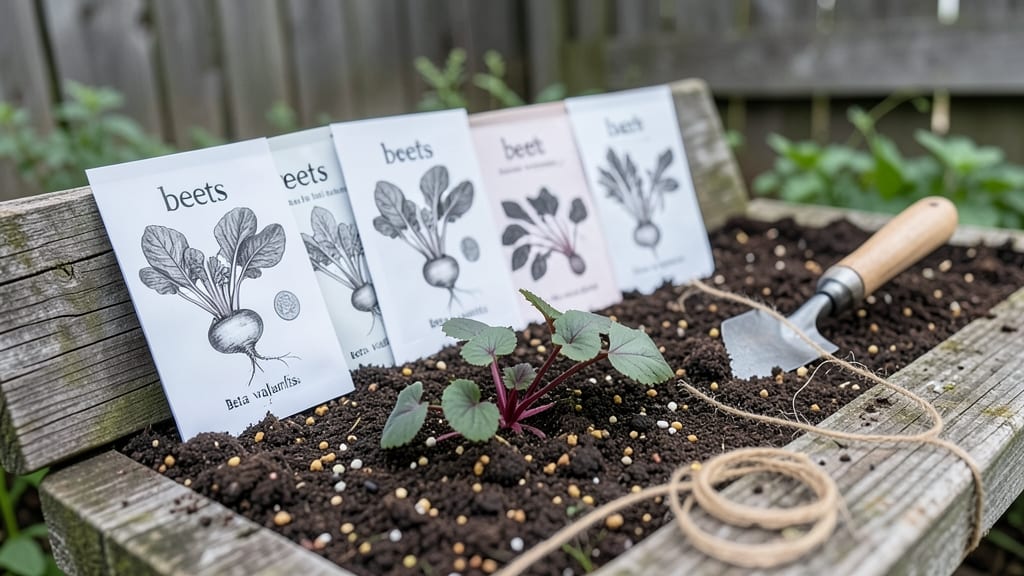
Planting beets at the wrong time in Zone 7a can turn your garden into a bitter disappointment—no matter how much you love that 🍠 harvest.
The secret to sweet, tender roots lies in understanding exactly when to plant, and missing the window means bolting greens instead of the beets you crave.
Here’s the truth: Zone 7a’s mild winters and hot summers demand precision. Plant too early, and you’ll face bolting from heat stress. Too late, and your harvest shrinks before summer’s peak.
I’ve grown beets here for years, and I’ll show you the exact windows that work—plus how to stretch your season for zero-bolt success.
Spring planting kicks off in March as soon as soil warms, but timing is critical to avoid summer’s heat. Fall offers a second chance, with July-August sowings yielding harvests just before frost. Let’s break down the best months, soil prep, and tricks to outsmart Zone 7a’s tricky climate.
Whether you’re a beginner or a seasoned gardener, these insights will help you grow beets that are sweet, plentiful, and ready to harvest at their peak. No more wasted seeds—just perfect timing for your table.
Best spring planting windows for beets in Zone 7a
In Zone 7a, timing your beet planting right in spring means the difference between sweet, tender roots and bitter, bolted greens. The key is planting when soil temperatures hover between 45-75°F—too cold delays germination, while heat triggers bolting.
For my garden, I start seeds indoors 4-6 weeks before last frost (around mid-February) to get a jumpstart.
Outdoor planting should begin 2-3 weeks before your last expected frost date (typically mid-March in Zone 7a). This gives seedlings time to establish before summer heat arrives. I always test soil temps with a thermometer—50°F+ is ideal for direct sowing.
Planting too early risks frost damage, while waiting too long risks bolting before harvest.
Here’s my Zone 7a spring beet planting timeline:
For succession planting, I make 2-3 sowings every 2 weeks after the first planting. This ensures a continuous harvest before summer heat forces bolting.
For example, if I plant my first batch on March 15, I’ll follow with batches on April 1 and April 15 to stretch my harvest into early June.
One critical mistake I see beginners make is planting too densely. Beets need 2-3 inches of space to avoid competition. I use a seed tape or mark rows with a stick and string to maintain spacing. Overcrowding leads to stunted roots and bitter greens—neither of which you want!
To extend your spring harvest, I recommend using shade cloth (30-50%) during peak afternoon heat. This buys you 2-3 extra weeks before bolting kicks in. I also mulch heavily with straw or grass clippings to keep soil cool and moist.
These tricks help me push harvests into late June when done right.
Pro tip: If your beet greens start looking stringy or bitter, it’s time to harvest the roots immediately. The greens are edible but lose quality as the plant matures. I always prioritize pulling roots when they’re 1-3 inches wide—this guarantees sweetness and prevents woody texture.
Remember, Zone 7a’s summer heat (often hitting 90°F+ by July) is beet’s enemy. By mastering these spring windows, you’ll avoid the common pitfall of bolting and enjoy a flavorful harvest before the heat sets in.
Fall planting strategy to prevent bolting in Zone 7a
Fall is your secret weapon for growing sweet, tender beets in Zone 7a—when spring planting risks bolting from summer heat. The key? Planting in late July to early August gives beets time to mature before the first frost while avoiding extreme temperatures that trigger flowering.
Beets planted in fall develop richer flavors and larger roots because cooler nights slow their growth just enough to prevent bitterness. Plus, you’ll avoid the woody texture that plagues summer-grown beets. Here’s how to time it perfectly:
Sow seeds by July 15 for a harvest before frost. Use shade cloth if temperatures exceed 85°F to prevent bolting.
For a second harvest, plant by August 1. Choose heat-tolerant varieties (like 'Detroit Dark Red') to extend your window.
Sow new seeds every 2 weeks in August to stagger harvests. This ensures a steady supply of young, sweet beets until frost.
Aim to harvest by mid-October in Zone 7a. Beets can survive light frosts (down to 25°F), but roots become woody if left too long.
Amend soil with compost before planting to improve drainage. Fall beets need consistent moisture but hate soggy soil.
Pro tip: Mulch with straw or leaves after planting to retain moisture and regulate soil temperature. This keeps roots cool and prevents bolting during hot afternoons.
For maximum sweetness, harvest beets when roots are 1–3 inches wide and leaves are 4–6 inches tall. Use a garden fork to loosen soil before pulling to avoid damaging roots.
🍠