
Plants
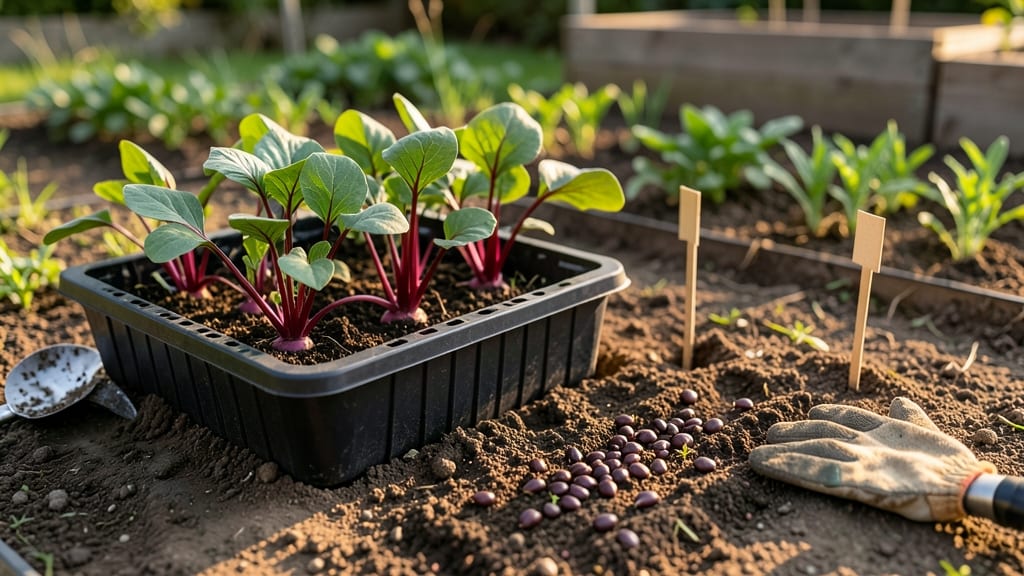
Planting beets in Minnesota means catching two short windows where the weather plays nice—because these fast-growing roots bolt faster than a snowstorm in April. Too early, and frost will nip your seedlings; too late, and summer heat turns them bitter.
The key? Time it right for sweet, tender harvests that outpace the Minnesota growing season.
Most gardeners here swear by two planting rounds: early spring (as soon as soil warms to 50°F) and late summer (mid-July) for a fall feast. But with frost dates shifting yearly, knowing exactly when to drop those seeds—whether you're in Zone 4a or 5b—makes all the difference.
I’ll break down the precise schedule, including how to stretch your harvest through succession planting and avoid the 3 biggest mistakes that ruin beet crops.
Why does this matter? Because beets are one of the easiest vegetables to grow—50 days from seed to table—but only if you respect their cool-weather roots.
Skip the guesswork: I’ll share the exact dates, soil prep tricks, and even how to protect late-season plants from early frosts. Let’s get those 🍠 growing!
Ready to turn your garden into a beet bonanza? You’ll learn how to time your plantings for maximum yield, troubleshoot common issues, and keep your harvest going from July through October—no matter what Minnesota throws your way. Let’s dive in.
Minnesota beet planting calendar: best dates by growing zone
Minnesota’s USDA zones 4a-5b mean beets can thrive in both spring and fall, but timing is critical. The last spring frost typically hits mid-May, while the first fall frost arrives around mid-October.
For the best harvest, aim to plant beets 4-6 weeks before the last frost in spring and 8-10 weeks before the first frost in fall.
Beets love cool soil temps (50-70°F), so don’t rush planting in early spring. Wait until the soil warms to at least 50°F—usually late April to early May in most of Minnesota.
In northern zones (4a-4b), start seeds indoors 4-6 weeks before the last frost for an early jumpstart.
For fall harvests, plant seeds July 15-August 15 in southern Minnesota (zone 5a-5b) and July 1-August 1 in northern areas (zone 4a-4b). This gives beets time to mature before fall frosts arrive. Use cold-hardy varieties like Detroit Dark Red or Golden for best results.
Here’s a quick reference for Minnesota’s beet planting zones:
| Zone | Spring Planting | Fall Planting | Soil Temp |
|---|---|---|---|
| 4a-4b (North) | Late April–Early May (indoors: March 15-April 1) | July 1-August 1 | 50-60°F |
| 5a-5b (South) | Early April–Mid-May | July 15-August 15 | 55-65°F |
If you’re planting directly outdoors, use early varieties like Babybeat or Early Wonder for spring harvests. These mature in 45-50 days, giving you time to enjoy beets before summer heat sets in.
For fall crops, choose longer-season varieties like Chioggia or Bull’s Blood, which can handle cooler temps.
Always test soil moisture before planting—beets need consistent moisture to grow sweet, tender roots. If your soil feels dry, water deeply 1-2 days before sowing to encourage germination. Mulch with straw or grass clippings after planting to retain moisture and suppress weeds.
For container gardening, plant beets in deep pots (12+ inches) filled with well-draining soil. Containers warm up faster than garden beds, so start 2 weeks earlier than outdoor planting dates. Place pots in a sunny spot and keep soil evenly moist.
Pro tip: Use row covers in early spring or late fall to extend the growing season by 2-3 weeks. This protects seedlings from late frosts and helps beets thrive in cooler temps. Just remove covers when soil temps rise above 60°F to prevent overheating.
Finally, succession plant every 2 weeks in spring and fall for a continuous harvest. This ensures you always have fresh beets while avoiding a glut of mature roots at once. With the right timing, you can enjoy homegrown beets from June through October!
How to extend beet harvests: succession planting and fall strategies
Beets are one of the most rewarding vegetables to grow in Minnesota because they produce continuous harvests when planted strategically. Unlike many crops, beets tolerate cool weather and can even overwinter in mild winters with protection.
The key is succession planting—staggering your sowing dates—to ensure you have fresh beets from early summer through fall.
For Minnesota’s short growing season, focus on two main planting windows: early spring (as soon as soil is workable) and late summer (6-8 weeks before your first frost). This two-pronged approach gives you harvests in both summer and fall, maximizing your garden’s productivity.
For example, if your first frost hits mid-October, aim to plant your fall crop by late July or early August.
Here’s how to make it work in Minnesota’s climate:
Sow seeds 4-6 weeks before your last frost date (typically late March to early April). Use cold-hardy varieties like 'Detroit Dark Red' or 'Golden', which thrive in cool soil.
After your initial planting, sow new seeds every 2-3 weeks until mid-June. This ensures a steady supply of young beets throughout summer.
Sow your final crop 6-8 weeks before your first frost (usually late July to early August). Choose slow-bolting varieties like 'Chioggia' or 'Bull’s Blood' for fall success.
Use floating row covers or low tunnels to protect fall-planted beets from early frosts. This can push your harvest 2-4 weeks later into October.
Beets are semi-hardy but won’t survive deep freezes. Pull roots before hard frosts (temperatures below 20°F) or store them in a cool, dark place for winter use.
Pro tip: If you’re short on space, prioritize your fall planting first—it often yields the largest roots because beets grow slower in cooler weather. For spring, focus on smaller, faster-maturing varieties like 'Babybeat' for quick harvests.
With this approach, you’ll enjoy fresh beets from June through October, even in Minnesota’s unpredictable climate. The secret? Plan ahead, stagger your plantings, and protect your fall crop—your taste buds will thank you! 🌱