
Plants
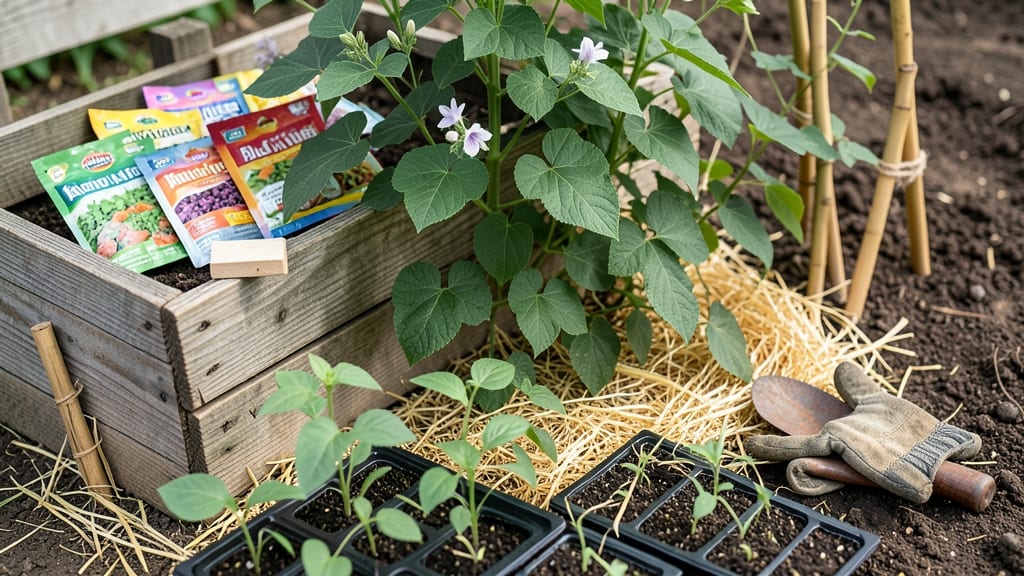
Planting beans in Seattle isn’t just about grabbing seeds and sticking them in the dirt—timing is everything, and getting it wrong means watching your hard work fizzle before summer even kicks in.
With USDA Zone 8a weather that swings from chilly mornings to sudden heatwaves, knowing when to plant 🌱 beans can mean the difference between a bountiful harvest and a sad, wilted disappointment.
Most gardeners in Seattle swear by late April to early June as the sweet spot, but here’s the catch: your microclimate matters. Urban areas might stay cooler longer, while rural spots can warm up faster—so don’t blindly follow a calendar.
The key is waiting for soil temps to hit at least 60°F and ensuring those pesky late frosts (yes, they happen even in summer) won’t sneak in and ruin your progress.
What if you’re dreaming of a fall harvest? You can plant again in late July or early August, but you’ll need to pick fast-growing varieties and protect them from Seattle’s early November frosts.
I’ll break down the best strategies for both spring and fall planting, so you can maximize your garden’s potential without guessing.
Ready to grow beans that thrive? Let’s dive into the exact planting schedule, soil prep tricks, and varieties that actually perform in Seattle’s short but sweet growing season—so you can enjoy fresh, homegrown beans from July straight through September.
Best planting times for beans in Seattle’s climate zones
Seattle’s USDA Zone 8a climate means you can grow beans successfully in both spring and fall, but timing is everything. The last average frost date in Seattle is around March 15, while the first frost typically arrives by November 15.
This gives you a 165-day frost-free window, perfect for two planting cycles if you plan carefully.
For spring planting, aim to sow seeds after April 20 when soil temperatures consistently reach 60°F or warmer.
This ensures your beans won’t be shocked by late frosts, which are common in Seattle’s unpredictable weather. Fall planting should happen no later than mid-August to allow beans to mature before cooler weather sets in.
| Planting Window | Soil Temp Requirement | Days to Harvest | Best Varieties |
|---|---|---|---|
| Late April - Early June | 60°F+ | 50-75 days | Blue Lake, Provider, Tendercrop |
| Mid-August - Early September | 55°F+ | 45-60 days | Contender, Kentucky Wonder, Scarlet Runner |
🌱 Note: Pole beans need more time to mature, so plant them 2-3 weeks earlier than bush varieties.
Seattle’s microclimates play a huge role in success. Urban areas like Ballard or Fremont often experience warmer temperatures due to the "urban heat island" effect, allowing you to plant 1-2 weeks earlier than suburban neighborhoods.
Meanwhile, rural areas like Snohomish County may need to wait until late May to avoid frost risks.
Before planting, test your soil temperature with a simple thermometer—beans won’t germinate well below 55°F. If your soil is still cool, consider using black plastic mulch or straw bales to warm it up faster. This is especially useful in cooler, rainy springs that Seattle is famous for.
For container gardening, which is popular in Seattle’s small spaces, use fast-warming pots like black plastic or fabric grow bags. These heat up quicker than regular containers, giving you a 10-14 day head start on ground planting.
Just ensure your pots have drainage holes to prevent root rot from Seattle’s frequent rains.
One of my biggest mistakes was planting beans too early in March—they sprouted but were killed by a late frost. Now, I wait until after Mother’s Day (mid-May) as a safe guideline for most of Seattle.
If you’re in a warmer microclimate, you might push it to late April, but always check your local frost date records.
Seattle’s short growing season means choosing the right bean varieties is critical. Bush beans like Blue Lake mature faster (50-60 days) and are ideal for fall planting, while pole beans like Scarlet Runner take longer (70-90 days) but produce more over time.
For maximum yield, I recommend planting both types in succession—start with bush beans in spring, then add pole beans for a prolonged harvest.
Don’t forget to rotate your planting locations each year to prevent soil-borne diseases. Beans are heavy feeders, so amend your soil with compost or aged manure before planting. In Seattle’s acidic soil, aim for a pH of 6.0-7.0 by adding lime if needed.
A simple soil test kit from your local garden center will give you precise recommendations.
With the right timing and preparation, you can enjoy fresh, homegrown beans from July through September—and even extend your harvest into early October with fall planting. The key is patience and flexibility to adapt to Seattle’s ever-changing weather.
Spring vs. fall planting: which yields more beans?
Seattle’s cool, rainy summers and mild falls create two prime windows for growing beans—spring and fall. But which season delivers the biggest harvests? The answer depends on your variety choice, microclimate, and how you manage pest pressures.
Spring-planted beans often produce earlier harvests (late July to August), but fall plantings can stretch yields into October if timed right. The trade-off? Fall beans face shorter daylight and cooler soils, while spring beans battle early-season pests like bean beetles.
Here’s how the two seasons stack up in Seattle’s climate:
| Factor | Spring Planting | Fall Planting |
|---|---|---|
| Planting Window | Late April–early June (after last frost) | Mid-August–early September |
| Harvest Window | Late July–September | September–October (earlier if frost hits) |
| Growth Days to Harvest | 50–75 days (longer for pole beans) | 45–60 days (shorter season = faster-maturing varieties) |
| Pest Risks | Bean beetles, aphids (peak in June) | Slower pest activity (but watch for slugs) |
| Best Varieties | Blue Lake, Kentucky Wonder (bush), Provider (pole) | Contender, Tendercrop (bush), Blue Lake (pole) |
| Yield Potential | High (longer growing season) | Moderate (shorter season = smaller plants) |
| Soil Prep Tip | Warm soil with black plastic 2 weeks before planting | Use row covers to extend season by 3–4 weeks |
For maximum yields, I recommend trying both seasons—spring for volume and fall for late-season freshness. Pole beans (like Provider) thrive in fall’s cooler temps, while bush beans (like Blue Lake) excel in spring’s warmth.
Pro tip: If you plant in fall, choose short-season varieties (50–60 days to harvest) to beat the first frost (usually mid-November). For spring, prioritize disease-resistant seeds to combat Seattle’s damp conditions.
🌱