
Plants
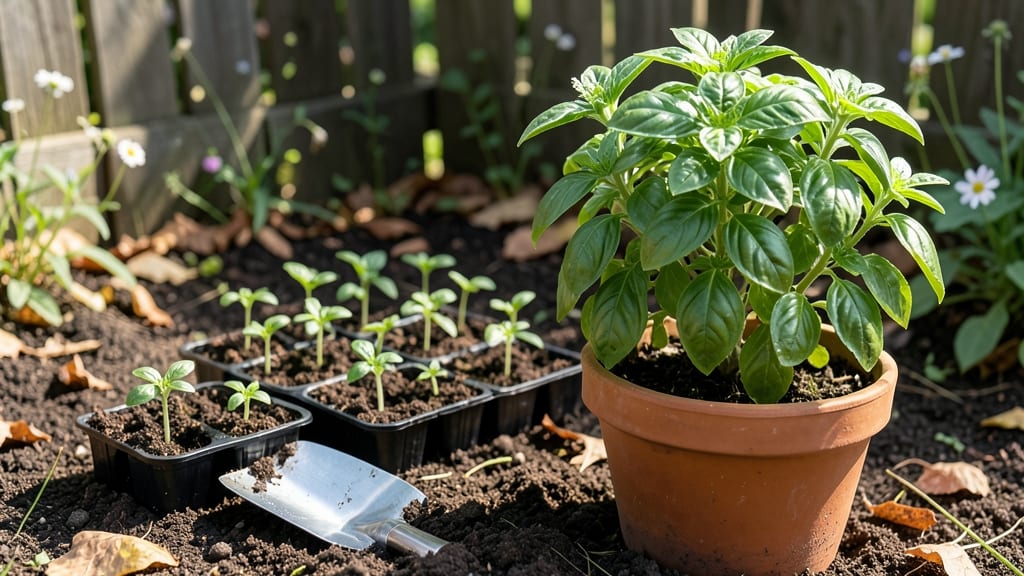
Planting basil in Seattle isn't just about waiting for spring—it's about timing it perfectly to avoid frost while maximizing your 6-hour sun windows. With USDA Zone 8a conditions, your window to plant is narrow: too early and frost zaps your seedlings; too late and you miss peak flavor.
But here's the good news: with the right strategy, you can grow sweet, fragrant basil from June through September.
Most Seattle gardeners start seeds indoors by mid-April, giving plants a head start before transplanting after the last frost date (April 15). This approach lets you beat the race against cooler Pacific Northwest weather.
The key is understanding your microclimate—whether you're in the U-District's urban heat island or West Seattle's cooler coastal zone—because these differences can shift your planting window by 2-3 weeks.
What you'll discover is how to extend your basil season using simple hacks like cold frames or container gardening. These methods let you push harvests later into fall, even when temperatures dip.
Plus, I'll share companion planting tips that work perfectly in Seattle's climate to keep your basil thriving all season long.
Ready to grow basil that tastes like summer? Let's dive into the exact timing, tools, and tricks that will transform your Seattle garden into a basil powerhouse—no more wasted seeds or bolted plants. Your kitchen (and your pesto) will thank you.
Seattle’s ideal basil planting timeline: frost dates & heat zones
Seattle’s USDA Zone 8a-9a climate creates a 165-day frost-free window—perfect for growing basil, but timing is everything. The average last frost date is around April 15, but microclimates across the city can shift this by 2-3 weeks.
For example, urban heat islands in Downtown Seattle warm up faster than West Seattle or Eastside suburbs, where frost lingers longer.
Basil thrives in warm soil temperatures (50°F+) and can’t tolerate frost, so wait until mid-April to early June to plant outdoors. If you start seeds indoors, begin 6-8 weeks before your last frost (around February 28-March 15) for a head start.
This gives seedlings time to mature before transplanting into your garden.
Here’s how Seattle’s neighborhoods compare for basil planting:
| Neighborhood | Last Frost Date | Ideal Planting Window | Microclimate Tip |
|---|---|---|---|
| Downtown/U-District | April 1-15 | April 15-May 1 | Urban heat warms soil faster; monitor for early planting. |
| West Seattle | April 15-30 | May 1-15 | Cooler coastal breezes delay planting; use row covers if early frost risks. |
| Eastside (Bellevue, Kirkland) | April 10-20 | April 20-May 10 | Drier microclimate; plant slightly earlier than West Seattle. |
| Ballard/Fremont | April 15-25 | May 1-10 | Wind exposure; choose sheltered spots or use windbreaks. |
For a custom frost-free window, use the National Weather Service’s Seattle climate data or check local gardeners’ reports from Washington State University Extension. If you’re unsure, err on the side of caution—wait until May 1 for outdoor planting to avoid surprise frosts.
Container gardening on patios or balconies can also extend your season by 1-2 weeks since urban surfaces retain heat.
Basil grows best with 6+ hours of sunlight daily, so prioritize south-facing garden beds or containers near sunny walls.
In Seattle’s long summer days (June-August), basil can handle up to 12 hours of light, but avoid midday scorching by providing afternoon shade if temperatures exceed 90°F.
Succession planting is key for a continuous harvest. After your first planting in May, sow a second batch in late June to enjoy basil through September. Choose fast-maturing varieties like Genovese (45-50 days) or Thai basil (60 days) for shorter seasons.
Avoid slow varieties like Sweet basil (60+ days) if you’re pushing the limits of Seattle’s growing window.
Pro tip: Use a soil thermometer to confirm 50°F+ soil temps before planting. Cold soil slows germination and stunts growth. If your soil is still chilly in early May, opt for container growing where soil warms up faster.
Remember, Seattle’s first frost typically arrives October 15, but basil grown in containers can often survive until mid-October if moved to a protected location like a garage or covered porch. Bring potted basil indoors before temperatures drop below 40°F to extend your harvest.
🌱
Microclimate hacks for extending Seattle basil seasons
Seattle’s cool, wet springs and variable microclimates can challenge basil growers, but with the right strategies, you can push your harvest window by 4-6 weeks.
Urban heat islands near downtown or along the waterfront create pockets where basil thrives 2-3 weeks earlier than in cooler neighborhoods like Ballard or Shoreline.
For extended seasons, start with fast-maturing varieties like Genovese basil (50-60 days) or Thai basil (45-55 days). These handle Seattle’s cool nights better than traditional sweet basil.
Pair them with protective measures like row covers or cold frames to shield tender plants from late spring frosts or early fall chills.
Container gardening is another game-changer for Seattle gardeners. Dark-colored pots absorb heat, creating a 5-10°F warmer microclimate for roots. Place containers on south-facing patios or near sunny walls to maximize warmth. Just ensure pots have drainage holes—Seattle’s rainy season will test your setup!
If you’re planting in late summer for a fall harvest, opt for succession planting every 2-3 weeks until mid-July. Use black plastic mulch to warm soil and straw mulch to retain moisture. For urban balconies, try hanging baskets with built-in reservoirs—Seattle’s intermittent rain makes consistent watering tricky.
Protect young plants with floating row covers until they’re 4-6 inches tall. These create a 5-10°F warmer environment while allowing light and water through. Remove covers during peak sunlight hours to prevent overheating.
Pair this with drip irrigation set to early morning to avoid fungal issues from Seattle’s humid evenings.
For late-season extensions, move potted basil indoors before first frost (mid-October). Place near a south-facing window with grow lights for 12-14 hours/day. Reduce watering to every 3-4 days and fertilize lightly with fish emulsion to sustain growth.
With these hacks, you can enjoy homegrown basil year-round—even in Seattle’s chilly climate! 🌱