
Plants
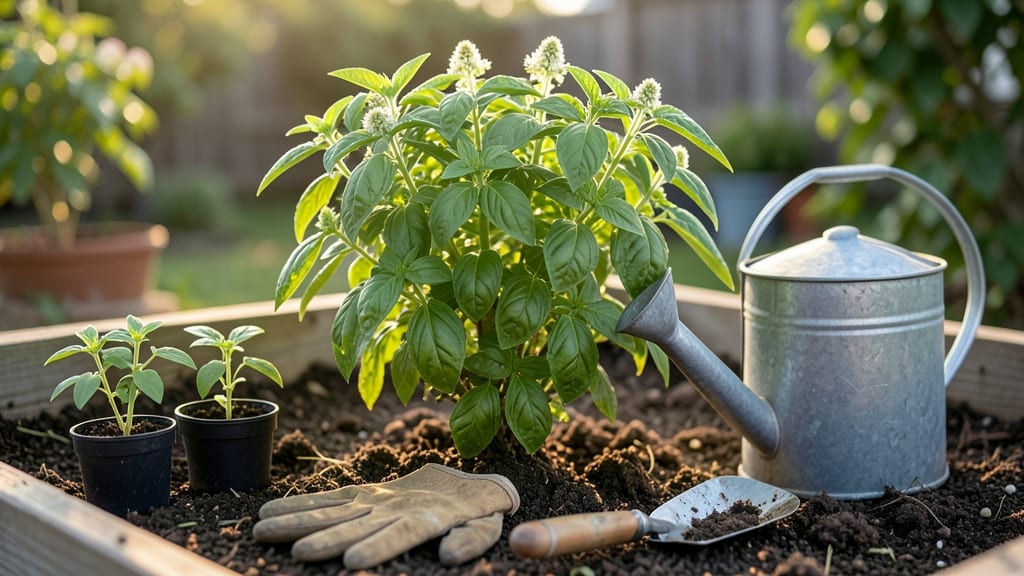
Timing your basil planting in North Carolina can make the difference between a thriving 🌿 herb garden and a bitter disappointment. The key to sweet, aromatic basil lies in understanding your hardiness zone—whether you're in the cooler Piedmont or the milder coastal regions.
Most gardeners in zones 7a-8b should wait until mid-April to early June, after the last frost, to plant basil outdoors. But if you're eager to start earlier, you can begin seeds indoors in late March to get a head start on the growing season.
For those who love summer basil, late August is another great window to plant—just make sure to choose heat-tolerant varieties that won’t bolt in the sweltering NC summers. Whether you're planting directly in the ground or in containers, getting the timing right ensures a longer harvest from June through October.
Let’s break down the best planting strategies for your specific NC zone, so you can enjoy fresh basil all season long without the guesswork.
North Carolina basil planting timeline by hardiness zone (7a-8b)
North Carolina spans USDA hardiness zones 7a-8b, meaning your last frost date varies dramatically from the mountains to the coast.
In the Piedmont region (7a-7b), expect your final frost around mid-to-late March, while coastal areas like Wilmington (zone 8a) often see frost-free conditions by early March. The mountains (7a) hold onto cold longer, with frost lingering until mid-April.
Basil is a warm-season herb that cannot tolerate frost. Planting too early leads to stunted growth or bitter leaves, while waiting too late risks bolting (premature flowering) before harvest.
The ideal transplanting window for most NC gardeners is mid-April to early June, after soil temperatures consistently reach 50°F.
For late-summer harvests, you can also plant basil in late August, giving it time to mature before the first frost in October-November. This succession planting strategy extends your harvest season and prevents a single overwhelming crop.
Microclimates play a huge role in NC. Coastal areas (like the Outer Banks) have milder winters, allowing for earlier plantings in March. Meanwhile, inland valleys (like the Piedmont) may need to wait until mid-April.
Always check your local frost dates using the NC State Extension's frost calendar for precision.
Here’s a quick reference for your zone: If you’re in 7a (mountains), aim for mid-April plantings. For 7b (Piedmont), early April works. Zone 8a (coastal) gardeners can start as early as late March. Always wait until nighttime temperatures stay above 55°F.
| Zone & Region | Last Frost Date | Ideal Planting Window | Harvest Window | Late Planting Option |
|---|---|---|---|---|
| 7a (Mountains: Asheville, Boone) | Mid-April | Mid-April to early May | June–September | Late August (harvest Sept–Oct) |
| 7b (Piedmont: Raleigh, Greensboro) | Late March | Early April to mid-May | May–October | Late August (harvest Sept–Nov) |
| 8a (Coastal: Wilmington, Fayetteville) | Early March | Late March to early April | April–November | Late July (harvest Aug–Nov) |
🌡️ Pro Tip: Use a soil thermometer to confirm soil temps are 50°F+ before planting.
If you’re starting basil indoors (a great strategy for early NC gardeners in zones 7a-7b), begin seeds 6-8 weeks before your last frost date. For zone 7a, that means mid-February plantings. Use grow lights to provide 12-16 hours of light daily until transplanting outdoors.
For direct sowing outdoors, wait until after May 15th in most of NC to avoid late-spring frosts. If you’re in a cooler microclimate (like higher elevations), consider using row covers to protect young plants until they’re established.
Basil thrives in warm soil, so avoid planting when daytime temperatures exceed 90°F. In zone 8a (coastal), summer heat can cause bolting, so opt for shade cloth during peak afternoon sun. For Piedmont gardeners, focus on morning sun and afternoon shade in July-August.
Remember: Basil is annual in NC, so don’t stress about overwintering. Instead, plan for succession plantings every 2-3 weeks from April to August to enjoy fresh leaves all season. The key is consistency—plant, harvest, and repeat!
Best basil varieties for NC gardens & their planting preferences
North Carolina’s diverse climate—from the coastal humidity to the Piedmont heat—means not all basil varieties thrive equally. Some handle sweltering summers better, while others prefer milder coastal breezes. Choosing the right type ensures your basil harvest stays sweet and abundant.
For NC Zone 7a-8b, I recommend starting with Genovese basil (the classic Italian variety) or Thai basil (spicier and heat-tolerant). Purple basil adds a striking purple hue and performs well in partial shade if your garden gets intense afternoon sun.
🌿
| Variety | Best For | Planting Time | Heat Tolerance | Growth Habit |
|---|---|---|---|---|
| Genovese | Pesto, mild climate | Mid-April to May | Moderate | Bushy, 18-24" tall |
| Thai Basil | Asian dishes, heat | Late May to June | High | Upright, 24-36" tall |
| Purple Basil | Containers, partial shade | April to June | Moderate | Compact, 12-18" tall |
| Spicy Globe | Hot climates, pest-resistant | Late May to July | Very High | Dense, 12-18" tall |
If you’re growing basil in containers, opt for compact varieties like Spicy Globe or Purple basil. These stay tidy in 5-gallon pots and handle urban heat islands better than sprawling types.
For in-ground gardens, Genovese and Thai basil spread wider, so give them 12-18 inches of space between plants.
Pro tip: Thai basil and Spicy Globe handle NC’s summer heat better than classic Genovese. If your garden hits 90°F+ regularly, these varieties won’t bolt as quickly.
For coastal NC gardens (Zones 8a-8b), you can push planting 2-3 weeks earlier than inland areas. The milder coastal climate reduces frost risk, so start Thai basil in early May instead of late May.
🌡️