
Plants
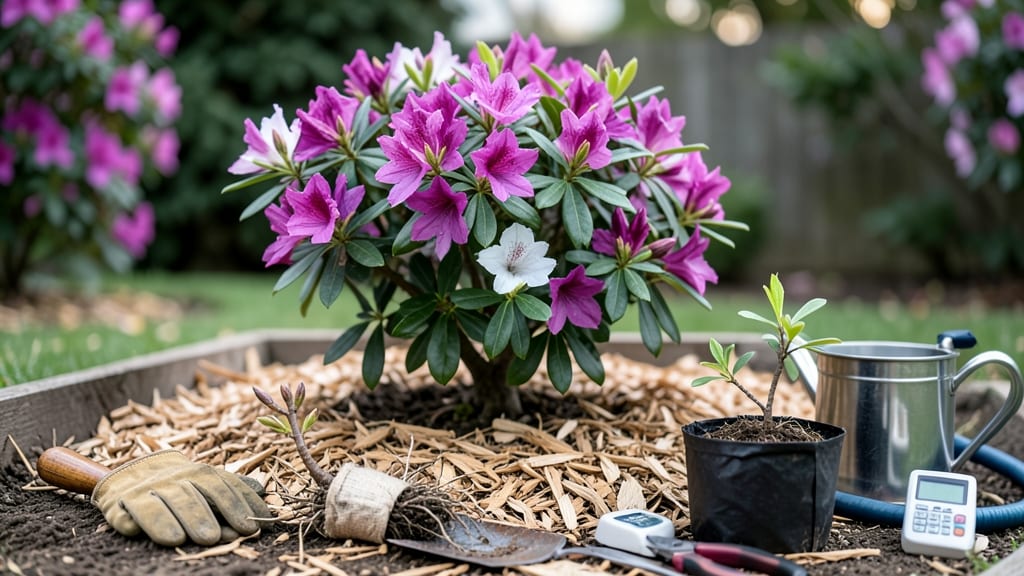
Planting azaleas in Texas isn’t just about picking a date—it’s about outsmarting the heat and frost to give these 🌸 showstoppers the best shot at thriving.
If you get the timing wrong, your azaleas might wilt before they even bloom, or worse, fail to take root before summer’s brutal sun arrives.
Most Texas gardeners swear by fall or winter planting, but the exact window depends on whether you’re in North Texas (like Dallas) or South Texas (near Houston). The key is beating the spring heat while avoiding late-season frosts that can stress young plants.
I’ll break down the best months for each region so you can plant with confidence.
You’ll also discover how to prep your soil for azaleas—these finicky shrubs demand acidity and proper drainage. Plus, I’ll share my top tips for watering, mulching, and choosing the right varieties that actually survive Texas summers.
Skip the guesswork and let’s get those azaleas rooted for a vibrant spring display.
Whether you’re a first-time gardener or a seasoned pro, these insights will help you avoid common mistakes like planting too late or in the wrong spot. Ready to transform your yard with year-round color? Let’s dive in.
Optimal planting months for azaleas in Texas regions
Texas spans USDA zones 8a-10b, creating wildly different conditions for azaleas. In North Texas (Dallas/Fort Worth), where winters can dip below freezing, the window to plant is tight—focus on October through January before spring heat arrives.
Meanwhile, South Texas (Houston/San Antonio) offers a more forgiving November to February range, thanks to milder winters.
Central Texas (Austin) falls in the middle, with October to December as the sweet spot. West Texas (El Paso) is trickier—azaleas thrive only in micro-climates with afternoon shade, and planting should happen in late fall (November) to avoid the brutal summer.
Always check your local frost dates—North Texas averages its last frost around January 31, while South Texas sees frost by February 15.
Why timing matters: Planting too early exposes roots to summer heat stress, while late planting risks winter dieback before roots establish. Aim for cool, moist soil—ideal for root growth without heat shock.
🌸
Texas Regions & Azalea Planting Windows
| Region | Best Planting Months | Key Considerations | Soil Prep Tip |
|---|---|---|---|
| North Texas (Dallas/Fort Worth) | October–January | Avoid spring heat; protect from 20°F frosts | Add pine bark to improve drainage |
| Central Texas (Austin) | October–December | Caliche soil? Amend with organic matter | Mulch with cedar chips to retain moisture |
| East Texas (Houston) | November–February | Humidity-friendly; watch for fungal diseases | Test soil pH (4.5–6.0); lime if needed |
| West Texas (El Paso) | November (only) | Plant in shaded micro-climates only | Use container gardening for flexibility |
For urban gardeners, container planting extends your window slightly—just ensure pots have drainage holes and use acidic potting mix. In rural areas, focus on elevated beds to prevent waterlogging during Texas’ unpredictable rains.
Pro tip: Fall-planted azaleas (October–November) establish roots before winter, giving them a head start when spring blooms arrive. If you miss fall, early spring (March) is a secondary option—but be ready to water daily until roots catch up.
💧
Watch for local heatwaves even in winter—South Texas can hit 80°F in February. If temperatures spike, delay planting until conditions cool. Use a soil thermometer to check: ideal planting soil should be 50–65°F.
Finally, avoid planting in summer—Texas’ heat can cause transplant shock, and azaleas may never recover. Instead, mark your calendar for October 15–November 15 as the prime window for most regions.
☀️
How to prepare your Texas garden for azalea planting success
Azaleas thrive in acidic soil with partial shade, but Texas gardens often need adjustments to match their natural preferences. Start by testing your soil’s pH level—aim for 4.5 to 6.0 using a simple test kit from your local nursery.
If your soil is alkaline (common in Texas), amend it with peat moss, pine bark fines, or sulfur to lower the pH gradually over a few weeks.
Choose a planting location with morning sun and afternoon shade to protect azaleas from Texas’s intense afternoon heat. Urban gardens can use east-facing windows or dappled shade from nearby trees. Avoid full sun, which causes leaf scorch and stress, especially in North and West Texas where temperatures soar.
Warning: Texas-Specific Mistakes to Avoid
- Planting in alkaline soil – Azaleas wilt without acidic soil; test and amend first!
- Skipping mulch – Texas heat dries soil; use 3-4 inches of pine bark mulch to retain moisture.
- Overwatering in summer – Root rot thrives in soggy soil; water deeply but less frequently.
- Ignoring frost dates – North Texas azaleas need winter protection; plant before December 1.
Before planting, loosen the soil to a depth of 12 inches to improve drainage—azaleas hate soggy roots. Mix in compost or well-rotted leaf mold to boost organic matter, which helps retain moisture and nutrients.
For container gardening (ideal for urban areas), use a peat-based potting mix with perlite to mimic acidic, well-draining conditions.
Water your azaleas deeply after planting to settle the soil and eliminate air pockets. For the first two weeks, keep the soil consistently moist by watering every 2-3 days in the morning.
Once established, reduce watering to once a week during spring and fall, and every 10-14 days in summer—unless you’re in West Texas, where drought conditions may require more frequent deep watering.
Apply a 2-3 inch layer of mulch around the base of your azaleas, keeping it 2 inches away from the trunk to prevent rot. Use pine straw or cypress mulch for the best acidity boost.
Replenish mulch annually in late winter to protect roots from Texas’s erratic temperature swings and suppress weeds that compete for nutrients.
Finally, fertilize lightly in early spring (February-March) with an acid-loving plant fertilizer (like 8-8-8 or cottonseed meal). Avoid fertilizing in summer—the heat stresses azaleas, and excess nutrients can burn roots. Instead, focus on fall fertilization (October-November) to encourage root growth before winter dormancy.