
Plants
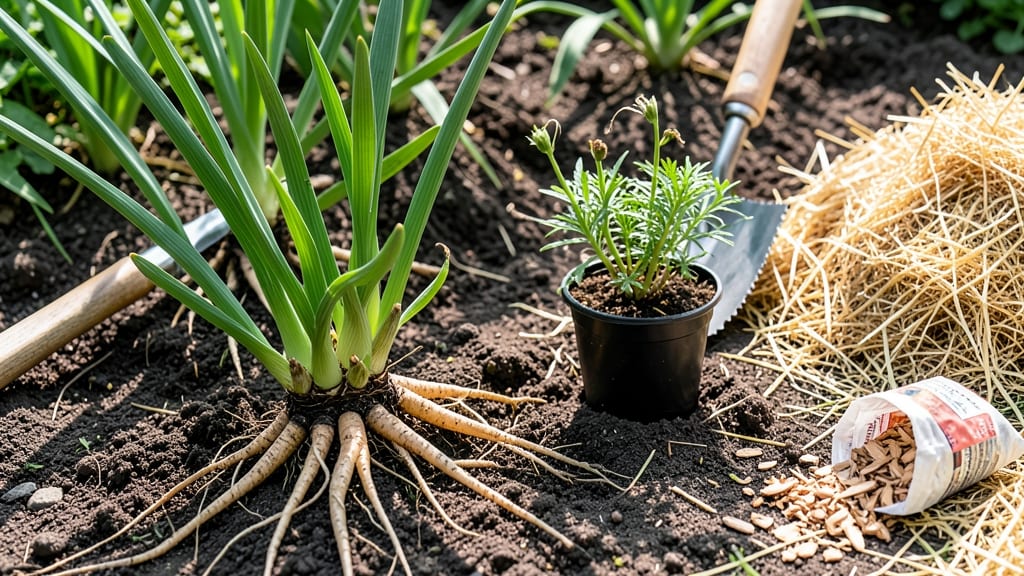
To plant daylilies in Texas and guarantee those stunning 🌸 blooms year after year, timing is everything—and getting it wrong means struggling with heat stress or weak roots.
Whether you're in the Hill Country or the Gulf Coast, the 8a-10b zones demand a smarter approach than just grabbing a shovel in spring.
Most gardeners assume spring is the only window, but fall planting actually gives daylilies a head start on root growth before Texas summers hit.
I’ve seen firsthand how a September start in North Texas leads to hardier plants that bounce back from droughts, while Gulf Coast gardeners can push planting into November for similar results.
Here’s the game-changer: regional microclimates change everything. A 3-week difference in frost dates between North and South Texas means your planting schedule should adjust accordingly—so we’ll break down exactly when to dig in each zone for maximum success.
Ready to skip the guesswork? Let’s dive into the perfect planting windows that’ll have your daylilies thriving—no matter where you call home in the Lone Star State.
Best planting months for daylilies in Texas heat Zones
Texas spans USDA Hardiness Zones 8a–11, creating wildly different planting conditions from the Panhandle’s chilly winters to the Gulf Coast’s year-round heat.
Daylilies thrive in this range, but timing matters—plant too early in North Texas, and they’ll bolt from winter cold; too late in South Texas, and summer drought will stress them. Let’s break down the perfect windows for each region.
Most Texas gardeners swear by fall planting (September–November) as the gold standard. Cool soil temperatures help roots establish before summer’s brutal heat arrives. However, early spring (February–March) works in milder zones like Zone 9b and above, where frost is rare.
The key? Avoid planting when soil temps exceed 75°F—daylilies hate heat stress during root establishment.
North Texas (Zones 7b–8b) gardeners should focus on September–October planting. The region’s last frost dates (Feb 15–March 15) mean spring planting risks expose tender roots to late freezes. In contrast, South Texas (Zones 9a–10b) can plant through November, with February–March as a secondary window for varieties needing a head start on blooms.
The Texas Hill Country (Zones 8a–8b) presents unique challenges with its dry, rocky soil and temperature swings. Here, October planting gives roots time to establish before winter rains arrive. Avoid spring planting unless you’re in Zone 8b+, where frost dates are later.
Gulf Coast gardeners (Zones 9a–10b) enjoy the most flexibility, with September–November and February–March both working well. The region’s humidity and heat mean daylilies appreciate the shade of summer storms after planting. Pro tip: Mulch heavily to retain moisture in the sandy soils common along the coast.
🌱Pro Tip: Always check your local frost dates—the Texas A&M AgriLife Extension has county-specific data. For example, El Paso (Zone 8a) can plant as late as October 15, while Houston (Zone 9a) can stretch to November 1.
🌿 Texas Daylily Planting Guide by Region
| Region | USDA Zone | Best Planting Window | Avoid Planting When | Key Consideration |
|---|---|---|---|---|
| North Texas | 7b–8b | September–October | April–June (heat stress) | Late frosts (Feb–March) |
| Texas Hill Country | 8a–8b | October (primary) / February (secondary) | May–July (drought) | Calcareous soil (amend with compost) |
| East Texas | 8a–8b | September–October / February–March | July–August (humidity + heat) | Clay soil (improve drainage) |
| Gulf Coast | 9a–10b | September–November / February–March | June–August (hurricane season) | Sandy soil (mulch heavily) |
| West Texas | 8a–9a | September–October (only) | April–May (wind + heat) | Alkaline soil (test pH) |
💡 Note: Adjust for microclimates—e.g., elevated areas may need earlier planting than valleys.
For container gardening in Texas, the rules shift slightly. Potted daylilies can be planted anytime soil temps stay below 75°F, but fall (September–October) still wins for root growth. Use fast-draining pots and move containers to shade during 100°F+ days—root rot is a real threat in Texas summers.
🌡️ Heat Zone Reality Check: Texas’ Zone 10b (e.g., Brownsville) allows year-round planting, but spring (March–April) produces the most robust blooms. In Zone 8a (e.g., Amarillo), fall planting is non-negotiable—spring risks expose plants to April frosts that can kill new growth.
One common mistake Texas gardeners make? Planting bare-root daylilies in summer for a "head start." This guarantees heat shock and poor establishment. Instead, soak roots in water for
Best planting months for daylilies in Texas heat Zones
Texas’s diverse climate zones (from Zone 8a to Zone 11) mean daylilies need strategic timing to thrive. In North Texas, where frost lingers until mid-February, aim for early spring planting (February–March).
Meanwhile, South Texas gardeners should plant in fall (September–November) to avoid summer’s scorching heat. The Texas Hill Country falls in between—plant in late winter or early fall for best results.
Daylilies are perennials that establish roots quickly, but Texas’s extreme heat and drought conditions demand precise timing. Planting too early exposes young roots to spring freezes, while late planting risks heat stress before roots take hold.
The key is balancing soil warmth and moisture availability—critical for survival in the Lone Star State.
🌱 Did You Know?
For North Texas, February–March planting aligns with soil warming but avoids late fro