
Plants
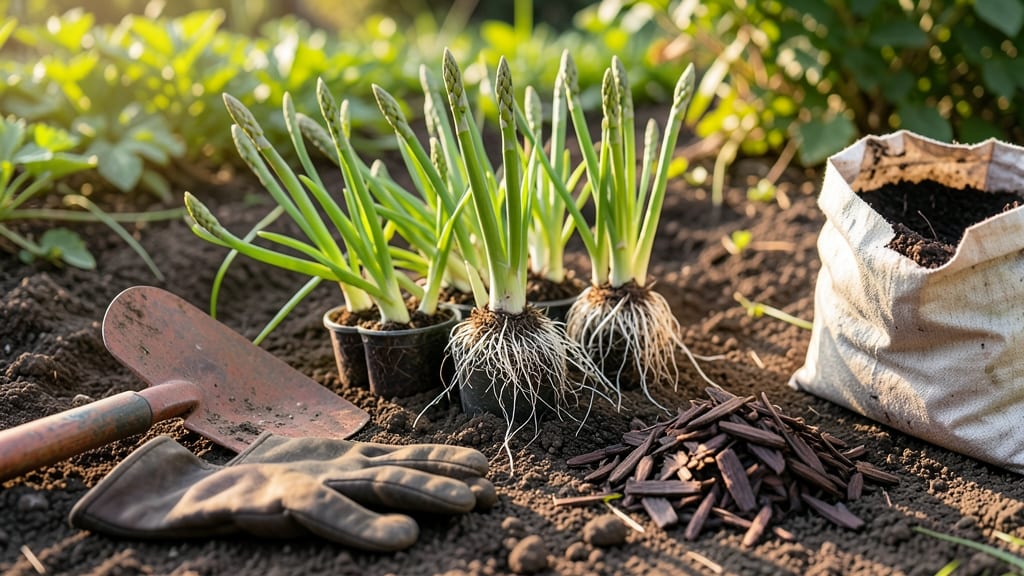
Planting asparagus in Utah isn’t just about the calendar—it’s about beating the unpredictable frost that can turn your 🌱 investment into a frozen disappointment.
Whether you’re in the high desert or the Wasatch Front, timing your crowns or seeds 4-6 weeks before the last frost (usually mid-April) is the key to a thriving patch that rewards you for decades.
Utah’s 5b-7b zones mean you’ve got options, but the real challenge is balancing soil warmth with frost risk. Cold-hardy varieties like ‘Mary Washington’ or ‘Jersey Knight’ can handle early spring planting, but young shoots are still vulnerable—especially if a late freeze sneaks in.
The secret? Prep your soil in February with plenty of compost to warm up faster, then plant as soon as temperatures hit a steady 50°F.
Here’s the game-changer: Utah’s microclimates mean your neighbor’s perfect timing might not work for you. High-altitude gardens (like those near Park City) need to wait until late April, while lower elevations (St. George, Provo) can start as early as March.
We’ll break down exactly how to read your local frost data and adjust your planting window—so you’re not left guessing when to dig in.
Ready to turn your garden into a spear-producing powerhouse? I’ll walk you through the exact steps to prep your soil, choose the right variety for your elevation, and protect your young plants from Utah’s infamous frost surprises. Let’s get those crowns in the ground the right way.
Utah’s frost-free planting zones & best months for asparagus
Utah’s diverse USDA Zones 4-7 and high-altitude microclimates create unique challenges for planting asparagus crowns. Unlike warmer climates, Utah’s late spring frosts (often until mid-April) demand precise timing—plant too early, and young shoots freeze; too late, and your harvest suffers.
The key is understanding your local frost-free window and soil temperature thresholds.
In Salt Lake City (Zone 6a), the average last frost date falls around April 15, while St. George (Zone 8a) enjoys an extended season with no frost risk after March 15.
High-altitude areas like Ogden (Zone 5b) may face frosts until May 1, delaying planting by weeks. Always check local almanac data or use a soil thermometer to confirm 40°F soil temps—the ideal trigger for planting.
🌱
| Region | USDA Zone | Last Frost Date | Best Planting Window | Soil Temp Goal |
|---|---|---|---|---|
| Northern Utah (Ogden, Park City) | 5b-6a | April 15-May 1 | Late April | 40°F+ |
| Salt Lake Valley (SLC, Provo) | 6a-6b | April 1-15 | Early April | 40°F+ |
| Southern Utah (St. George, Cedar City) | 7a-8a | March 15-April 1 | Late February-March | 45°F+ |
| High Desert (Price, Green River) | 6b-7a | April 15 | Early April | 40°F+ |
🌡️ Pro Tip: Use black plastic mulch 2-3 weeks before planting to warm soil faster in cooler zones.
For spring planting, aim to get asparagus crowns in the ground 4-6 weeks before your last frost date. This gives roots time to establish before active growth begins. In Utah’s Zone 5-6 areas, this typically means late March to early April.
If you’re in Zone 7 (St. George), you can plant as early as late February.
Fall planting is not recommended in Utah due to winter dieback risk. However, if you must plant in September, choose cold-hardy varieties like ‘Jersey Knight’ and use heavy mulch (6+ inches) to insulate roots.
Always plant crowns (not seeds) in Utah—they establish faster and handle our short growing season better.
Prepare your planting beds in fall or early spring by amending soil with compost and a balanced fertilizer (5-10-10). Asparagus thrives in well-draining, slightly alkaline soil (pH 6.5-7.5). Avoid waterlogged areas, especially in Utah’s clay-heavy soils—raise beds if needed to prevent root rot.
After planting, mulch heavily with straw or wood chips to retain moisture and regulate soil temperature. In Utah’s dry climate, this is critical—asparagus crowns need consistent moisture but hate soggy soil.
Water deeply once a week (more in summer heat) and avoid wetting foliage to prevent fungal diseases like rust.
🌱Remember: Utah’s first harvest won’t come until Year 2 or 3, but with the right timing, your asparagus patch can produce for 15+ years. Patience and preparation now mean decades of homegrown spears—worth the wait!
Utah’s frost-free planting zones & best months for asparagus
Utah’s diverse elevations—from the high desert of St. George (Zone 7b) to the Wasatch Front’s Salt Lake City (Zone 6a)—create wildly different frost-free windows for asparagus.
Unlike most crops, asparagus crowns thrive when planted 4-6 weeks before your last frost date, but soil temperature matters more than air temperature. In Utah, aim for 50°F soil temps, which typically arrive in early March for low elevations and late March for high-altitude areas.
Most Utah gardeners plant asparagus in March or early April, but timing depends on your microclimate. For example, Ogden’s Zone 5b may see last frosts in early May, while Moab’s Zone 6b often warms up by late March.
Always check your local USDA Plant Hardiness Zone and monitor soil temps with a probe—cold soil can stunt root growth.
Here’s a quick guide to Utah’s frost-free windows by region:
| Region | Last Frost Date | Ideal Planting Window | Soil Temp Trigger |
|---|---|---|---|
| Salt Lake City (Zone 6a) | Mid-April | Late March–early April | 50°F (early March) |
| Ogden (Zone 5b) | Early May | Late April | 50°F (late March) |
| St. George (Zone 7b) | Mid-February | January–February | 50°F (December) |
Fall planting is not recommended in Utah’s climate, as asparagus crowns need time to establish roots before winter dormancy. If you miss the spring window, wait until next year—rushing fall plantings often results in frost damage or poor yields.
For high-altitude gardens, consider row covers to extend the season by 2-3 weeks if you plant early.
Utah’s short growing season (150–200 frost-free days) means asparagus takes 2–3 years to mature, but proper timing ensures decades of harvests. After planting, mulch heavily with straw or wood chips to retain soil warmth and protect crowns from temperature swings—a critical step in Utah’s variable climate.
Pro tip: Use a soil thermometer to confirm readiness—cold soil delays growth, and asparagus crowns won’t thrive if planted too early. Pair your planting date with well-drained soil (sandy loam works best) to prevent rot, especially in Utah’s fluctuating spring temperatures.