
Plants
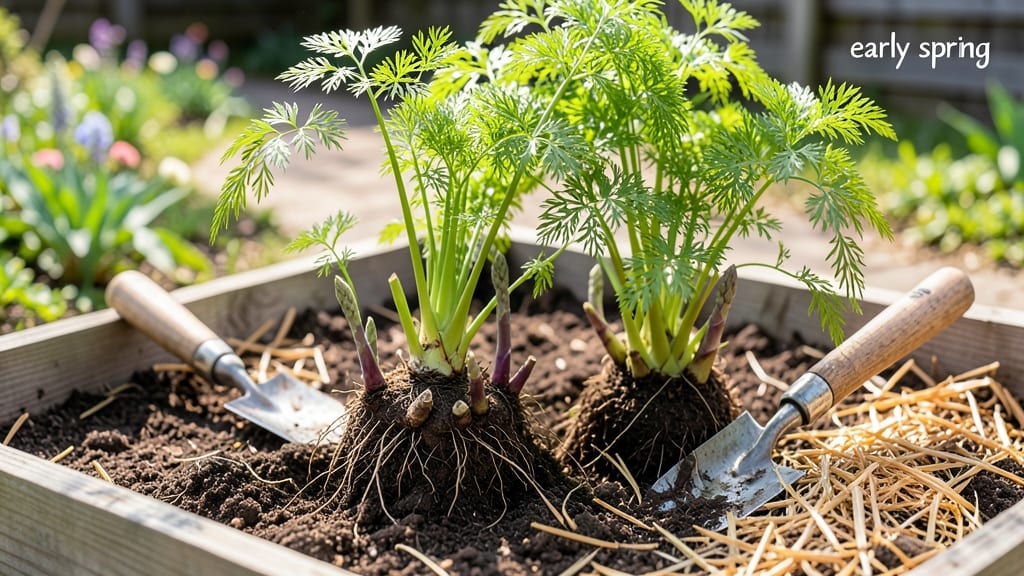
Planting asparagus in Kentucky at the wrong time can mean waiting years for your first harvest—or worse, losing your crowns to frost before they even take root.
The key to success lies in understanding your local frost-free window and soil temperature, which in 6a-7a zones typically means getting those crowns in the ground between March and April.
Why does timing matter so much? Asparagus is a perennial crop that needs patience—it won’t produce spears until its second or third year. But if you plant too early, a late frost can wipe out your young shoots, while planting too late delays that first harvest.
Kentucky’s microclimates add another layer, so knowing whether you’re in the cooler Bluegrass region or the warmer Pennyrile area makes all the difference.
In this guide, I’ll walk you through the exact soil temperature cues to watch for, how to prep your bed for maximum success, and why early spring is your best bet—plus how to avoid the three biggest mistakes Kentucky gardeners make.
Ready to grow your own 🌱 asparagus patch without the frustration?
Let’s get those crowns in the ground at the perfect moment so you can enjoy fresh, homegrown spears in just a few seasons. The wait is worth it—once you master the timing, asparagus becomes one of the most rewarding crops in your garden.
Kentucky asparagus planting timeline: soil temperature & frost-free dates
Asparagus thrives in Kentucky's USDA Zones 6a-7a, but timing your planting window is critical. The ideal soil temperature for planting crowns is between 40-50°F, which typically aligns with late March to early April in most regions.
This ensures roots establish before summer heat arrives, while avoiding late frosts that can damage tender shoots.
Kentucky’s microclimates play a big role—Bluegrass Region gardeners often plant 1-2 weeks earlier than those in Pennyrile, where cooler springs delay soil warming. Always check your last frost date (around March 15 in Louisville, later in the southeast) to avoid planting too soon.
Here’s your Kentucky asparagus planting timeline broken down by key factors:
For Bluegrass Region gardeners (Lexington, Louisville), aim to plant March 20-April 5 when soil reaches 45°F. In Pennyrile (Paducah, western KY), wait until April 1-15 due to cooler springs. Use a soil thermometer to confirm—plant when temps stabilize above 40°F for 3+ days.
Pro tip: Kentucky’s 180 frost-free days mean asparagus has plenty of time to mature. But rush planting in February risks frost damage, while waiting until May delays your first harvest by a full year. The sweet spot is early April for most gardeners.
After planting, mulch with 2-3 inches of straw to retain moisture and regulate soil temps. Avoid heavy mulch in summer—it can smother crowns. Water deeply 1-2 inches per week (more in dry spells) until plants establish roots.
Remember: Asparagus is a perennial investment. A well-timed planting in Kentucky’s spring means decades of harvests with minimal replanting. Patience pays off—your first spears won’t appear until Year 2, but the wait is worth it for fresh, homegrown asparagus for years to come!
🌱
Kentucky asparagus planting timeline: soil temperature & frost-free dates
Kentucky’s USDA Zones 6a-7a create a unique window for planting asparagus—one that balances soil warmth and frost risk.
Unlike cooler climates, Kentucky’s early springs often allow planting as early as late February in southern regions like Pennyrile, while northern Bluegrass areas should wait until mid-March to avoid frost damage.
The golden rule? Plant when soil temperatures reach 40-50°F—this ensures roots establish before summer heat arrives. Use a soil thermometer to check; if it’s consistently above 50°F at 4-inch depth, your asparagus crowns are ready to go in the ground.
| Stage | Action | Kentucky Timeline |
|---|---|---|
| Soil Prep | Test pH (6.5-7.5), amend with compost | Fall or early spring |
| Planting Window | Plant 1-year crowns 6-8" deep | Southern KY: Late Feb Northern KY: Mid-March |
| First Frost Risk | Avoid planting after last frost date | March 15 (varies by region) |
| Harvest Readiness | Spears reach 6-8" | Year 2: Late April Year 3+: April-June |
Kentucky’s microclimates play a huge role—Pennyrile’s warmer winters often allow February planting, while Eastern Kentucky’s cooler highlands may need to wait until April. Check your local frost-free date (typically March 15 in most areas) and plant 4-6 weeks before to give roots time to establish.
Pro tip: If you’re unsure about soil temps, use the "squeeze test"—grab a handful of soil. If it crumbles when dry but holds shape when squeezed, it’s ready for planting. This method works even without a thermometer!
Remember, asparagus is a perennial, meaning the first year is all about root growth. Your harvest won’t start until year 2 or 3, so planting at the right time ensures you’re not waiting an extra year for those first sweet spears.
For gardeners in Zone 7a, you might even squeeze in a fall planting (September-October) if you’re using bare-root crowns, but spring planting is always the safer bet for Kentucky’s variable weather.