
Companion Plants
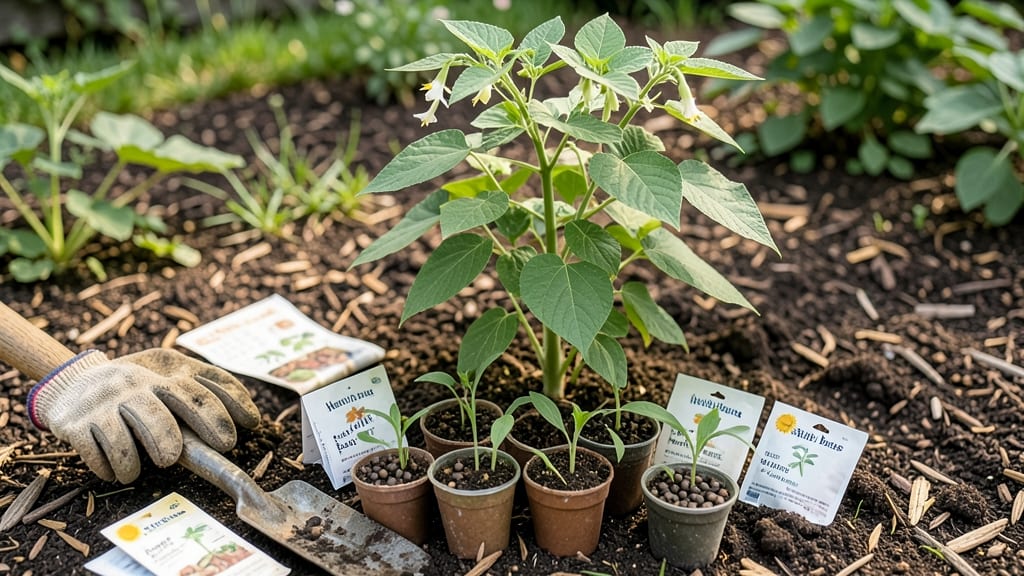
Planting beans in New Jersey at the wrong time means watching your hard work melt away with the first frost—or worse, struggling through a heatwave with no harvest in sight.
The key to a thriving 🌱 bean patch lies in knowing exactly when to get those seeds in the ground, whether you're growing bush beans or climbing pole varieties.
With New Jersey's 6a-7b climate, timing matters more than you might think. Too early, and cold soil slows germination; too late, and summer's heat arrives before you can enjoy fresh-picked pods.
The sweet spot? After the last frost—typically April 15 in most of the state—but there's more to it than just dates.
In this guide, I’ll break down the perfect planting window for your region, soil temperature secrets, and how to stretch your harvest with smart succession planting. Whether you're a first-time gardener or a seasoned pro, these tips will help you avoid common mistakes and grow beans like a local.
Ready to turn your garden into a bean bonanza? Let’s dive into the exact steps to time your planting for maximum success—no guesswork required.
Optimal soil temperature & frost-free deadlines for NJ bean planting
New Jersey’s diverse microclimates mean last frost dates can vary by 2–3 weeks from north to south. In USDA Zones 6a–7b, beans thrive when soil temperatures hit 50°F+ for germination, but 60°F+ ensures faster growth.
My garden in Central NJ typically waits until mid-May for pole beans, while Southern NJ gardeners can start as early as late April.
Frost-sensitive beans need frost-free deadlines carefully timed. Northern NJ (e.g., Newark) usually hits its last frost around April 15–May 1, while Atlantic City averages April 1–15. Always check the NJ Agricultural Experiment Station for real-time updates—delay planting if nighttime temps dip below 40°F.
Soil temperature is just as critical as air temperature. Use a soil thermometer to confirm 60°F+ at 4-inch depth. In my experience, black plastic mulch warms soil 5–10°F faster than bare ground, helping meet this threshold sooner.
For cooler regions, consider row covers to extend the season by 2–3 weeks.
Here’s a quick reference for NJ’s frost-free planting windows by region, along with ideal soil conditions:
🌱 NJ Bean Planting Timeline by Region
| Region | Last Frost Date | Optimal Planting Window | Soil Temp Requirement | Harvest Window |
|---|---|---|---|---|
| Northern NJ (e.g., Newark) | April 15–May 1 | May 15–June 15 | 60°F+ (use row covers if cooler) | July 15–September 15 |
| Central NJ (e.g., Trenton) | April 1–April 15 | April 20–June 1 | 55°F+ (warms quickly) | June 20–September 10 |
| Southern NJ (e.g., Atlantic City) | March 25–April 10 | April 1–May 31 | 50°F+ (earliest possible) | June 1–September 5 |
💡 Pro Tip: Plant pole beans 1–2 weeks earlier than bush beans—they tolerate cooler soil better and climb faster.
For succession planting, aim for 3-week intervals between sowings to stretch your harvest. In Northern NJ, my last planting is around June 15—any later, and the summer heat causes beans to bolt prematurely. Always save seeds from your best-performing plants for next year’s garden!
If you’re unsure about your local frost dates, sign up for NJ State Climate Office alerts or use the Old Farmer’s Almanac app. I’ve found their 30-year averages align closely with my observations in Zone 6b.
Pair this with a garden journal to track your own microclimate patterns over time.
One final tip: Black beans and kidney beans handle heat better than green beans, so prioritize these varieties if your summer stretches into September. With the right timing, you’ll enjoy fresh pods straight from the vine all season long! 🌿
Best planting times for bush vs. pole beans in New Jersey
New Jersey's climate offers two distinct planting windows for beans: spring and late summer. For most varieties, aim to plant bush beans and pole beans between April 15 and June 15, after the last frost date.
However, pole beans can handle slightly cooler soil, giving them a 1-2 week head start over bush beans.
In southern NJ (like Atlantic City), you can start as early as mid-April when soil reaches 60°F. Meanwhile, northern NJ (like Newark) may wait until late April or early May to avoid frost damage.
For a second harvest, plant again in late July for a fall crop before the first frost in late October.
Bush beans thrive when planted 2-3 weeks after last frost because they grow quickly—50-60 days to harvest. Pole beans, however, benefit from an earlier start (1-2 weeks before bush beans) since they need time to establish vines for trellises.
This staggered approach ensures a continuous harvest throughout summer.
| Bean Type | Best Planting Window | Days to Harvest | NJ-Specific Tip |
|---|---|---|---|
| Bush Beans | April 22 - June 1 | 50-60 days | Wait until soil is 60°F+; plant in full sun. |
| Pole Beans | April 15 - May 15 | 60-75 days | Plant near trellises early; use black plastic mulch to warm soil. |
| Succession Planting | Every 2 weeks (May-July) | 50-60 days | Extend harvest by sowing new seeds every 2 weeks. |
For late-summer planting, focus on heat-tolerant varieties like 'Contender' or 'Blue Lake'. These can handle NJ's humid summers better than traditional types. Always plant in well-draining soil and keep rows 3-4 inches apart for airflow, preventing fungal diseases like bean rust.
Pro tip: Use row covers for early plantings to protect young seedlings from unexpected late frosts. Remove covers once plants reach 6 inches tall to avoid overheating. Monitor soil moisture—beans need 1 inch of water per week, especially during flowering.
By aligning your planting schedule with NJ's microclimates and variety needs, you'll enjoy a longer harvest season with fewer pests and diseases. Start with pole beans in April, follow with bush beans in May, and repeat in July for fall—simple steps for a bean bonanza!