
Plants
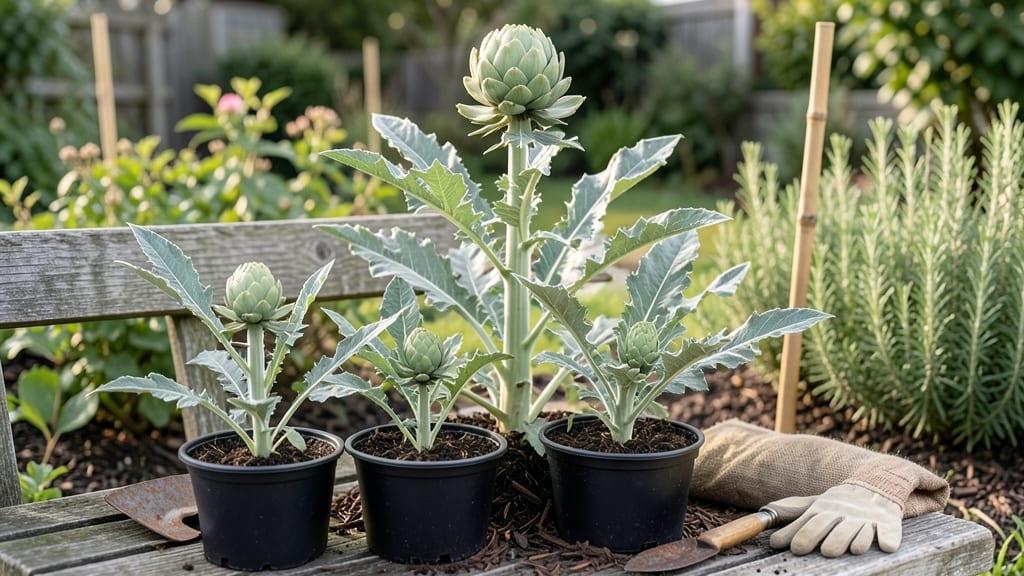
To plant artichokes in Zone 7 and guarantee fast sprouting, timing is everything—and getting it wrong means waiting months for those globe-shaped delights to appear. These Mediterranean beauties 🌱 crave specific soil temperatures, and planting too early or late can leave you with stunted growth or no harvest at all.
Most gardeners in Zone 7 (7a-7b) swear by two windows: early spring (March-April) when soil warms to 45-55°F, or late summer (July-August) after summer heat fades. But here's the catch—artichokes planted from seeds take 90-120 days to mature, while transplants need soil at 60°F+ to thrive.
I’ve learned the hard way that rushing the process leads to leggy, weak plants. The key? Waiting until the last frost date (around April 15 in Zone 7) has passed and using a soil thermometer to confirm conditions are perfect.
Let me show you exactly how to nail those triggers for a faster, healthier crop.
Once you’ve got the timing down, the next challenge is keeping those tender seedlings happy. From watering schedules to soil prep, I’ll walk you through every step to ensure your artichokes grow strong enough to reward you with plump, edible buds by summer’s end.
Optimal planting windows for artichokes in Zone 7 based on soil temperature
Artichokes in Zone 7 are finicky about timing—get the soil temperature wrong, and you’ll either wait forever for sprouts or watch your plants bolt in the heat. The sweet spot for germination is 45-55°F, while transplants need soil at 60°F+ to establish roots.
I’ve found that planting too early (before March) risks frost damage, while waiting until May can lead to summer heat stress before harvest.
Most Zone 7 gardeners swear by two planting windows: early spring (March-April) for a summer harvest or late summer (July-August) for a fall crop. The key is aligning your schedule with the last frost date (around April 15) and summer heat patterns.
Let’s break down the exact triggers for each method.
A soil thermometer is your best friend—bury it 2 inches deep in the garden bed. For seeds, wait until readings consistently hit 50°F+ in the morning. For transplants, aim for 60°F+ soil to prevent shock.
I once planted artichoke starts in 55°F soil and lost half my crop to root rot—don’t make that mistake!
For spring planting, I recommend starting seeds indoors 6-8 weeks before the last frost (around February 15) and transplanting them when soil reaches 60°F+. This gives seedlings a head start and reduces the risk of frost damage. Use biodegradable pots to avoid disturbing roots during transplanting.
Fall planting is trickier in Zone 7 because of the short growing season. Aim to plant seeds by July 15 so they mature before the first frost (around October 15).
Choose fast-maturing varieties like 'Green Globe' (90 days) over slower growers like 'Imperial Star' (150 days). I’ve had success with fall plantings by using row covers to extend the season.
One mistake I see often is planting artichokes too close to summer’s peak heat. Temperatures above 85°F can cause buds to develop poorly or even abort. That’s why late July-August plantings work better—they give plants time to establish before summer cools slightly in Zone 7.
To test your soil’s readiness, do the finger test: Push your finger 2 inches deep—if the soil feels cool but not cold, it’s likely in the right range.
For precision, invest in a soil thermometer (they’re cheap and save headaches). I keep mine buried in my garden bed year-round to track temperature trends.
Remember, artichokes are perennial in Zone 7, meaning they’ll regrow each year if given proper care. Once established, they’ll produce for 3-5 years with minimal effort. The first year is all about getting the timing right—after that, you’ll enjoy low-maintenance harvests for seasons to come.
Pro tip: Mark your planting dates on a garden calendar and note soil temps. Over time, you’ll spot patterns in your microclimate that help refine your timing. For example, my garden’s south-facing bed warms up 2 weeks earlier than the north side—knowledge that’s saved me from late frosts.
Optimal planting windows for artichokes in Zone 7 based on soil temperature
Artichokes in Zone 7 demand precise timing—plant too early, and frost will kill tender seedlings; too late, and summer heat stresses their growth. The sweet spot? Soil temperatures between 45-55°F for seed germination and 60°F+ for transplants.
This window typically aligns with March-April for spring planting and July-August for late-summer starts.
I’ve found that using a soil thermometer is non-negotiable. The USDA Zone 7 last frost date (around April 15) is a starting point, but soil temperature can lag behind air temperature by weeks.
For example, in 7a (colder sub-zone), I wait until soil hits 50°F consistently before sowing seeds, while 7b gardeners can plant a week earlier.
Here’s the kicker: artichokes planted from seeds take 90-120 days to mature, so late spring plantings risk harvests clashing with summer heat. Transplants, however, can handle 60°F+ soil and mature 30-40 days faster.
That’s why I always opt for transplants in late July for a fall harvest—avoiding the brutal August heat that can scorch young plants.
| Stage | Soil Temp | Zone 7 Window | Notes |
|---|---|---|---|
| Seed Germination | 45-55°F | March 15 - April 15 | Use row covers if frost threatens |
| Transplanting | 60°F+ | April 1 - May 15 | Hardier than seeds; faster growth |
| Late-Summer Planting | 65°F+ | July 15 - August 15 | Avoids summer heat stress |
| Harvest Window | N/A | May-July (spring) or Sept-Oct (fall) | Spring plants bolt in heat; fall plants thrive |
Pro tip: If you’re planting seeds in February (possible in mild Zone 7 winters), start them indoors under grow lights to jumpstart germination. I’ve had success with ‘Green Globe’ seeds sprouting in 10-14 days at 55°F soil temps.
Just be ready to transplant outdoors once soil warms—delaying too long risks overcrowded seedlings.
For late-summer plantings, focus on July-August after the dog days of summer (post-August 15) when soil cools slightly. This gives plants 8-10 weeks to mature before the first frost (around October 15). I’ve grown ‘Imperial Star’ this way, and the fall harvests are just as sweet as spring’s!
Remember: artichokes are perennials in Zone 7, but they’ll produce best if you replace them every 2-3 years to prevent disease buildup. Start fresh with new plants in spring or fall for consistent yields.