
Companion Plants
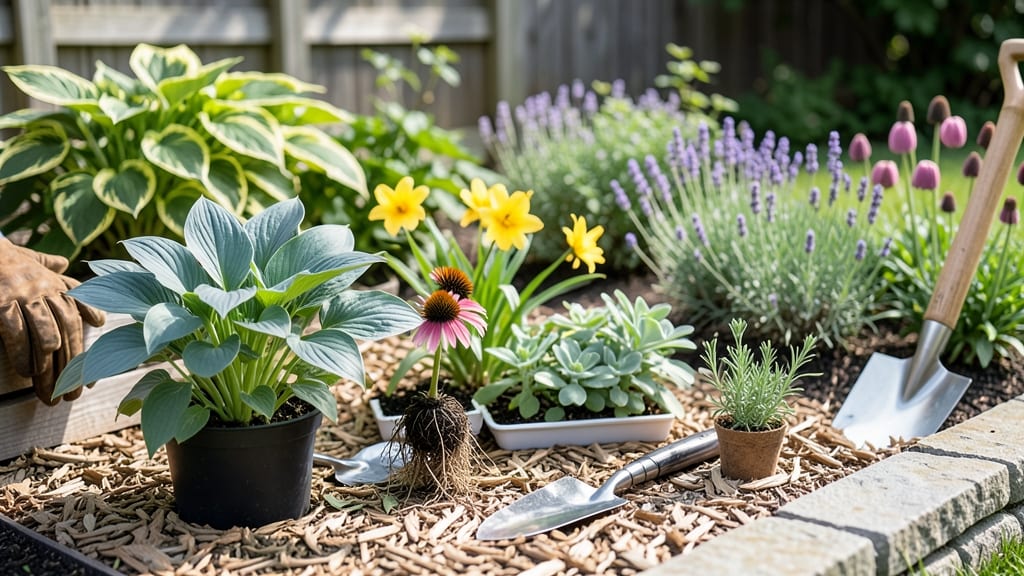
Timing your perennial planting in Zone 6 can make or break your garden’s success—get it right, and you’ll enjoy lush, vibrant plants for years with minimal effort.
Unlike annuals that you replace every season, perennials like 🌱 coneflowers or hostas need the perfect window to establish strong roots before winter hits.
Most gardeners in Zone 6 rush to plant as soon as spring warms up, but that can backfire if frost lingers. The ideal time actually depends on whether you’re planting in spring or fall—and even then, soil temperature matters more than calendar dates.
I’ll break down the exact months to plant, plus how to tell when your soil is truly ready for those new roots.
You’ll also discover why fall planting often outperforms spring for many perennials, how to handle Zone 6’s unpredictable weather swings, and when to transplant established plants without shocking their growth. Let’s dig into the science (and shortcuts) so you can skip the guesswork and start planting with confidence.
Whether you’re a first-time gardener or a veteran with a few failed attempts under your belt, these insights will help you avoid common mistakes. By the end, you’ll know exactly when to grab that shovel—and which perennials deserve priority in your garden beds.
Best planting months for perennials in Zone 6 based on root growth needs
In Zone 6, the ideal time to plant perennials depends on whether you're focusing on spring or fall planting. Most gardeners prefer early fall (late August to early October) because cooler temperatures and moist soil create perfect conditions for root establishment.
However, spring planting (after your last frost date) also works well for tender perennials.
For Zone 6, the last frost typically occurs between mid-April and early May, while the first frost arrives around mid-October. Planting too early in spring risks frost damage, while waiting too long in fall may leave roots vulnerable before winter.
Timing is everything for strong perennial growth!
🌱 Zone 6 Perennial Planting Guide
| Planting Window | Soil Temperature | Best For | Notes |
|---|---|---|---|
| Late August - Early October | 50°F - 65°F | Hardy perennials | Cooler temps reduce transplant shock |
| After last frost (May) | 60°F+ | Tender perennials | Water deeply for root growth |
| Early September | 55°F - 60°F | Bulb perennials | 6-8 weeks before frost |
When planting in fall, aim for 4-6 weeks before your first frost to allow roots to establish before winter. This gives perennials like coneflowers and black-eyed Susans time to develop strong root systems.
In spring, wait until the soil warms to at least 60°F to prevent root rot in sensitive varieties.
For Zone 6, September is often the sweet spot for fall planting. The air is still warm enough for growth, but nights are cooling, reducing stress on newly planted perennials.
If you miss fall, don’t worry—spring planting is still effective, especially for tender perennials like lavender or Russian sage.
Soil temperature is critical for root growth. Use a soil thermometer to check—most perennials thrive when soil is between 50°F and 65°F. If your soil is too cold, roots may struggle to establish, leading to weak plants.
Amend your soil with compost before planting to improve drainage and fertility.
Did you know? Dividing perennials in early spring (March-April) or early fall (September) gives them the best chance to recover. This timing aligns with their natural growth cycles, helping them bounce back stronger. For example, hostas and daylilies benefit from division during these windows.
If you're planting bare-root perennials, soak the roots for 1-2 hours before planting to rehydrate them. This is especially important in dry Zone 6 summers.
After planting, water deeply to settle the soil and encourage root contact. Mulch with 2-3 inches of organic mulch to retain moisture and regulate soil temperature.
For container-grown perennials, the root ball should be moist but not soggy. Gently loosen the edges of the root ball before planting to encourage outward root growth. This is particularly important for woody perennials like shrub roses, which need proper root spread to thrive in Zone 6 winters.
Remember, Zone 6 has microclimates—your backyard might experience slightly different frost dates than your neighbors. Monitor local weather patterns and adjust your planting timeline accordingly. With the right timing, your perennials will reward you with years of vibrant blooms and lush foliage! 🌿
How to adjust planting time for perennials in Zone 6’s unpredictable spring weather
Zone 6’s spring weather can be as unpredictable as a garden gnome’s mood—one day it’s warm and sunny, the next you’re shivering through a surprise frost. If you’ve ever planted perennials too early only to watch them freeze, you know how frustrating this can be.
The key to success lies in flexible timing, protective strategies, and soil temperature awareness.
Unlike annuals, perennials need time to establish strong root systems before facing winter. In Zone 6, this means planting after your last frost date—typically between mid-April and early May—but also being ready to adjust for late frosts that can linger into May.
For example, coneflowers and black-eyed Susans can handle cooler temps, but lavender and rosemary need warmer soil to thrive.
Here’s how to navigate Zone 6’s spring planting chaos without losing your perennials to Mother Nature’s whims. The secret? Layered protection and soil prep that gives your plants a fighting chance.
⚠️ Callout Warning: Late Frosts Are Real in Zone 6
Even if your last frost date is mid-April, late frosts can hit as late as May 10th in some areas. Tender perennials like salvia or catmint planted too early may not survive. Use frost cloths or wait until soil reaches 60°F (15°C) before planting.
🌱 Pro Tip: Test soil temp with a soil thermometer—it’s the only way to know for sure.
If you’re planting in early spring and face a late frost, don’t panic. Many perennials, like hostas and heucheras, can handle cooler temps if their roots are established. Use mulch (2-3 inches of straw or shredded leaves) to insulate soil and protect young roots.
For tender perennials, like dahlias or canas, delay planting until after Memorial Day or use a cold frame to create a microclimate.
Another trick is to plant in stages. Start with hardy perennials like Russian sage or sedum in early April, then add semi-hardy varieties (like bee balm) in late April, and save tender perennials for May. This staggered approach minimizes frost risk while keeping your garden blooming all season.
Don’t forget that soil moisture plays a huge role in spring planting. Zone 6’s unpredictable weather can leave soil too wet or too dry. Amend your soil with compost to improve drainage and water retention, then water deeply after planting.
A drip irrigation system on a timer can save you from missed watering sessions during busy spring days.
Finally, keep an eye on the weather forecast and have a frost protection plan. If a late frost is predicted, cover young plants with frost blankets or even old bedsheets. With these strategies, you’ll turn Zone 6’s unpredictable spring into your perennial planting superpower. 🌿