
Companion Plants
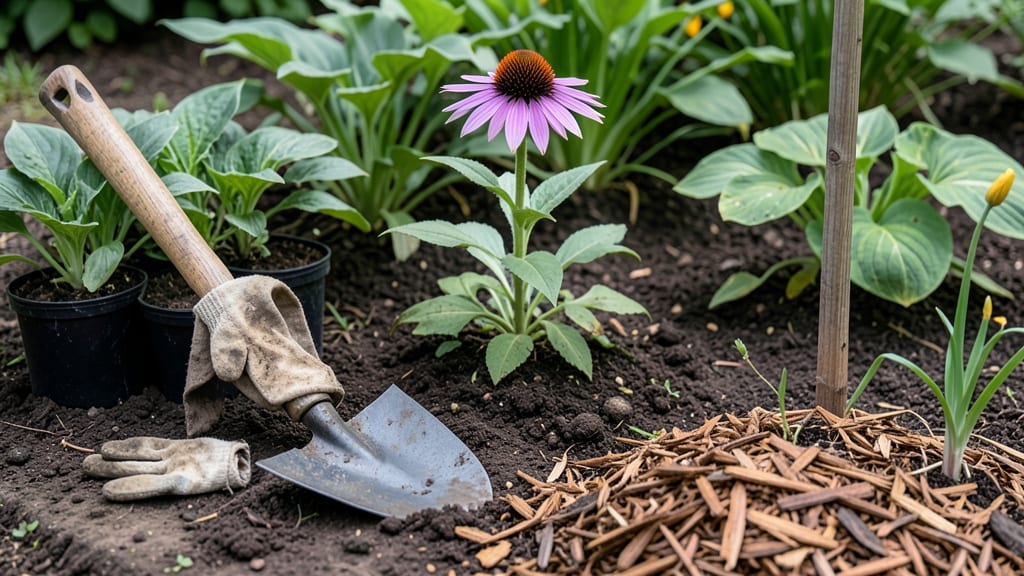
Timing your perennials just right in Zone 5 could mean the difference between a thriving garden and wasted effort—planting too early risks frost damage, while waiting too long slows root growth.
The best windows are early spring (after your last frost date) or early fall, but getting it wrong can leave your 🌱 struggling to establish before winter.
Most gardeners in Zone 5 aim for April through May or September through October, but the exact timing depends on your specific plants. Hardy perennials like coneflowers can handle cooler soil, while tender varieties need warmer temperatures to take root.
I’ll break down the ideal schedule so you don’t guess—and end up with stunted growth or frost-bitten leaves.
Fall planting often works better than spring for many perennials because the cooler air and moist soil give roots time to settle before winter. But if you’re planting in spring, don’t rush—wait until the soil is at least 50°F (10°C) to avoid shocking delicate roots.
I’ll share my foolproof method for checking soil readiness and adjusting for Zone 5’s unpredictable weather.
Ready to stop second-guessing your planting schedule? By the end of this guide, you’ll know exactly when to dig in for the strongest, hardiest perennials—no more wasted effort or guesswork. Let’s get those roots growing the right way.
Optimal planting windows for perennials in Zone 5 by plant type
In Zone 5, timing your perennial planting correctly ensures they establish strong roots before winter. The two best windows are early spring (after last frost) and early fall (4-6 weeks before first frost).
Each plant type has unique needs—woody perennials like shrubs need spring planting, while herbaceous perennials thrive in both seasons.
Your last frost date in Zone 5 averages around April 15, but this can vary by 1-2 weeks yearly. Similarly, the first frost typically arrives by October 15. These dates are your planting anchors—plant too early, and young roots may freeze; too late, and growth stalls before winter.
Woody perennials (e.g., shrubs, trees) should always go in spring because their roots need time to harden before cold. Herbaceous perennials (e.g., hostas, coneflowers) can handle fall planting, as they establish roots quickly. Bulbs like daffodils prefer fall for natural winter chilling.
Here’s how to align your planting with Zone 5’s climate for maximum success:
| Plant Type | Best Planting Window | Weeks Before Frost | Notes |
|---|---|---|---|
| Woody Perennials (Shrubs, Trees) | Early Spring (April–May) | N/A (Spring only) | Plant after last frost; water deeply to reduce transplant shock. |
| Herbaceous Perennials (Hostas, Coneflowers) | Spring or Fall (April–May / Sept–Oct) | 4–6 weeks before first frost | Fall planting gives roots a head start; mulch heavily after planting. |
| Bulbs (Daffodils, Tulips) | Fall (September–October) | 6–8 weeks before first frost | Requires winter chilling; plant in well-draining soil. |
| Tender Perennials (Salvia, Lavender) | Late Spring (May–June) | N/A (Avoid fall) | Wait until soil is warm (60°F+); protect from late frosts. |
For spring planting, aim to get perennials in the ground 2–4 weeks after your last frost. This gives roots time to establish before summer heat. Use a soil thermometer to confirm soil temps are above 50°F—critical for root growth.
If you prefer fall planting, focus on hardy perennials like peonies, sedum, and asters. These types thrive when planted 4–6 weeks before frost, allowing roots to grow without competing with summer heat. Mulch with 3–4 inches of organic matter to insulate roots.
Pro tip: Container-grown perennials can be planted 1–2 weeks earlier than bare-root types, as their roots are already established. Just keep them well-watered for the first 2–3 weeks to reduce stress.
Always check your local frost dates—tools like the National Weather Service or Almanac’s Frost Calculator provide hyper-local data. Microclimates (e.g., south-facing slopes) can shift frost dates by 1–2 weeks, so observe your garden’s patterns.
Finally, amend your soil before planting: mix in compost for nutrients and sand if drainage is poor. Well-prepped soil = happier perennials with stronger root systems for Zone 5’s harsh winters. 🌱
How to adjust planting time for Zone 5’s unpredictable spring weather
Zone 5’s spring weather is famously fickle—one day it’s warm enough to plant, the next you’re shoveling snow. Late frosts can devastate tender perennials if planted too early, while waiting too long risks stunted root growth before summer heat arrives.
The key is flexibility: adjust your planting timeline based on soil temperature, not just air temperature.
A soil thermometer is your best friend here. Most perennials need soil temps of at least 50°F (10°C) to thrive. In my Zone 5 garden, this often means waiting until mid-to-late May—even if the air feels spring-like by April.
Check the soil in the morning when it’s coolest for the most accurate reading.
Microclimates add another layer of complexity. A south-facing slope warms up faster than a shady valley, so plants there can go in 2-3 weeks earlier. Conversely, low-lying areas with cold air pockets may need a 4-week delay.
Observe where frost lingers longest in your yard—this is where delicate perennials should wait.
Online tools like the National Weather Service’s frost probability maps or local USDA Plant Hardiness Zone overlays help predict risk zones. I cross-reference these with my own garden’s frost history (tracked for 3 years) to fine-tune my schedule.
For example, hostas can handle light frost once planted, but tender perennials like cannas need to wait until after the last average frost date—usually May 15 in my area.
⚠️ Late Frost Warning
Zone 5’s last frost date can vary by 2-3 weeks year to year. Use frost cloth for 2-3 weeks after planting to protect tender perennials like salvias or black-eyed Susans if early blooms appear. Monitor forecasts for radiation frosts (clear, calm nights)—these strike suddenly and can kill new growth overnight.
If you’re itching to plant earlier, opt for hardy perennials like coneflowers or Russian sage, which tolerate cooler soil. For woody perennials (shrubs, trees), fall planting is often safer—roots establish before winter, and spring’s unpredictable frosts won’t harm dormant plants.
I’ve had 90% success with fall-planted lavender and potentilla, compared to 60% with spring-planted counterparts.
For container-grown perennials, bury pots halfway to stabilize soil temps and protect roots. This trick buys you 1-2 extra weeks of planting time. Pair this with a mulch blanket (straw or shredded leaves) to insulate roots from temperature swings.
Even in Zone 5, a little insulation goes a long way when spring refuses to cooperate.
💡 Pro Tip
Plant fast-growing cover crops (like clover or buckwheat) in empty beds early spring. They warm the soil faster than bare earth and suppress weeds—giving perennials a head start when you’re finally ready to plant.
Ultimately, Zone 5’s unpredictable spring means you’ll need to stay flexible. Start with hardy perennials, use soil thermometers, and have a backup plan for late frosts. My garden’s most successful years?
The ones where I planted a week late and still got full, healthy roots—not the ones where I rushed and lost plants to frost. Patience pays off in Zone 5! 🌱