
Trees
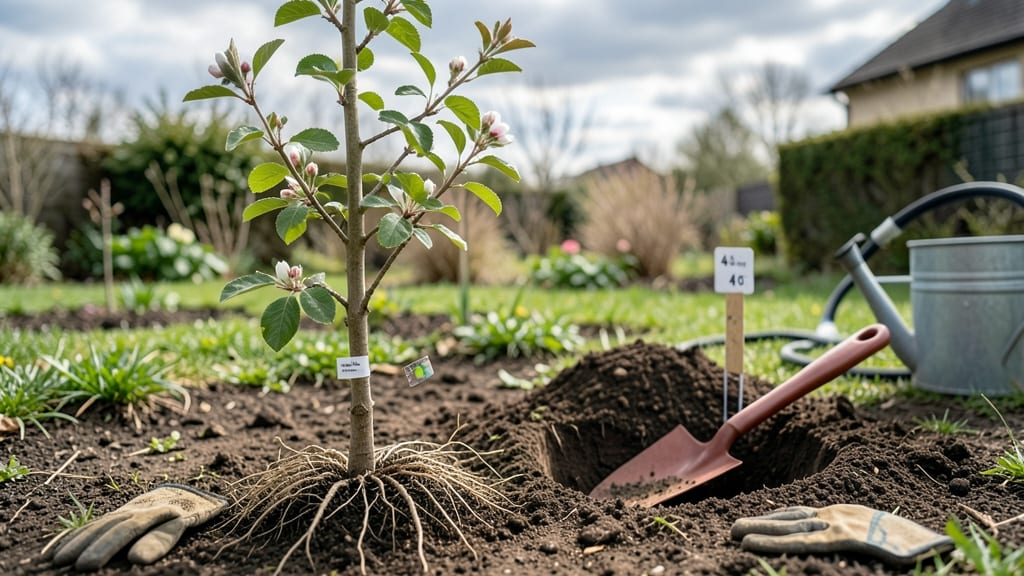
Planting an apple tree in Zone 5 at the wrong time can mean the difference between a thriving 🍎 orchard and a sad, frost-bitten sapling.
The key isn't just picking a season—it's understanding your local frost dates, chill hour requirements, and soil conditions to give your tree the best shot at survival and fruit production.
Most gardeners in Zone 5 assume early spring is the only option, but fall planting actually gives young trees a head start.
I’ll walk you through the exact 2-week window in both seasons when soil is warm enough and frost risks are lowest, plus how to adjust for late frosts that can sneak up even in May.
Whether you’re planting a bare-root sapling or a container-grown tree, timing matters differently. A bare-root tree needs cooler soil, while potted trees can handle slightly warmer conditions. I’ll break down the critical differences so you don’t make the common mistake of planting too early and shocking your tree’s roots.
Ready to set your apple tree up for success? Let’s dive into the Zone 5 planting calendar, including how to check your last frost date and pick the perfect variety for your microclimate—so you can enjoy homegrown apples in just a few years.
Zone 5 apple tree planting dates: frost-free deadlines & chill hour requirements
Timing your apple tree planting in Zone 5 hinges on two critical factors: chill hours and frost-free deadlines. Most Zone 5 varieties need 300–1,000 chill hours (temperatures between 32°F–45°F) to flower properly.
Planting outside this window risks poor fruit set or winter dieback. Let’s break down the ideal windows and how to calculate your local frost dates.
In Zone 5, the primary planting windows are early spring (March–April) and early fall (September–October). Spring planting lets roots establish before summer heat, while fall planting allows roots to grow before winter dormancy.
Both windows avoid the last spring frost (typically mid-May in most Zone 5 regions) and the first fall frost (usually mid-October).
🌱 Pro Tip: Use the USDA Plant Hardiness Zone Map and NOAA frost calendars to pinpoint your exact last frost date. For example, Chicago (Zone 5b) averages its last frost around April 20th, while Boston (Zone 6a) sees it by April 15th.
Planting 2–3 weeks after your local last frost date ensures your tree isn’t shocked by late frosts.
| Planting Window | Key Considerations | Zone 5 Regions |
|---|---|---|
| Early Spring (March–April) | Soil temp ≥40°F; avoid late frosts. Ideal for bare-root trees. | Midwest (e.g., Des Moines), Northeast (e.g., Syracuse) |
| Early Fall (September–October) | 6–8 weeks before first frost; roots establish before dormancy. | Great Lakes (e.g., Detroit), Northern Plains (e.g., Minneapolis) |
| Chill Hours Requirement | 300–1,000 hours below 45°F. Verify variety matches your zone. | All Zone 5 regions |
| Soil Temperature | ≥40°F for spring; 50–60°F for fall planting. | Varies by microclimate (urban vs. rural) |
Chill hours are non-negotiable for apple trees. For example, ‘Honeycrisp’ needs 600–800 chill hours, while ‘McIntosh’ thrives with 400–600 hours. If you’re in a Zone 5b area (warmer microclimate), opt for low-chill varieties like ‘Liberty’ (300–500 hours).
Use your local agricultural extension office for precise chill hour data.
Another critical factor is soil temperature. Planting when soil is too cold (below 40°F) stalls root growth. Use a soil thermometer to confirm temps are ideal. In spring, aim for 40–50°F; in fall, 50–60°F is perfect.
Cold soils + warm air = root shock, which weakens your tree’s ability to handle winter.
🌿 Example: In Madison, WI (Zone 5a), the last frost is typically May 10th. Planting in late April gives roots 6 weeks to establish before summer heat.
For fall planting, September 15th–October 1st is ideal—roots grow until the first frost (October 15th), but the tree enters dormancy before winter damage.
Container-grown apple trees offer flexibility but require soil preparation. Amend native soil with compost and organic matter to improve drainage. Bare-root trees, on the other hand, need immediate watering to rehydrate roots.
Both types benefit from a 5–7 day acclimation period if moving from a nursery pot to the ground.
💡 Key Takeaway: The best planting window in Zone 5 is 2–3 weeks after your last frost date (spring) or 6–8 weeks before your first frost (fall). Always verify chill hours for your chosen variety and monitor soil temperature to avoid planting too early.
With the right timing, your apple tree will establish strong roots and reward you with fruit in 3–5 years!
How to adjust planting timing for Zone 5 microclimates & soil conditions
Zone 5’s variable frost patterns and urban vs. rural microclimates can shift your apple tree’s ideal planting window by 2-4 weeks. In cities like Chicago or Detroit, heat islands delay last frosts by up to 10 days compared to rural areas.
Always verify your local frost dates using the NOAA Frost Calculator or your USDA Plant Hardiness Map.
For bare-root trees, plant in early spring (March–April) when soil temps hit 40°F (4°C)—this gives roots 6-8 weeks to establish before summer heat. Container-grown trees can go in 2 weeks earlier since their roots aren’t shocked by transplanting. Fall planting (September–October) works too, but finish by 6 weeks before first frost to avoid winter stress.
Soil drainage is critical in Zone 5. Apple trees hate soggy roots, so amend clay-heavy soil with compost or sand to improve aeration. Test your soil’s pH—aim for 6.0–7.0. If it’s too acidic (below 5.5), add lime 3 months before planting. Well-draining soil reduces root rot risks, especially in wet springs common to Zone 5.
Extend your planting window with mulch or cold frames. Apply 4–6 inches of mulch (straw or wood chips) to insulate roots in early spring or protect young trees from late frosts. In urban gardens, south-facing walls absorb heat, creating microclimates 5–10°F warmer—ideal for early spring planting.
Monitor your tree’s progress: New leaves by May mean it’s thriving; wilting by June signals stress.
Common Zone 5 mistakes to avoid:
- Planting in frost pockets (low areas where cold air settles).
- Skipping soil tests—apple trees need balanced nutrients.
- Overwatering in fall (leads to root rot before winter).
Pro tip: Label your planting date and track growth. In Zone 5, trees planted in early April often fruit 2 years sooner than those planted in late May. Adjust for your local microclimate—and your apple tree will reward you with decades of harvests! 🍏🌱