
Trees
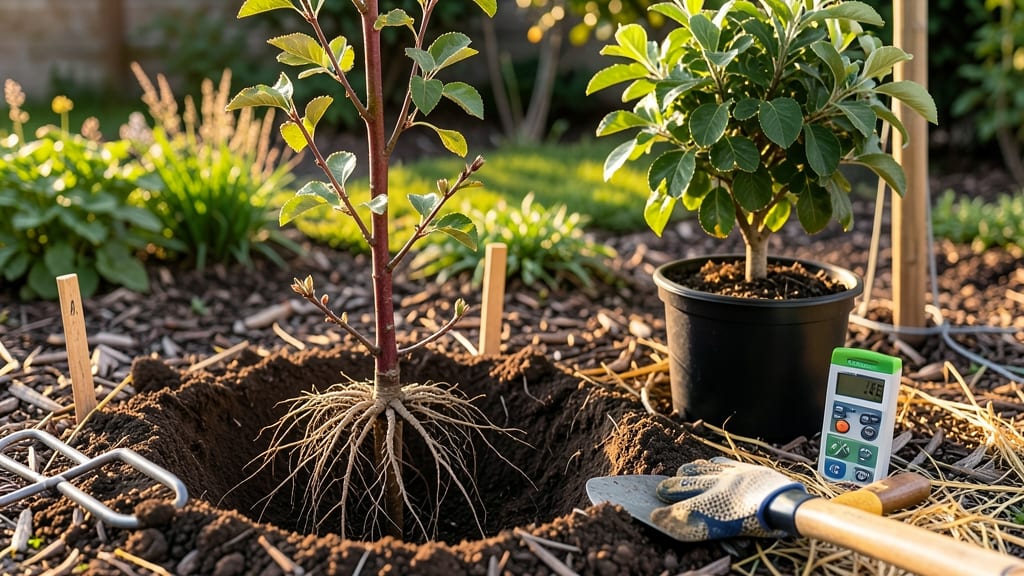
Planting an apple tree 🍎 in North Carolina isn’t just about grabbing a sapling and sticking it in the ground—timing makes all the difference between a thriving orchard and a sad, withered loss.
The state’s unique climate zones (6a to 8b) mean your March planting window in the mountains won’t match the April deadline in the Piedmont, and getting it wrong can cost you years of fruit.
Most gardeners assume "spring" is the only answer, but North Carolina’s chill-hour requirements—where some varieties need 500 hours and others demand 1,000+—add another layer of complexity.
A Fuji planted too early in Zone 6a might not survive the late frosts, while a Gala in Zone 8b could bolt before winter if you wait too long.
I’ve spent years tracking frost dates and soil temps across the state, and what I’m about to share will help you avoid the 3 most common mistakes that kill young trees before they even bear fruit.
Whether you’re planting bare-root saplings in February or container-grown trees in May, these insights will give your orchard the best possible start.
Ready to turn your backyard into a productive apple grove? Let’s break down the exact planting windows, variety matches, and soil prep steps that work for your specific North Carolina zone—so you can enjoy fresh fruit in just a few years, not decades.
North Carolina’s chill-hour zones: how to match apple varieties for success
North Carolina spans USDA Zones 6a to 8b, creating a diverse climate where chill-hour requirements (the number of hours below 45°F needed for fruit production) make all the difference.
If you plant a variety that needs 800 chill hours in a Zone 8b area with only 500, you’ll end up with no apples—just beautiful blossoms that fail to set fruit.
Most apple varieties need between 500 and 1,000 chill hours, but North Carolina’s three distinct regions (Coastal, Piedmont, Mountains) each demand different varieties. For example, Fuji apples thrive in Zone 6a (Mountains) with 900+ chill hours, while Gala apples adapt better to Zone 7b (Piedmont) with 600-700 chill hours.
Here’s how to match your location to the right variety:
If you’re unsure about your chill-hour total, check with your local Cooperative Extension Service—they often have weather station data for precise numbers. For example, Asheville (Zone 6b) averages 950 chill hours, while Wilmington (Zone 8b) sees only 500-550.
Another critical factor is rootstock compatibility. Dwarf varieties like M.9 rootstock need fewer chill hours than standard trees, making them ideal for Zone 8b areas. Always pair your chosen variety with the right rootstock to ensure both fruit production and tree health.
For bearers of fruit, prioritize varieties that match your local microclimate. A tree planted in a sunny, sheltered spot may need 100 fewer chill hours than one in a windy, low-lying area. Use a weather app with chill-hour tracking to monitor your specific location.
Pro tip: If you love Fuji apples but live in Zone 8a, consider planting near a north-facing wall or in a shadier microclimate to mimic cooler mountain conditions. This trick can add 50-100 extra chill hours to your garden.
Finally, always plant after the last frost date but before bud break. In Zone 6a, this means late March to early April, while Zone 8b gardeners can plant as early as mid-February. Timing your planting with soil temperatures above 40°F ensures roots establish quickly.
🍎
Optimal planting windows by North Carolina region: frost-free deadlines & soil prep
North Carolina’s diverse climate means your apple tree planting window varies dramatically from the Coastal Plain to the Mountains. In Zone 8b (Coastal), you can plant as early as February, while Zone 6a (Mountains) waits until April.
Always check your local last frost date—Coastal areas average March 15, while higher elevations may see frost until April 15.
For bare-root trees, plant in late winter (before buds swell) to give roots time to establish before spring growth. Container-grown trees can wait until early spring (after frost risk passes). In Piedmont regions, aim for March 1–April 15—this balances soil warmth and moisture without risking late frosts.
Soil temperature is critical: roots need 40°F+ to grow. Use a soil thermometer to confirm—Coastal soils warm faster than Mountain soils. Amend heavy clay with compost or sand to improve drainage, and test pH (6.0–7.0) for optimal nutrient uptake.
🌱 North Carolina Planting Timeline by Region
- 📅 Coastal Plain (Zone 8a–8b): Plant February–March (soil temps reach 45°F+ by mid-February).
- 📅 Piedmont (Zone 7a–7b): Plant March 1–April 15 (last frost: early April).
- 📅 Mountains (Zone 6a–7a): Plant April 1–May 1 (soil temps lag; frost risk extends to late April).
⚠️ Pro Tip: Mulch with wood chips (3–4 inches) to retain moisture and regulate soil temperature.
Fall planting is risky in NC but possible in Zone 7b+ (Piedmont/Coastal) if you plant 6–8 weeks before first frost. Choose dwarf varieties like ‘Honeycrisp’ or ‘Fuji’ for faster establishment. Water deeply 2–3 times per week after planting to encourage root growth.
In Mountain regions, prioritize cold-hardy varieties like ‘McIntosh’ or ‘Cortland’, which tolerate Zone 6a’s lower chill hours (500–600 hours). Avoid planting in wet, cold soils—wait for temperatures above 45°F to prevent root rot.
After planting, stake young trees if needed (especially in windy Piedmont sites) and apply a 2-inch mulch ring to suppress weeds. Monitor for apple scab and codling moths, common in NC’s humid summers—organic sprays like neem oil can help prevent issues.