
Plants
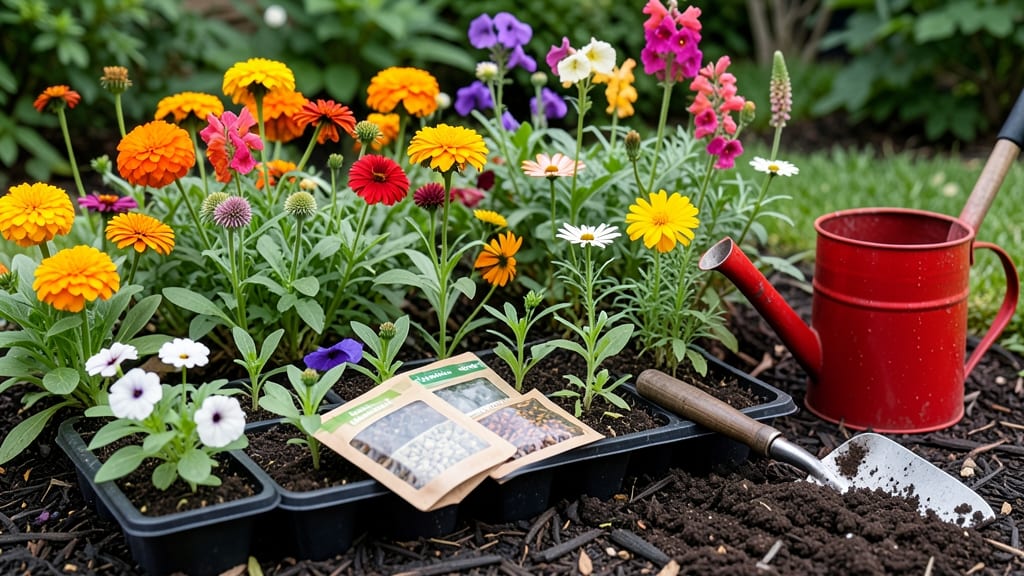
Planting annuals in Virginia at the wrong time can mean the difference between a vibrant garden and a sad, wilted disappointment.
With Virginia’s 6a-8a zones offering everything from coastal breezes to mountain chill, timing is everything. Skip the frost-free window, and your 🌸 marigolds or zinnias might never reach their full potential—or worse, bolt before summer even begins.
I’ve grown annuals in Virginia for years, and the secret isn’t just about dates—it’s about matching your plants to the right microclimate.
Whether you’re in the Piedmont’s warmer pockets or the Blue Ridge’s cooler valleys, this guide gives you the exact windows for cool-season starts (like pansies) and warm-season powerhouses (like sunflowers).
Ready to avoid the most common mistakes? Let’s dive into the precise planting schedule that’ll have your garden thriving all season long.
Virginia’s frost-free planting deadlines by USDA heat Zone (5a–8a)
Virginia’s USDA heat zones range from 5a (coolest) in the mountains to 8a (warmest) along the coast, meaning your last frost dates can vary by 3+ weeks.
In Zone 5a (e.g., Roanoke), expect frost until April 15, while Zone 8a (e.g., Norfolk) typically sees its last freeze by March 1. Knowing these deadlines helps you avoid frost damage to tender annuals like marigolds or tomatoes.
Below, I’ve broken down the ideal planting windows for both cool-season and warm-season annuals by zone.
For cool-season annuals (e.g., pansies, lettuce, kale), you can start seeds 6–8 weeks before your last frost. In Zone 6a (Richmond), that’s mid-January indoors or early March outdoors.
Warm-season varieties like zinnias or basil must wait until 2 weeks after your last frost—so mid-April in Zone 7a (Charlottesville) but early May in Zone 5a. Always check your local microclimate: valleys freeze later, while south-facing slopes warm up faster.
| USDA Zone | Last Frost (Avg.) | Cool-Season Planting | Warm-Season Planting | Soil Temp (Min) |
|---|---|---|---|---|
| 5a (e.g., Roanoke) | April 15 | Start seeds: Feb 15 (indoor) Outdoor: April 1 |
After May 15 (soil 60°F+) | 45°F |
| 6a (e.g., Richmond) | March 25 | Start seeds: Jan 15 (indoor) Outdoor: March 15 |
After April 15 (soil 60°F+) | 50°F |
| 7a (e.g., Charlottesville) | March 15 | Start seeds: Jan 1 (indoor) Outdoor: March 1 |
After April 1 (soil 60°F+) | 55°F |
| 7b (e.g., Lynchburg) | March 1 | Start seeds: Dec 15 (indoor) Outdoor: Feb 20 |
After March 20 (soil 60°F+) | 55°F |
| 8a (e.g., Norfolk) | February 28 | Start seeds: Nov 15 (indoor) Outdoor: Jan 15 |
After March 1 (soil 60°F+) | 60°F |
Your soil temperature is just as critical as frost dates. Most warm-season annuals (e.g., tomatoes, peppers) won’t germinate below 60°F.
In Zone 6a, wait until mid-April when soil hits 65°F—test with a soil thermometer or the finger test: push your finger 2 inches deep; if it feels warm (not cold), it’s ready. For cool-season crops, aim for 45–55°F soil to avoid rot or slow growth.
Pro tip: Use black plastic mulch or row covers to warm soil faster in cooler zones. In Zone 5a, I’ve seen marigolds planted under clear plastic bloom 2 weeks early compared to uncovered beds. Always harden off seedlings for 7–10 days before transplanting to avoid shock from temperature swings.
How to extend your Virginia planting season for annuals
Virginia’s short but intense growing season can feel like a race against time—especially when you want continuous blooms or a long harvest. The good news?
With the right tricks, you can push your planting windows earlier in spring or later in fall, giving your annuals more time to shine. I’ve tested these methods in my own garden, and they’ve added 4-6 weeks to my season without risking frost damage.
One of my favorite strategies is using row covers or cold frames to protect tender seedlings. These simple tools can raise soil temperatures by 5-10°F, letting you plant cool-season crops like lettuce or pansies as early as February in warmer zones (7a-8a).
In cooler areas (6a), aim for late March with protection—just remove covers once nighttime temps stay above 30°F.
For fall extensions, focus on heat-tolerant varieties and succession planting. Start warm-season annuals like zinnias or cosmos in mid-August (instead of June) to avoid the brutal July heat.
These varieties thrive in 75-85°F soil and can handle light frosts if planted by September 1st in most of Virginia.
🌱 Top 5 Strategies to Extend Your Virginia Planting Season
- Cold frames: Start cool-season crops 4-6 weeks earlier by trapping heat. Ideal for spinach, kale, or pansies.
- Row covers: Protect seedlings from light frosts (down to 25°F) while allowing sunlight. Remove when danger passes.
- Succession planting: Sow fast-growing annuals (like radishes or lettuce) every 2 weeks for continuous harvests.
- Heat-tolerant varieties: Choose drought-resistant annuals (e.g., celosia, portulaca) for late-summer planting.
- Container gardening: Move pots to sheltered spots or indoors at night to extend fall blooms.
Don’t overlook microclimates—your garden’s sunniest, warmest spots can be 2-3 weeks ahead of the average frost date. For example, a south-facing slope might support tomatoes or peppers planted in early April when flatter areas still risk frost.
Use these pockets to plant heat-lovers first and save cooler spots for delicate annuals like impatiens.
For late-season rescues, try mulching heavily with straw or leaves to insulate roots. This can delay first frost damage by 10-14 days for annuals like cosmos or marigolds. Pair this with drip irrigation to keep soil moist—dry soil conducts cold, accelerating frost injury.
Pro tip: Keep a garden journal to track your local microclimates. Note which spots thaw fastest in spring or retain heat longest in fall. Over time, you’ll spot patterns that let you plant with confidence, even outside the "typical" windows.