
Plants
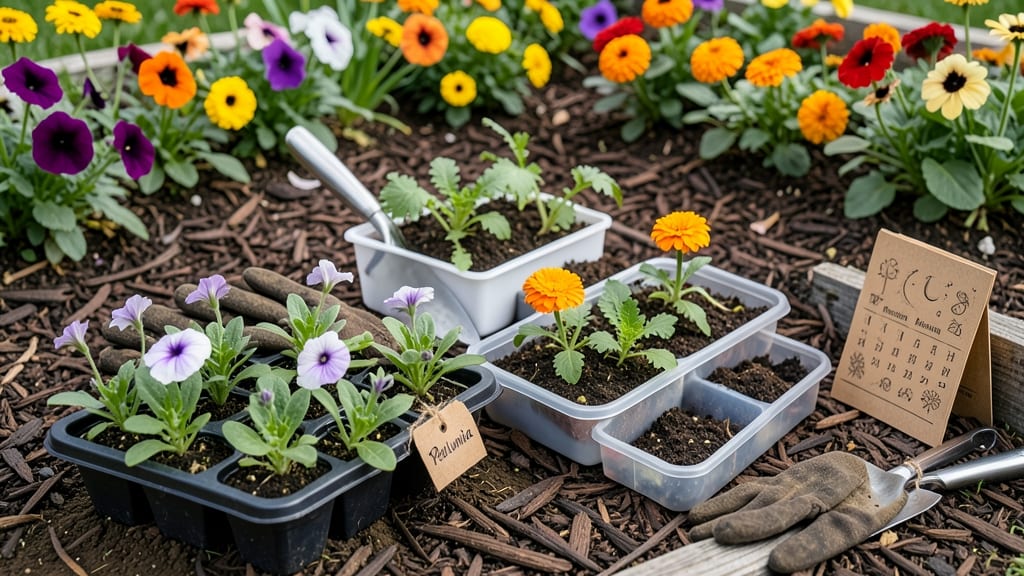
Planting annuals in Connecticut at the wrong time can mean the difference between a vibrant garden and a sad, frost-nipped disappointment. With last frost dates creeping as late as April 15 in Zone 6a and summer heat arriving early, timing is everything—but getting it right unlocks a garden bursting with 🌸 color from May through October.
You’ve probably heard the rule: “Wait until after the last frost.” But in Connecticut, where microclimates vary wildly from coastal breezes to inland heat pockets, that advice isn’t enough.
The key lies in understanding your specific zone, choosing heat-tolerant varieties, and using simple tricks to stretch your planting season—whether you’re sowing marigolds for summer blooms or snap peas for spring harvests.
Here’s what I’ve learned after years of testing: The best annuals for CT thrive when planted in two critical windows—spring (after April 15) and late summer (July–August)—with a few heat-loving picks that can handle the state’s unpredictable swings.
Let’s break down exactly when to plant, which varieties perform best, and how to protect your garden from frost surprises or scorching heat.
From soil prep to succession planting, I’ll share the exact strategies Connecticut gardeners use to maximize blooms, extend harvests, and avoid common mistakes. Ready to turn your yard into a showstopper? Let’s get started.
Connecticut frost-free dates by Zone: exact planting windows for annuals
Connecticut spans USDA Hardiness Zones 5b to 7a, meaning frost dates vary dramatically across regions. In western CT (Zone 6a), the average last frost date is April 15, while coastal areas (Zone 7a) can see frost-free conditions by April 1.
These differences mean your Hartford garden may have a 3-week window earlier planting than New London.
For cool-season annuals like lettuce or pansies, you can start seeds indoors 6-8 weeks before your last frost date. Warm-season plants (tomatoes, marigolds) need to wait until soil temperatures hit 50°F (10°C)—typically mid-May in most of CT.
Use these frost-free timelines to avoid losing your investment to late frosts.
🌱 PRO TIP: Check the CT Agricultural Experiment Station for real-time updates—some years, frost lingers until May 10!
If you’re planting vegetables like tomatoes or peppers, wait until two weeks after your last frost date—these heat-lovers need consistent warmth to thrive. For flowers like zinnias or marigolds, you can start seeds indoors 4-6 weeks before your last frost, then transplant after the danger has passed.
For fall planting, aim to sow seeds 90 days before your first frost date. In Zone 6a, that’s July 15 for most annuals. Kale, spinach, and pansies are excellent choices—they tolerate light frosts and even sweeten in cold weather!
🌡️ WATCH FOR: CT’s heat waves in June can delay planting. If temperatures exceed 85°F (29°C), hold off until evenings cool—seedlings can bolt or wilt.
Use succession planting to maximize your garden’s potential. For example, sow bush beans every 2 weeks from May 15 to July 1 to ensure a continuous harvest. Lettuce and radishes also benefit from staggered plantings to avoid bolting in summer heat.
For container gardening, you can extend your season by 2-3 weeks—containers warm up faster in spring and cool down quicker in fall. Place pots near south-facing walls to capture extra heat during cool nights.
📅 REMINDER: Always check the National Weather Service or local CT extension office for 10-day forecasts before planting. A late frost in May can wipe out tender seedlings overnight!
By aligning your planting schedule with CT’s frost-free dates and adjusting for microclimates, you’ll enjoy longer blooms, bigger harvests, and fewer losses to unpredictable weather. Start with these zone-specific windows, and soon your garden will be the envy of the neighborhood! 🌸
Heat-tolerant annuals for CT summers: best varieties that thrive after frost
Once Connecticut’s last frost passes (usually by April 15 in Zone 6a), the real challenge begins: selecting annuals that won’t wilt in the state’s humid, often scorching summers.
Many popular flowers and veggies bolt or fade when temperatures climb above 85°F (29°C), but these heat-tolerant picks will keep your garden vibrant from June through October.
I’ve tested these varieties in my own CT garden—some, like zinnias, thrive even when other flowers droop. The secret? Choosing slow-blooming types and providing afternoon shade during peak heat. Here’s my curated list of top performers for Connecticut summers, along with planting tips to avoid wilting or bolting.
- 🌼 Zinnias – Dazzling blooms that thrive in heat and attract pollinators. Plant after May 15 for continuous color until frost.
- 🌻 Marigolds – Disease-resistant and pest-repelling. Ideal for container gardens or borders; sow directly after last frost.
- 🍅 Okra – A heat-loving vegetable that produces pods in 60 days. Start seeds in late May for a summer harvest.
- 🌿 Sweet Potatoes – Edible foliage and tubers that love humidity. Plant slips after June 1 for a fall harvest.
- 🌸 Celosia – Velvet-like blooms that don’t wilt in heat. Perfect for cut flowers or borders.
- 🍆 Peppers (Jalapeño, Bell) – Spicy or sweet varieties that need full sun. Transplant after May 20 for best results.
- 🌺 Portulaca (Moss Rose) – Succulent-like plants that store water and bloom in heat. Ideal for rock gardens.
- 🌿 Basil – Herb that loves heat but bolts quickly. Sow after May 1 and harvest leaves regularly.
For extended blooms, opt for slow-blooming varieties like zinnias ‘Benary’s Giant’ or marigolds ‘French Marigold’. These stay vibrant longer than fast-blooming types. Mulch heavily with straw or wood chips to retain moisture and keep roots cool—this is especially critical in CT’s clay-heavy soils, which dry out quickly.
💧 WATERING TIP: Water deeply in the morning (before 10 AM) to reduce evaporation. Avoid overhead sprinkling—it promotes fungal diseases in humid summers. Use drip irrigation for containers or in-ground plantings.
If you’re craving color in late summer, don’t overlook fall-blooming annuals like cosmos or sunflowers. Sow these in July for September-October blooms—they’ll add cheer as temperatures cool. Pair them with kale or pansies for a frost-resistant display.
🌡️ HEAT HACK: Provide afternoon shade (with lightweight shade cloth) for delicate plants like petunias or geraniums if temperatures exceed 90°F (32°C). This simple trick can double their lifespan in CT’s summer heat.
By choosing these heat-tolerant annuals and adjusting your care routine, you’ll enjoy a lush, colorful garden from June through October—no wilting in sight! 🌻