
Plants
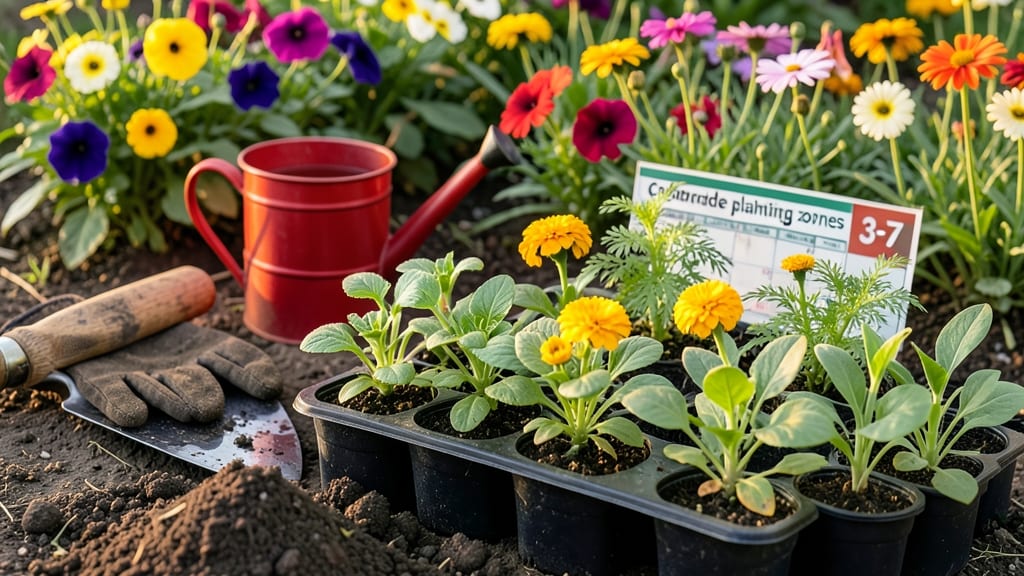
Timing your annuals planting in Colorado isn’t just about following a calendar—it’s about outsmarting frost, elevation shifts, and those sudden late-spring snowflakes that can turn your garden dreams into a sad, brown memory.
With USDA zones 5-7 throwing curveballs and microclimates making every yard unique, knowing exactly when to plant could mean the difference between a showstopping 🌸 display and a season of disappointment.
Let’s cut through the guesswork: Whether you’re in the Front Range’s 50°F soil or the Western Slope’s cooler pockets, I’ll break down the precise windows—April 15 to May 15 for spring and August 1 to September 15 for fall—that keep your annuals thriving while dodging frost.
No more waiting until it’s too late or rushing seeds into cold ground.
You’ll also discover the top 10 cold-hardy annuals that actually survive Colorado’s quirks—think snapdragons that shrug off chilly mornings and pansies that laugh at frost—plus how to stretch your planting season with simple tricks like row covers and smart soil prep.
Ready to turn your garden into a year-round blooming masterpiece?
By the end, you’ll have a region-specific checklist so foolproof, even your neighbor’s “I planted in March and it might work” approach will look risky. Let’s get those seeds in the ground right—before the next surprise snow hits.
Colorado’s frost dates by region: exact weeks to plant annuals safely
Colorado’s diverse climate—from the Front Range to the Western Slope—means frost dates vary dramatically. In Denver (Zone 5b), the last spring frost typically arrives by April 15, while Grand Junction (Zone 7a) can plant as early as March 15.
High-altitude areas like Boulder (Zone 6a) often see frost until May 1, delaying planting by weeks. Always check your local USDA zone and microclimate (urban areas warm faster than rural spots).
For fall plantings, aim for August 1–September 15, but wait until after the first frost date, which hits October 15 in Denver and earlier in higher elevations.
Use these dates as guidelines—soil temperature (not air temp) is the real indicator. Stick your finger in the soil: if it’s below 50°F, wait a few more days.
Urban gardens in Colorado Springs (Zone 6b) often experience 10–14 days earlier last frosts than surrounding rural areas due to the heat island effect. If you’re unsure, use frost-sensitive annuals (like tomatoes) as test plants—if they survive, your garden is safe for heat-loving varieties.
🌱
| Region | USDA Zone | Last Frost Date | First Frost Date | Safe Planting Window |
|---|---|---|---|---|
| Front Range (Denver, Boulder) | 5b–6a | April 15–May 1 | October 15–20 | April 20–May 15 (spring) / August 1–Sept 15 (fall) |
| Western Slope (Grand Junction, Durango) | 7a–7b | March 15–April 1 | October 30–Nov 5 | March 20–April 15 (spring) / July 15–Aug 30 (fall) |
| Eastern Plains (Pueblo, Lamar) | 6a–6b | April 1–April 15 | October 10–15 | April 15–May 1 (spring) / August 1–Sept 10 (fall) |
| High Altitude (Above 7,000 ft) | 4a–5a | May 1–May 15 | September 20–Oct 5 | May 20–June 1 (spring) / July 15–Aug 10 (fall) |
To pinpoint your exact last frost date, use the Almanac’s Frost Calculator or track local weather stations. In Denver, for example, the 10-year average last frost is April 15, but urban areas like Aurora can be 5–7 days earlier.
If you’re in Zone 5a or higher elevations, opt for cold-hardy annuals like pansies or snapdragons to extend your season.
For fall plantings, prioritize heat-tolerant varieties like zinnias or marigolds, which can handle 80°F+ soil temps. Start seeds indoors
Top 10 cold-hardy annuals for Colorado gardens and their ideal planting windows
Colorado’s short growing season demands annuals that tolerate frost and thrive in USDA Zones 5-7. These 10 cold-hardy varieties bloom reliably from spring to fall, with some surviving light frosts. Plant them at the right time to maximize survival and vibrant color all season.
For spring plantings, aim for mid-April to mid-May after the last frost date. Fall plantings should happen between August 1 and September 15 to ensure blooms before the first frost. Always check your local microclimate—urban areas may warm faster than rural spots.
⚠️ NON-NEGOTIABLE: Soil temperature must reach at least 50°F (10°C) for most annuals to germinate successfully. Use a soil thermometer to avoid planting too early.
Plant March 15–April 15 (cold-hardy to 20°F). Thrives in partial shade and attracts pollinators. Sow directly in garden—no transplanting!
Plant August 15–September 15 for fall color or April 1–May 15 for spring. Tolerates light frost down to 25°F.
Direct-sow April 1–May 15 or August 1–September 1. Prefers cool weather—avoid planting in July heat.
Sow April 15–May 30 or July 15–August 15. Edible petals repel pests and thrive in full sun.
Direct-sow March 15–April 15 for early blooms. Needs well-draining soil—avoid clay-heavy areas.
For high-altitude gardens (above 7,000 ft), delay spring plantings until May 1 to avoid late frosts. Successional planting every 2–3 weeks ensures continuous blooms. Pair cold-hardy annuals with perennials like coneflowers for year-round interest.
Always mulch lightly after planting to retain soil moisture and protect roots from temperature swings. Water deeply in the morning to reduce fungal risks—especially for pansies and snapdragons in humid Colorado summers.