
Plants
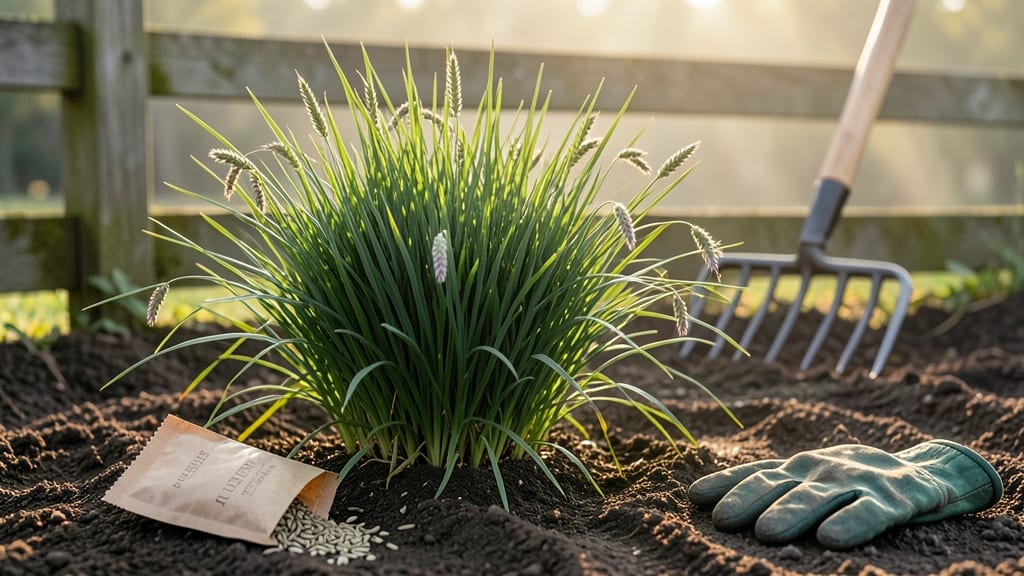
Planting annual ryegrass at the wrong time in Texas can leave you with patchy lawns or wasted effort. This fast-growing grass thrives when planted in the fall months, but getting the timing right means the difference between a lush green cover and struggling seedlings.
In Texas's 8a-10b zones, the ideal window runs from August through October—just before the first frost hits. This gives the 🌱 annual ryegrass enough time to establish deep roots before winter dormancy, ensuring it bounces back stronger in spring.
Whether you're overseeding for erosion control or improving your lawn's winter resilience, the key is planting 4-6 weeks before frost. North Texas needs to start earlier than South Texas, and soil temperatures play a bigger role than you might expect.
I'll break down the exact planting schedule for your region, plus soil prep tips and common mistakes to avoid. Let's make sure your annual ryegrass takes hold the way it should—fast and strong.
Best fall planting months for annual ryegrass in Texas regions
Texas's diverse climate means the perfect time to plant annual ryegrass varies by region. Whether you're in North Texas, Central Texas, or South Texas, understanding your local frost dates and soil temperatures is key to success.
Planting too early in scorching summer heat or too late before winter can stunt growth, leaving your lawn thin and patchy. Let’s break down the ideal fall planting window for each region to ensure your ryegrass establishes strong roots before winter dormancy.
Annual ryegrass thrives when soil temperatures drop below 85°F but stay above 50°F. This sweet spot occurs in late summer to early fall, typically between August and October. However, Texas’s USDA zones 8a-10b create microclimates where timing can shift by weeks.
For example, North Texas (like Dallas or Fort Worth) has a longer growing season, while South Texas (Houston or San Antonio) faces earlier frosts. Let’s dive into the specifics for each region.
🌱
If you’re unsure about your exact first frost date, check the National Weather Service or local agricultural extension office for your city. Planting 4-6 weeks before frost gives annual ryegrass enough time to germinate and develop a 3-inch root system, which is crucial for surviving Texas winters.
For example, in Dallas, aim for early October planting, while Houston gardeners should plant by mid-August.
Microclimates within cities can also affect timing. Areas near lakes or rivers (like Austin’s Lady Bird Lake) may have 2-3°F warmer soil temperatures than inland spots, extending your planting window by a week or two.
Conversely, urban heat islands (like San Antonio’s downtown) can keep soil warmer longer, so adjust accordingly.
One common mistake is planting too late in fall, which can leave ryegrass struggling to establish before winter. If you miss the ideal window, consider spring planting in February-March, though fall is always preferred for root development and winter hardiness.
Just remember: cooler soil temps slow germination, so avoid planting when nights dip below 50°F.
For erosion control or cover cropping, plant annual ryegrass as early as possible within the window. If your goal is a lush winter lawn, prioritize September planting for maximum growth before the holidays. Either way, timing is the #1 factor in whether your ryegrass thrives or fizzles.
🌿
Pro tip: Use a soil thermometer to confirm temps are
Best fall planting months for annual ryegrass in Texas regions
Texas’s diverse climate means annual ryegrass planting times vary dramatically from North to South. In North Texas (USDA Zones 8a-8b), aim to plant between mid-August and early October—this gives seeds 4-6 weeks to establish roots before the first frost, usually around mid-November.
The key is avoiding late summer heat stress while ensuring soil temps stay above 55°F for germination.
For Central Texas (Zones 8b-9a), the window shifts slightly later: late August to mid-October. Here, first frosts hit December 1-15, so planting closer to October ensures strong root development before winter dormancy.
South Texas (Zones 9b-10b) can plant until early November, but watch for hurricane season delays—wait until after September 30 to avoid seed washout.
Soil temperature is your best indicator. Use a soil thermometer—ideal germination occurs at 60-75°F. In North Texas, this typically means planting by September 15, while South Texas can extend until October 30. Pro tip: Morning planting reduces heat stress on fresh seeds.
🌱 Texas Annual Ryegrass Planting Timeline by Region
| Region | Ideal Planting Window | Soil Temp for Germination | First Frost Date |
|---|---|---|---|
| North Texas | Mid-August - Early October | 60-75°F | Nov 15-Dec 15 |
| Central Texas | Late August - Mid-October | 65-75°F | Dec 1-15 |
| South Texas | Late August - Early November | 70-80°F | Dec 15-Jan 15 |
💡 Pro Tip: Adjust for microclimates—higher elevations (e.g., Hill Country) may need earlier planting.
Microclimates matter! If you’re in East Texas’s humid subtropical zone, plant by September 1 to avoid fungal pressure from excess moisture. Meanwhile, West Texas’s arid conditions allow later planting (until October 15) since drought stress is less of a concern.
Always check your local AgriLife Extension office for last-frost averages—they’re your best guide.
Timing isn’t just about frost—it’s about competition. Planting too late lets weeds steal nutrients and space. Aim for 60% soil coverage by December to outcompete them. In North Texas, this means starting seeds by September 1; in South Texas, you’ve got until October 15.
Remember: Annual ryegrass thrives on cool-season growth. Plant too early (June-July), and you’ll smother it with 100°F+ heat. Too late (November+), and roots won’t establish before winter dormancy. September-October is your golden window—just adjust the exact dates by your region.