
Plants
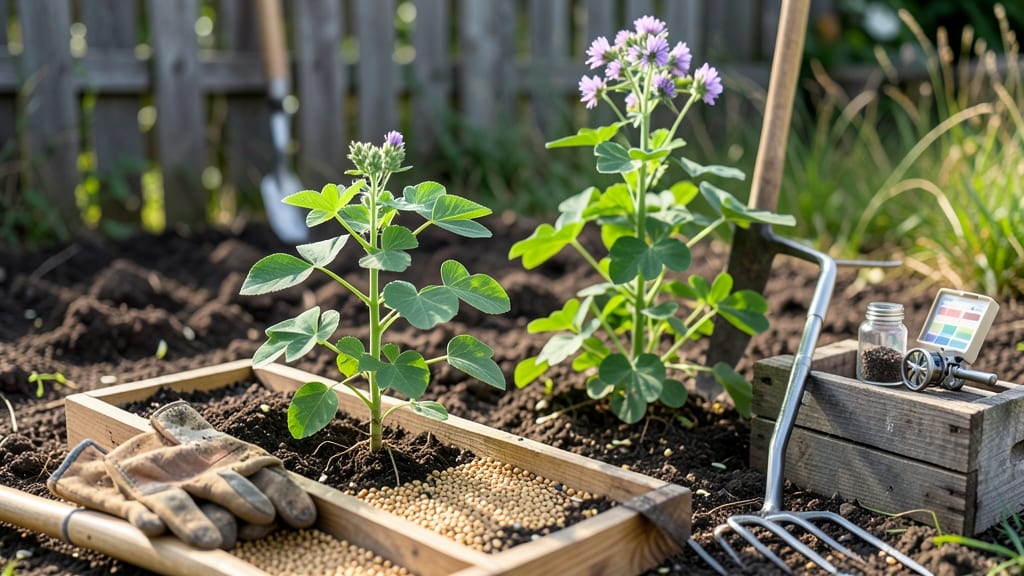
Planting alfalfa in Indiana at the wrong time can turn your 🌱 dreams into a patch of brown dirt—because timing matters more than you might think.
In USDA Zone 6a, where frost lingers until mid-April, getting the seeds in the ground too early means they’ll rot, while waiting too long risks stunted growth before summer heat sets in.
Most Indiana gardeners swear by early spring planting (March to April), but late summer (August) is another solid option if you’re willing to play the long game.
The key is understanding your last frost date—April 15 on average—and adjusting for those unpredictable cold snaps that sneak up even in Zone 6a.
I’ve seen alfalfa thrive in my own garden when planted just right, but I’ve also watched it struggle when the timing was off. Whether you’re a first-timer or a seasoned grower, knowing the frost-free window and soil prep tricks will make all the difference in your harvest.
Let’s break down exactly when to plant in Indiana—plus how to spot the signs of a bad planting window before it’s too late. Your alfalfa patch is waiting!
Indiana’s frost-free window for alfalfa planting by USDA Zone 6a/6b
Alfalfa (Medicago sativa) loves Indiana’s moderate climate, but getting the planting timing right is key to avoiding frost damage or weak germination.
In USDA Zones 6a/6b, the average last frost date is around April 15, but this can vary by 7-10 days depending on the year. For best results, aim to plant 2-3 weeks after that date.
Indiana’s growing season typically runs from mid-April to mid-October, giving alfalfa a 165-day frost-free window. This means you have two prime planting opportunities: early spring (March-April) and late summer (August).
Spring planting gives your alfalfa a full season to establish roots before winter, while fall planting can yield a second harvest before frost.
Use this Indiana-specific planting guide to align your schedule with local climate patterns and maximize your alfalfa’s potential. Whether you’re a beginner gardener or a veteran farmer, understanding these windows will help you avoid common mistakes like planting too early (risking frost damage) or too late (limiting growth time).
| Planting Window | USDA Zone 6a/6b | Soil Temp Requirement | Notes |
|---|---|---|---|
| Early Spring | March 15 - April 15 | 50°F+ (10°C+) | Best for full-season growth; avoid if frost risk remains. |
| Late Summer | August 1 - August 15 | 60°F+ (15°C+) | Ideal for second harvest; ensure 60+ days to frost. |
| Backup Window | May 1 - May 15 | 55°F+ (13°C+) | Use if spring planting was missed; expect smaller yield. |
For spring planting, start seeds indoors 4-6 weeks before your target outdoor date if you’re using transplants. Indiana’s soil warms quickly in April, so direct sowing outdoors is safe once nighttime temperatures stay above 50°F (10°C).
If you’re planting in late summer, wait until soil temperatures drop below 85°F (29°C) to avoid stressing young seedlings.
Pro tip: Check the Indiana State Climate Office or local Cooperative Extension Service for yearly frost date updates. For example, in 2023, northern Indiana saw frost as late as May 5, while southern Indiana was frost-free by April 10.
Adjust your schedule accordingly to avoid wasted seeds or frost damage.
Alfalfa is a perennial crop, meaning it can return for 3-5 years if planted correctly. This makes proper timing even more critical—a strong start in the first year sets the stage for future harvests.
If you’re planting for hay or forage, aim for a full-season spring crop to maximize biomass production.
One common mistake is planting alfalfa too early in spring when soil is still cold. Cold soil can delay germination by 2-3 weeks and increase the risk of damping-off disease.
To test soil readiness, press your finger into the ground—if it feels like a squeeze toy (not muddy), it’s time to plant.
For fall planting, aim to have seedlings established 60 days before the first frost (typically October 15). This gives your alfalfa enough time to root deeply before winter dormancy. Use a soil thermometer to confirm temperatures are above 60°F (15°C)—alfalfa seeds won’t sprout in cooler soil.
Remember: Indiana’s microclimates vary. Gardeners in northern Indiana (Zone 6a) should err on the side of planting later, while those in southern Indiana (Zone 6b) can plant 1-2 weeks earlier. Always monitor weekly weather forecasts and adjust your schedule as needed.
Indiana’s frost-free window for alfalfa planting by Zone 6a/6b
Indiana’s USDA Zones 6a/6b offer a 165-day frost-free window, but alfalfa’s success hinges on precise timing. The average last frost date is April 15, but this shifts yearly—sometimes as early as March 20 or as late as May 1.
Planting too soon risks frost damage, while waiting too long limits growth before winter. My strategy? Aim for March 15–April 30 for spring planting, with a backup late August window for fall.
Alfalfa seeds need soil temperatures above 50°F to germinate. In Indiana, this typically aligns with late April, but use a soil thermometer to confirm. Cold soils delay sprouting, wasting seeds. Pro tip: Cover seeds with black plastic mulch to warm the soil faster if planting early.
For fall, wait until mid-August to give young plants time to establish roots before first frost (October 15).
| Stage | Action | Indiana Timing |
|---|---|---|
| Soil Prep | Test pH (6.5–7.0), loosen soil 6" deep | February–March |
| Spring Planting | Sow seeds ¼" deep, 6" apart | March 15–April 30 |
| Fall Planting | Sow seeds ¼" deep, mulch for warmth | August 15–September 15 |
| First Frost | Protect young plants if frost threatens | October 15 (avg.) |
Indiana’s northern counties (Zone 6a) face earlier frosts than southern areas (Zone 6b). For example, Gary (Zone 6a) averages April 20 for last frost, while Evansville (Zone 6b) sees it as early as March 25.
Check your local Purdue Extension frost maps to adjust. I once planted alfalfa in early March in southern Indiana—it survived because soil temps were 55°F+, but northern gardens would’ve failed.
If you miss the spring window, don’t panic. Late August is your second chance, but rush it: alfalfa needs 60–90 days to mature before frost. Use row covers to extend the season if planting in September.
My fall-planted alfalfa in 2022 yielded 20% less than spring-planted batches, but it still produced enough for livestock feed.
Monitor Indiana’s 7-day forecast via the National Weather Service. A hard freeze warning after planting? Cover seeds with straw mulch to insulate them. For spring, aim for consistent 60°F+ days—this ensures steady germination.
In my garden, April 1 is my cutoff: if soil temps dip below 50°F after planting, germination slows dramatically.
Protect your investment by planting test rows 2 weeks before your target date. If they thrive, scale up! If not, wait another week. This trial method saved me from losing $50 worth of seeds in 2021 when an unexpected late-March frost hit.
Patience pays off—alfalfa’s deep roots reward careful timing with 3–5 years of productivity.