
Planting
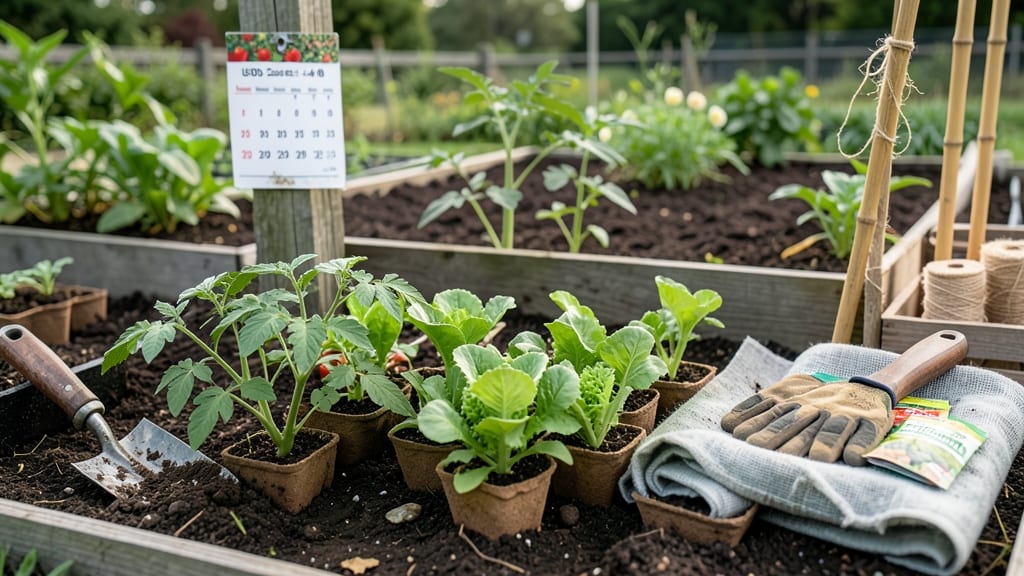
When to plant a vegetable garden in Iowa isn’t just about luck—it’s the difference between a bountiful harvest and a season of wasted seeds. With frost dates that can shift unpredictably, knowing when to plant each type of vegetable means the difference between thriving plants and a sad, withered garden.
I’ve spent years working with Iowa gardeners, and the #1 mistake I see is planting too early or too late.
Cool-season crops like peas and spinach need to go in the ground as soon as the soil is workable, while warm-season favorites like tomatoes and peppers wait until after the last frost—usually around mid-May in most zones.
But don’t guess: use Iowa State University’s frost date maps to pinpoint the perfect window for your area.
This guide breaks down the exact weeks to plant everything from leafy greens to heavy feeders, so you can avoid common pitfalls like bolting lettuce or stunted tomatoes.
Whether you’re a first-time gardener or a seasoned pro, these actionable steps will help you sync your planting schedule with Iowa’s climate—no more second-guessing, just confident gardening.
Ready to transform your garden from a gamble into a guaranteed success? Let’s dive into the frost-date cheat sheet that’ll have your vegetables thriving all season long.
Iowa’s frost dates by zone: critical planting windows for vegetables
Iowa’s USDA hardiness zones 3b–5a mean frost dates vary dramatically from north to south, but knowing these windows is the key to avoiding frost-killed seedlings or bolting vegetables.
The last spring frost typically arrives between April 15–May 15, while the first fall frost hits September 20–October 15, depending on your zone. For example, zone 3b (northwest Iowa) has 120 frost-free days, while zone 5a (southeast Iowa) enjoys 160+ days.
Your planting success hinges on these dates—planting warm-season crops like tomatoes too early risks frost damage, while cool-season crops like spinach planted too late may bolt before harvest.
Use the Iowa State University Extension’s frost calendar as your guide, but always adjust for microclimates like south-facing slopes or urban heat islands, which can push frost dates by 1–2 weeks.
Here’s how to use frost dates to plan your garden: Start cool-season crops 4–6 weeks before the last frost (e.g., peas in early April), while warm-season crops need soil temps of 60°F+—usually 2 weeks after the last frost.
For fall planting, count back 80–90 days from your first frost date to determine when to sow warm-season crops like bush beans or kale.
| Zone | Last Spring Frost | First Fall Frost | Frost-Free Days | Cool-Season Planting | Warm-Season Planting |
|---|---|---|---|---|---|
| 3b (NW IA) | April 25–May 5 | September 25–October 5 | 120 days | March 15–April 15 | May 15–June 1 |
| 4a (Central IA) | April 15–April 25 | October 5–October 15 | 140 days | March 1–April 1 | May 1–May 15 |
| 4b (SE IA) | April 5–April 15 | October 15–October 25 | 150 days | February 28–March 15 | April 20–May 1 |
| 5a (Southeast IA) | April 1–April 10 | October 25–November 5 | 160+ days | February 15–March 1 |
Best vegetables to plant in Iowa by month: a month-by-month guideIowa’s growing season stretches from early April to late October, but not all vegetables thrive in the same months. Cool-season crops like spinach and peas love spring’s chill, while tomatoes and peppers need summer’s warmth. Let’s break down the best planting windows month by month to maximize your harvest. March is all about preparation. Start cool-season seeds indoors like lettuce and broccoli, and harden off seedlings for early April planting. Southern Iowa gardeners can even direct-sow radishes and spinach in late March if soil isn’t frozen. Northern zones should wait until mid-April for frost-sensitive crops. 🌱 Month-by-Month Planting Highlights
For warm-season crops, timing is everything. Tomatoes and peppers need consistent warmth—plant them too early, and they’ll sulk. Use black plastic mulch to warm soil faster in cooler zones. My go-to trick? Plant bush beans in late May for a summer harvest, then again in early July for a fall crop. Don’t overlook fall planting. After Labor Day, focus on hardy greens like kale and Swiss chard. These thrive in cool weather and often taste sweeter after a light frost. Just cover them with frost blankets if temperatures dip below 25°F. Pro tip: Use Iowa State University Extension’s frost date maps to pinpoint your local last frost date. Even within one county, microclimates can shift planting windows by 1–2 weeks. For example, Des Moines might be ready for tomatoes by May 15, while Dubuque waits until May 25. Extend your season with row covers or cold frames. These let you plant spinach in early April or lettuce in late September—adding 4–6 weeks to your growing season. Just remove covers during hot days to prevent overheating. |