
Plants
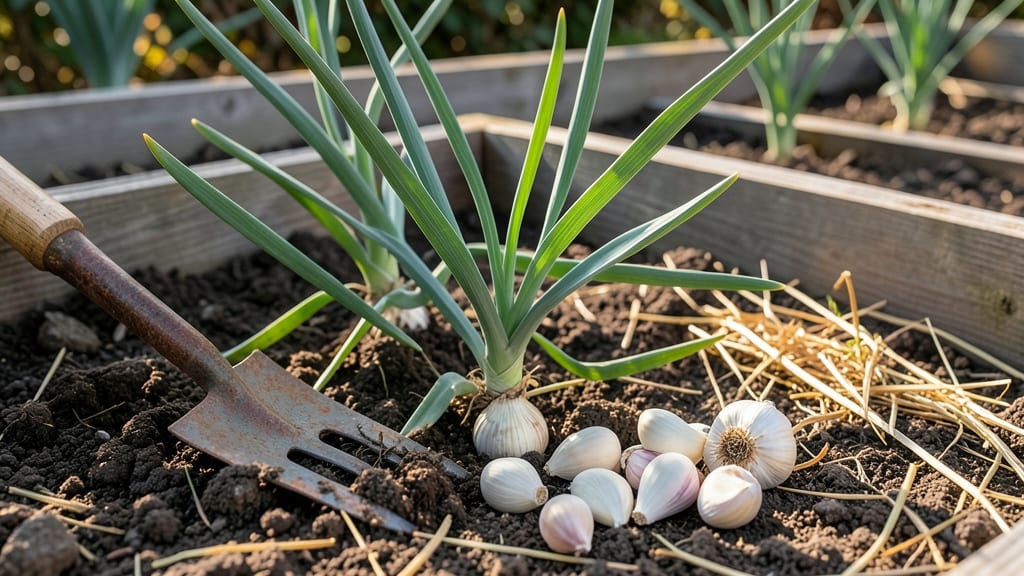
Planting garlic in Zone 6 at the wrong time can turn your 🧄 dreams into disappointment—frost bites tender shoots, and late starts shrink your harvest.
The secret to plump, flavorful bulbs lies in timing your fall planting just right, between October and November, when soil cools but hasn’t frozen solid.
Why does this 6-week window matter so much? Garlic needs cold exposure to form bulbs, but it won’t survive Zone 6’s first frost (around mid-November). Plant too early, and your cloves rot; too late, and they’ll bolt before summer.
I’ll show you exactly how to nail those ideal months for your hardneck or softneck varieties.
You’ll also discover how to prep your soil for success—drainage, nutrients, and even a trick to protect young shoots from winter’s worst.
Whether you’re a first-time planter or a seasoned gardener tweaking your routine, these climate-specific tips will help you grow garlic that rivals the grocery store (and tastes better too).
Ready to transform your garden? Let’s dive into the exact steps to plant garlic in Zone 6—so you can harvest bulbs that’ll make your kitchen (and neighbors) jealous.
Best months to plant garlic in Zone 6 for maximum yield
In Zone 6, garlic thrives when planted in late fall—specifically between October and November. This timing allows the cloves to establish roots before winter dormancy, then burst into growth in spring.
The key is planting 4-6 weeks before the ground freezes, typically around mid-October to early November in most of Zone 6.
Why fall? Garlic is a cool-season crop that needs 60-80 days of cold temperatures (below 40°F) to form bulbs properly.
Planting too early risks premature sprouting, while late planting may not give roots enough time to anchor before frost. Hardneck varieties (like 'Rock' or 'German Red') especially need this cold period to produce scapes and bulbs.
If you miss the fall window, you can try spring planting (March-April), but yields are usually smaller and less flavorful. Spring-planted garlic often produces softneck varieties better suited for storage, while fall planting favors hardnecks with their prized scape production.
Zone 6’s average last frost date (around April 15) gives garlic plenty of time to mature by July-August harvest. The 165 frost-free days in Zone 6 align perfectly with garlic’s 240-day growth cycle when planted in fall.
Soil temperature is another critical factor. Aim for 40-50°F soil temps when planting—too warm, and cloves may sprout too soon. Use a soil thermometer to check before planting.
In northern Zone 6 (6a), plant closer to October 15; in southern Zone 6 (6b), you might extend until November 10.
🌱 Zone 6 Garlic Planting Summary
| Factor | Zone 6 Specification | Key Notes |
|---|---|---|
| Ideal Planting Window | October 15 – November 10 | 4-6 weeks before ground freezes |
| Soil Temperature | 40-50°F | Use thermometer; avoid >55°F |
| Variety Type | Hardneck (rocks, artichokes) | Best for Zone 6’s cold winters |
| Planting Depth | 2 inches (pointy-end up) | Covers clove; prevents frost heave |
| Spacing | 6 inches apart | Allows bulb expansion |
🌡️ Pro Tip: Mulch with 4-6 inches of straw after planting to insulate cloves through winter.
Mulching is non-negotiable in Zone 6. A 4-6 inch layer of straw or leaves protects cloves from freeze-thaw cycles that can heave them out of the soil.
Remove mulch in early spring (March) to let garlic resume growth. Without mulch, cloves may sprout too early or get damaged by winter temperature swings.
Another Zone 6-specific tip: Hardneck varieties like 'Music' or 'Chesnok Red' perform best here because they require vernalization (cold exposure) to form bulbs. Softnecks (like 'Silverskin') can be planted in late fall or early spring, but they won’t produce scapes—the prized garlic shoots used in cooking.
If your Zone 6 winter is unusually mild, cloves might sprout too soon. Monitor soil temps and adjust planting dates earlier if ground stays warm.
Conversely, in harsh winters, plant closer to October 15 to ensure roots establish before deep freezes. Adjust for elevation: Higher elevations (e.g., mountains) may need earlier planting by 1-2 weeks.
Finally, test your soil pH before planting—garlic prefers 6.0-7.0. Zone 6 soils often lean acidic; amend with lime if needed. Well-drained soil is critical to prevent rot, which is more common in Zone 6’s humid summers.
Raised beds can help if your native soil is clay-heavy.
Zone 6 garlic planting calendar: exact dates by variety type
Planting garlic in Zone 6 requires precision—timing varies slightly between hardneck and softneck varieties, and regional microclimates play a role. Northern Zone 6 areas (like 6a) need earlier planting, while southern areas (like 6b) can wait a bit longer.
Hardneck varieties, prized for their flavorful cloves and scape production, thrive when planted between mid-October and early November. Softnecks, better for storage, can stretch the window slightly, but avoid planting after mid-November to prevent frost damage.
Here’s your Zone 6 garlic planting calendar, broken down by variety and regional adjustments to ensure success:
For northern Zone 6, aim to plant by October 20—any later risks cloves sprouting before winter dormancy. In southern Zone 6, you can push the window to mid-November, but monitor frost forecasts closely.
Pro tip: Use a soil thermometer to confirm 40–50°F soil temps—this is your green light to plant. If temps drop below 32°F, cover beds with straw mulch to insulate cloves.
Spring planting is possible in Zone 6, but bulbs will be smaller and less flavorful. Save this method for green garlic or emergency situations only.