
Companion Plants
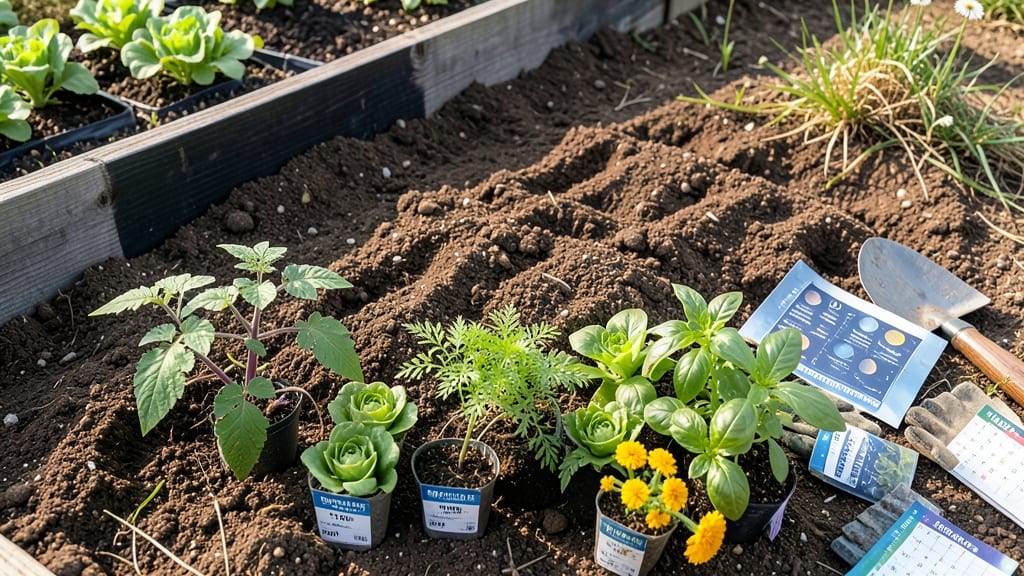
Planting your garden at the right time can transform a handful of seeds into a thriving harvest—or turn them into a sad, wilted memory. The exact months to plant in your zone make all the difference, especially when you're balancing frost dates, soil warmth, and plant maturity.
In USDA Zone 6a, where I garden, timing isn’t just about the calendar—it’s about knowing when the soil hits 60°F and the last frost has passed (usually around April 15 for me).
But what if you’re in a different zone or dealing with microclimates? The rules shift, and missing them can mean bolting lettuce or stunted tomatoes.
I’ve learned the hard way that planting too early risks frost damage, while waiting too long can leave you scrambling for fall crops. This guide will break down the ideal planting windows for your zone, whether you’re growing cool-season greens in spring or heat-loving peppers in summer.
Let’s dive into how to sync your planting schedule with your climate—so you can enjoy a garden that’s not just surviving, but thriving all season long.
Best planting months by hardiness zone & variety for maximum yield
Getting your garden's planting schedule right depends on two key factors: your USDA hardiness zone and the specific plant varieties you're growing.
In Zone 6a, where last frost typically hits around April 15 and first frost arrives October 15, your window for planting varies dramatically between cool-season crops and warm-season favorites.
For example, spinach and broccoli thrive when planted 4-6 weeks before your last frost, while tomatoes and peppers need to wait until soil temperatures hit at least 60°F—usually late May in this zone.
I've planted cool-season crops like lettuce and peas in early spring (March) and again in late summer (August) for fall harvests, while my warm-season staples like basil and cucumbers go in after Memorial Day.
The trick is matching each plant's temperature preferences with your local climate patterns to avoid bolting or frost damage. Let's break down the exact months for your most common garden varieties.
🌱 CORE PLANTING PRINCIPLES FOR ZONE 6A: Cool-season crops: Plant 4-6 weeks before last frost (March) Warm-season crops: Plant after last frost when soil reaches 60°F (late May) Perennials: Plant in spring or early fall for established root growth
| Plant Category | Best Planting Months | Key Notes |
|---|---|---|
| Cool-Season Vegetables | March-April August-September |
Spinach, kale, broccoli, peas. Use row covers for early spring. |
| Warm-Season Vegetables | May-June | Tomatoes, peppers, cucumbers, beans. Wait for soil ≥60°F. |
| Herbs | April-May July-August |
Basil (after frost), parsley (spring), cilantro (fall). |
| Flowers | April-May July-August |
Marigolds, zinnias (warm), pansies (cool). Deadhead for continuous blooms. |
| Perennials | April-May September |
Asparagus, strawberries, lavender. Plant crowns 2" deep. |
My tomatoes consistently produce the best yield when transplanted on May 15th—about 2 weeks after my last frost date. I've learned this through trial and error, but you can use your local frost-free date calculator (like the one from the National Weather Service) to pinpoint your exact window.
For cool-season crops, I start seeds indoors in late February to get a jump on the season, then transplant hardened-off seedlings after the last frost.
One pro tip: Direct-sow seeds like carrots and radishes in early spring (March) for faster germination, while transplanting seedlings of lettuce and cabbage gives you more control over spacing.
The key is understanding whether your plants prefer to be started indoors or direct-sown outdoors—this affects your timeline by 4-6 weeks.
For fall planting, aim to get warm-season crops in the ground by July 15th to give them enough time to mature before frost. I've had great success with bush beans and swiss chard planted in late summer—they tolerate cooler temps better than tomatoes but still produce well into October.
Always check your plant's days-to-maturity label and count backward from your first frost date.
Don't overlook microclimates in your garden. A south-facing wall can create a 5-10°F warmer zone perfect for heat-loving plants like eggplants. I've extended my growing season by 2-3 weeks in these spots. Conversely, low-lying areas may frost earlier—watch for these variations when planning your layout.
When in doubt, consult your seed packet for specific recommendations. Many now include zone-specific planting charts that account for regional variations. For example, heirloom tomato seeds might recommend planting between April 15-May 30, while hybrid varieties may suggest May 1-June 15 for optimal results.
Remember: Soil temperature matters more than air temperature. Use a soil thermometer to verify when it's safe to plant warm-season crops—wait until readings hit
How to adjust planting times for early/late harvests & climate shifts
Adjusting your planting schedule can extend your harvest by weeks—or even months—if you know how to work with your local climate. For example, cool-season crops like spinach and kale can handle light frosts, while warm-season plants like tomatoes and peppers need consistent warmth to thrive.
The key is understanding your last frost date and using tools like frost charts or heat maps to fine-tune your timing.
Start by calculating your frost-free days—most gardeners in USDA Zone 6a (like me) have about 165 frost-free days. This means I can plant warm-season crops in early May and still harvest before the first frost in mid-October.
For a longer harvest, try succession planting or use season extenders like row covers or cold frames.
Here’s how I adjust planting times for my early harvests and late-season crops:
- Start seeds indoors
Begin warm-season seeds like tomatoes or peppers indoors 6-8 weeks before your last frost date. This gives them a head start and extends the growing season by 3-4 weeks.
- Use row covers or cold frames
For cool-season crops like lettuce or radishes, I plant them 2-3 weeks earlier than recommended and cover them with lightweight fabric. This protects them from light frosts and boosts growth by 10-15°F.
- Plant heat-tolerant varieties
In Zone 6a, I swap out traditional varieties for heat-resistant ones like 'Heatmaster' tomatoes or 'Malaga' spinach. These can handle temperatures up to 90°F without bolting or wilting.
- Extend the season with black plastic mulch
Laying black plastic mulch around warm-season plants warms the soil by 5-10°F, letting me plant 2 weeks earlier in spring and 2 weeks later in fall. It also suppresses weeds and retains moisture.
- Monitor soil temperature
Use a soil thermometer to ensure warm-season crops are planted only when soil temps reach 60°F. If it’s cooler, wait—root crops like carrots will grow poorly in cold soil.
Don’t forget to check moisture levels during adjustments. For example, drought-prone areas may need drip irrigation to keep plants hydrated during extended heat waves. I always keep a rain gauge handy to track watering needs accurately.
When in doubt, consult your local cooperative extension office—they provide free frost maps and tailored advice for your area. Even a 1-week shift in planting can mean the difference between a bountiful harvest and a disappointing yield.
Experiment with these tactics, and you’ll soon master the art of season extension—no matter your climate! 🌱