
Planting
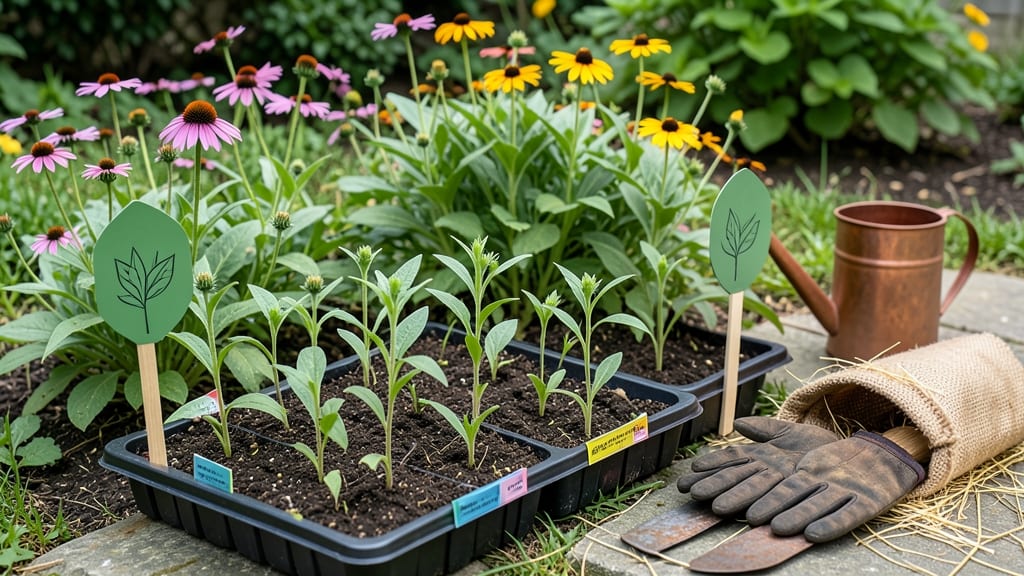
When to plant a garden in North Dakota isn’t just about waiting for spring—it’s about beating the clock before the first frost smothers your 🌱 General Garden Vegetables & Flowers in a flash.
With USDA Zones 3a-5a and frost dates that can swing wildly from May 10 to September 15, planting too early or too late means the difference between a bountiful harvest and a sad pile of wilted seeds.
Most gardeners here know the struggle: you plant your tomatoes in early May, only for a late frost to turn them to mush. But here’s the secret—county-specific frost charts can shave weeks off your guesswork.
Whether you’re in Fargo’s warmer microclimate or the cooler Badlands, knowing the exact windows for cold-hardy crops (like peas and kale) versus heat-lovers (like cucumbers and beans) is your ticket to a garden that thrives.
This isn’t just about throwing seeds in the dirt and hoping for the best. It’s about working with North Dakota’s short 120-day growing season—starting with soil prep in April, planting early crops by mid-May, and stretching your harvest into August with succession plantings.
I’ll walk you through the perfect timing for every stage, so you can skip the trial-and-error and get straight to the rewards.
Ready to turn your backyard into a productive oasis? Let’s dive into the county-by-county planting schedule that’ll make your neighbors green with envy—and your dinner plate full all summer long.
North Dakota frost dates by county: the exact windows to plant for success
North Dakota’s frost-free dates vary dramatically across its 53 counties, with the Red River Valley (Zone 3b-4a) often thawing 2-3 weeks earlier than the western badlands (Zone 3a).
These differences mean your Fargo planting window might be safe for tomatoes by May 20, while Dickinson gardeners should wait until June 5—or risk a late frost wiping out seedlings.
To avoid the heartbreak of frost-killed seedlings, I’ve compiled county-specific frost charts based on 30-year averages from the ND State Climate Office.
Use these as your planting guide, but always check your local USDA Zone (most of ND falls in Zones 3-4) and adjust for microclimates like urban heat islands or sheltered valleys.
Here’s how to decode the table below: Last frost dates mark when you can safely plant heat-loving crops (like tomatoes and peppers), while first frost dates tell you when to harvest cool-season veggies (such as kale and spinach) before winter sets in.
For cold-hardy crops (e.g., peas, radishes), you can start 4-6 weeks before your last frost date.
| Region | Last Frost (Avg.) | First Frost (Avg.) | Frost-Free Days | Key Crops for Early Planting |
|---|---|---|---|---|
| Red River Valley (Grand Forks, Fargo) | May 10–15 | September 20–25 | 130–140 days | Peas, spinach, lettuce, radishes |
| Central ND (Bismarck, Jamestown) | May 15–20 | September 10–15 | 120–130 days | Potatoes, kale, Swiss chard, early cabbage |
| Western ND (Dickinson, Minot) | May 25–June 5 | September 5–10 | 100–110 days | Beets, carrots, turnips, hardy greens |
| Southeast ND (Walsh, Grafton) | May 5–10 | September 25–October 1 | 140–150 days | Tomatoes, peppers, cucumbers (with row covers) |
| Northwest ND (Napoleon, Cavalier) | May 20–25 | September 15–20 | 110–120 days | Broccoli, cauliflower, Brussels sprouts |
🌱 Note: Adjust dates 1–2 weeks earlier for urban areas (heat islands) or later for high-elevation sites.
For heat-sensitive crops like tomatoes and peppers, wait until soil temperatures reach 55°F+—even if the air is warm. Use a soil thermometer to check, as cold soil can stunt growth. In Zone 3a counties (e.g., Ransom or Slope), consider starting seeds indoors in March for a head start.
Pro tip: Bookmark the ND State Climate Office’s frost maps (ndsu.edu/climate) for real-time updates.
I’ve seen years where Fargo’s last frost hit June 10, forcing me to replant tomatoes twice—but also years where Dickinson stayed frost-free until June 20, giving me an extra 2 weeks of growing time.
If you’re in a transition zone (e.g., Cass County borders both early and late frost areas), err on the side of caution. Plant fast-maturing varieties (e.g., ‘Early Girl’ tomatoes or ‘Little Marvel’ peas) and use row covers to extend your season.
For perennials like asparagus or rhubarb, plant in early spring (April) to establish roots before summer heat.
How to adjust planting dates for North Dakota’s unpredictable weather patterns
North Dakota’s weather is famously fickle—one week you’re planting peas, the next a late frost turns your seedlings to ice cubes. The key to beating this unpredictability? Flexible planting strategies that account for soil temperature, microclimates, and backup plans for high-value crops.
I’ve gardened here for years, and I’ve learned that rigid schedules lead to heartbreak, while adaptable timing leads to harvests.
Start by investing in a soil thermometer—this isn’t just a fancy tool, it’s your lifeline. Most cool-season crops like spinach and peas need soil temps of 40-50°F, while warm-lovers like tomatoes and peppers won’t germinate below 60°F.
Check temps in the morning for accuracy, and don’t be fooled by air temperature—soil warms up slower, especially in sandy or rocky soils common in western ND.
🌱 Numbered Highlights: Adjusting for ND’s Weather
- 1. Use row covers for early plantings—lightweight fabric raises soil temps by 5-8°F and protects seedlings from late frosts (try floating row covers over peas or lettuce).
- 2. Plant heat-sensitive crops (tomatoes, peppers) in black plastic mulch to warm soil faster—this can shave 2-3 weeks off your growing season.
- 3. Set backup dates for high-value crops: if your potatoes or beans fail in May, have a June 10 replanting plan.
- 4. Monitor ND Mesonet for real-time soil/air temps—this free tool predicts frost risks better than a calendar ever could.
- 5. Succession plant every 2 weeks for crops like lettuce and radishes to stagger harvests and reduce frost risk.
Microclimates are your secret weapon in ND. The Red River Valley (e.g., Fargo, Grand Forks) often sees last frosts 2 weeks earlier than the Badlands (e.g., Dickinson, Minot). If you’re in a warmer pocket, plant heat-lovers 10-14 days earlier—but always have row covers ready.
Conversely, high-elevation areas like Theodore Roosevelt National Park may need to wait until June 1 for tomatoes.
Don’t forget about early heatwaves, another ND specialty. If temps spike above 85°F in July, shallow-rooted crops like carrots or onions bolt prematurely. Mulch with straw or grass clippings to keep roots cool, and water deeply in the early morning to reduce stress.
I’ve saved entire plantings this way during those brutal July heat domes.
For perennials and asparagus, time is even more critical. Plant crowns in early spring (April) when soil is workable but before bud break. If you miss the window, wait until fall planting (September) when roots can establish before winter.
And if you’re growing fruit trees, choose cold-hardy varieties like Honeycrisp apples or Montmorency cherries—they’ll survive ND’s swings better than tender southern varieties.
Finally, keep a gardening journal to track your own frost dates. Note when your last frost hits each year—this data is more valuable than any county average. Over time, you’ll spot patterns (e.g., “My yard frosts on May 20 every year, so I plant tomatoes on June 1”).
Share your notes with neighbors to build a community frost calendar—because in ND, we all win when we garden smarter, not harder.