
Plants
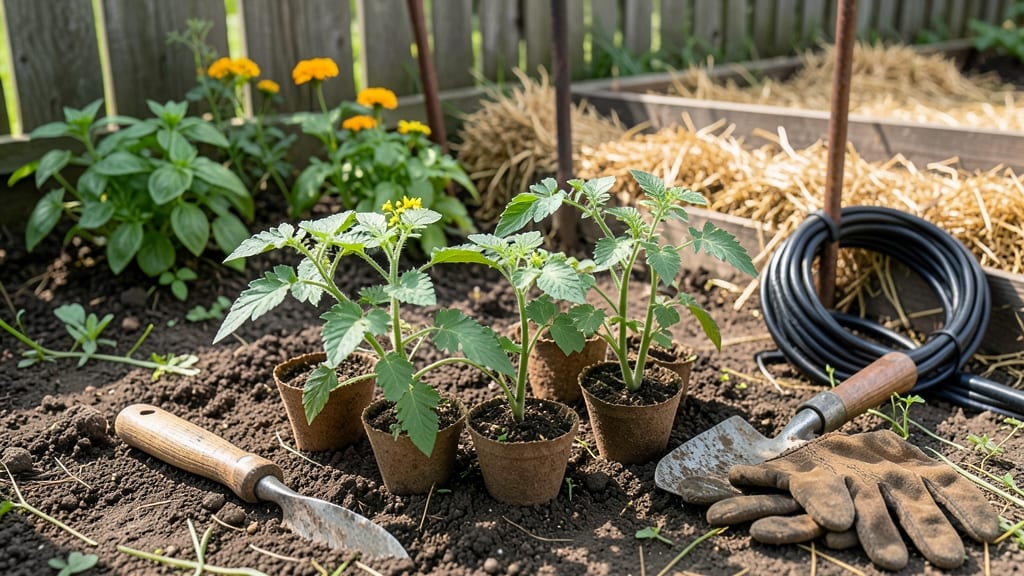
Planting your 🍅 tomatoes at the wrong time in Indiana can mean the difference between a bumper crop and a sad, frost-nipped disappointment. The key to success lies in waiting for that perfect window—after the last frost but before the soil heats up too fast.
With Indiana’s USDA Zones 5b-6b and unpredictable spring weather, timing matters more than you might think. Too early and a late frost will wipe out your seedlings; too late and you’ll miss the best flavor window. I’ll break down the exact dates and soil temperature thresholds you need to know.
Whether you’re starting seeds indoors or buying transplants, this guide covers everything—from northern Indiana’s cooler microclimates to southern Indiana’s earlier planting opportunities. You’ll also learn how to adjust for heatwaves or unexpected cold snaps.
Ready to grow tomatoes that taste like summer? Let’s get you planting at the perfect moment for heavy harvests all season long.
Indiana tomato planting timeline: exact dates by zone 5-6 for maximum yield
Indiana’s USDA Zones 5b-6b create a unique challenge for tomato growers—northern Indiana often faces late frosts, while southern Indiana can experience early heatwaves. To maximize your tomato harvest, timing is critical.
The average last frost date in Indiana ranges from April 15 in southern Indiana to May 1 in northern Indiana, but these dates can shift by weeks.
For heavy yields, plant tomatoes after soil temperatures consistently reach 60°F—not air temperature. Cold soil stunts root growth, leading to transplant shock and poor fruit set. Use a soil thermometer to confirm readiness, especially in northern Indiana, where spring warmth arrives later.
Here’s your Indiana tomato planting timeline, accounting for regional differences and backup dates for late springs:
| Zone & Region | Last Frost Date | Ideal Planting Window | Backup Window (Late Spring) | Soil Temp Threshold |
|---|---|---|---|---|
| Southern Indiana (Zone 6b) | April 15 | April 20–May 10 | May 15–June 1 | 60°F+ |
| Central Indiana (Zone 6a) | April 25 | May 1–May 15 | May 20–June 1 | 60°F+ |
| Northern Indiana (Zone 5b) | May 1 | May 10–May 25 | May 30–June 10 | 60°F+ |
For urban gardeners or those with limited space, consider container gardening. Containers warm up faster than in-ground soil, allowing you to plant 2–3 weeks earlier in southern Indiana. Use black plastic pots to absorb heat and add compost to improve drainage.
If you’re starting tomato seeds indoors, begin 6–8 weeks before your last frost date. For southern Indiana, this means March 1–March 15, while northern Indiana gardeners should start seeds April 1–April 15. Use grow lights to ensure seedlings get 12–16 hours of light daily.
Pro tip: Plant fast-maturing varieties like ‘Early Girl’ or ‘Stupice’ in late May for a second harvest if your first planting gets hit by late frost. These varieties produce fruit in 50–60 days, giving you a late-summer crop even if early plantings fail.
Always monitor Indiana weather forecasts and use the Purdue Extension frost predictor for real-time updates. A 5-day forecast of 50°F nights after planting? Cover your tomatoes with frost cloth to protect young plants.
🌱
5 Critical factors that determine your perfect tomato planting window in Indiana
Indiana’s tomato planting success depends on more than just dates—soil temperature, frost risk, and plant maturity all play critical roles. The #1 mistake gardeners make? Focusing on air temperature instead of soil warmth.
Tomatoes need soil at 60°F+ to thrive, while air temps can fluctuate wildly. Always use a soil thermometer for accuracy.
Here are the 5 critical factors that determine your perfect planting window in Indiana’s USDA Zones 5b-6b, ranked by impact:
- 🌡️ Soil Temperature: 60°F+ is non-negotiable. Cold soil causes root shock and stunted growth. Use black plastic mulch to warm soil 2–3°F faster in spring.
- ❄️ Frost Risk: Northern Indiana’s last frost can hit May 15, while southern Indiana averages April 15. Check Purdue Extension’s frost maps for real-time updates.
- ⏳ Plant Maturity: Fast varieties (50–60 days) like ‘Early Girl’ work for late starts, while heirlooms (80+ days) need early planting. Match your variety to your frost-free window.
- 🌱 Seed Starting: Indoor starts need 6–8 weeks before last frost. Southern Indiana? Start seeds March 1–15. Northern Indiana? Wait until April 1–15 to avoid leggy seedlings.
- 🌿 Microclimates: Urban areas warm 2–5°F faster than rural zones. South-facing gardens plant 1–2 weeks earlier than shaded spots. Observe your yard’s sun exposure patterns.
Pro tip: For container gardening, soil warms 3–5°F faster than in-ground beds. Use 5-gallon black pots to plant 2 weeks earlier in southern Indiana. Just ensure pots have drainage holes to prevent root rot.
If you’re buying transplants, harden them off for 7–10 days before planting. Acclimate seedlings to Indiana’s wind and sun by moving them outdoors gradually. Skip this step, and you’ll risk transplant shock—even with perfect timing.
🌱