
Plants
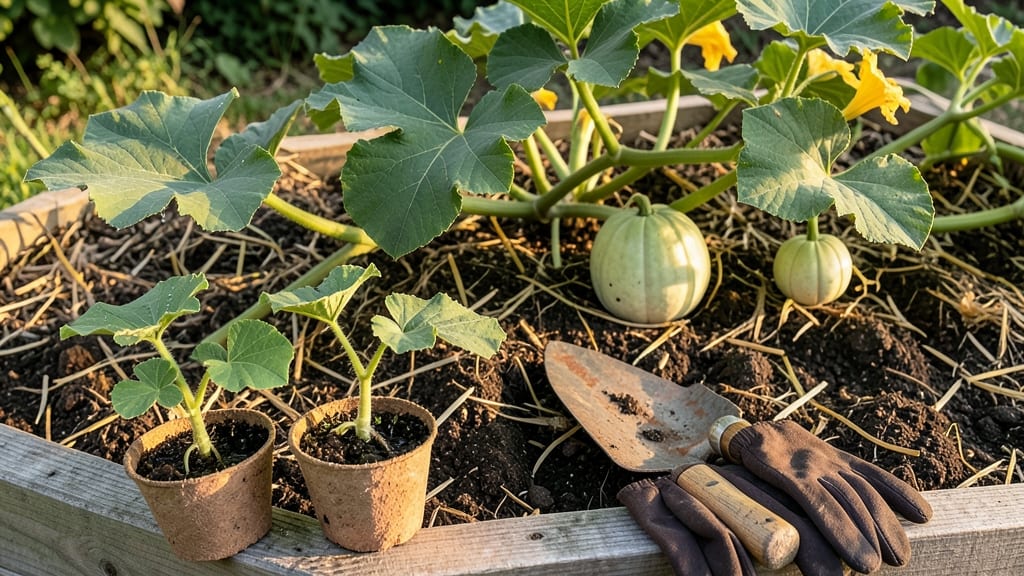
Planting pumpkins in Ohio at the wrong time can mean the difference between a bountiful harvest and a sad, wilted vine—especially when frost sneaks in earlier than expected. With USDA Zone 6a averages and Ohio’s unpredictable spring, timing is everything to grow those Halloween-ready 🎃 giants.
Most gardeners in Ohio wait until after the last frost (around mid-May), but soil temperature matters just as much. Pumpkin seeds need warmth—at least 60°F—to sprout, and planting too early in cooler zones (like Zone 4-5 in northern Ohio) can stall growth or invite disease.
In this guide, I’ll break down the exact frost-free window for your county, whether you’re in Cincinnati’s warmer valleys or Cleveland’s cooler hills. You’ll learn how to adjust planting dates, pick the right varieties, and avoid common mistakes that ruin Ohio harvests.
Ready to grow pumpkins that thrive? Let’s get you planting at the perfect moment—so your vines have plenty of time to spread, fruit, and deliver those perfectly carved jack-o’-lanterns by October.
Ohio pumpkin planting calendar by heat Zone (USDA Zones 4-7)
Ohio’s USDA Zones 4-7 create dramatic differences in pumpkin planting success. In Zone 4 (e.g., Cleveland, Toledo), your frost-free window is tight—just 120-140 days—while Zone 7 (e.g., Cincinnati, Columbus) enjoys 160+ days of warmth. Timing is everything to avoid black rot or frost-nipped vines.
Pumpkin seeds need soil temperatures above 60°F to germinate. In northern Ohio, this often means waiting until late May, while southern Ohio gardeners can start as early as mid-April. Transplanting seedlings too soon risks cold damage—even hardy varieties like ‘Jack Be Little’ need warmth to thrive.
Here’s your county-specific planting guide based on NOAA frost data, ensuring you maximize your Halloween-ready harvest while avoiding common pitfalls like powdery mildew from overly humid late summers.
| Zone | County Examples | Last Frost Date | Planting Window | Ideal Transplant Date | Harvest Ready By |
|---|---|---|---|---|---|
| 4 | Cuyahoga (Cleveland), Lucas (Toledo) | May 10–15 | Late May–Early June | May 20–June 1 | October 1–10 |
| 5 | Franklin (Columbus), Lorain | April 25–May 5 | Early May–Mid-June | May 10–15 | October 10–20 |
| 6 | Hamilton (Cincinnati), Clermont | April 10–20 | Mid-April–Late May | April 25–May 10 | October 25–November 5 |
| 7 | Montgomery (Dayton), Clark | March 25–April 10 | Early April–Mid-May | April 15–25 | November 1–10 |
For Zone 4 gardeners, prioritize fast-maturing varieties like ‘Howden’ (75 days) or ‘Small Sugar’ (80 days) to squeeze in a harvest before October’s first frost. In Zones 6-7, you can afford larger varieties like ‘Cinderella’ or ‘Jarrahdale’ (90+ days), giving you wiggle room for late-summer plantings.
Pro tip: Use row covers in Zones 4-5 to extend your planting window by 2-3 weeks. Remove covers once vines establish to prevent overheating. Always monitor soil temps with a thermometer—pumpkins won’t germinate below 60°F, even if air temps are warm.
In southern Ohio (Zones 6-7), you can even try a second planting in late July for a fall harvest. Just ensure your chosen variety matures within 90-100 days to avoid frost risks. For example, ‘Autumn Gold’ (85 days) is perfect for this strategy.
Remember: Overcrowding is a common mistake—pumpkins need 50–100 sq ft per plant to thrive. Space vines properly to prevent powdery mildew, which thrives in humid Ohio summers. Thin seedlings to 2–3 feet apart once they’re 3–4 inches tall.
🎃
How to adjust pumpkin planting dates for Ohio’s microclimates
Ohio’s climate varies dramatically from the cool northern valleys (like Zone 4-5 in Toledo or Youngstown) to the warmer southern regions (like Zone 6-7 in Cincinnati or Columbus). This means your pumpkin planting window can shift by 3-4 weeks depending on where you live.
If you’re in Zone 4, you’ll need to start seeds indoors or use cold-hardy varieties, while gardeners in Zone 7 can plant later and still enjoy a long growing season.
For northern Ohio (Zones 4-5), aim to plant pumpkin seeds indoors 3-4 weeks before your last frost date (around April 15) and transplant seedlings after soil warms to 60°F—usually mid-to-late May.
In southern Ohio (Zones 6-7), you can direct-sow seeds as early as early April or transplant seedlings by mid-April, giving vines extra time to mature before frost.
🌱 Pro Tip: Use row covers or black plastic mulch in cooler zones to warm soil faster and extend your planting window by 1-2 weeks. This trick helps northern Ohio gardeners avoid the risk of frost nibbling young vines in May or early June.
Another key adjustment? Variety selection. In Zone 4-5, opt for fast-maturing varieties like ‘Jack Be Little’ (55 days) or ‘Small Sugar’ (80 days), while Zone 6-7 gardeners can grow larger varieties like ‘Howden’ (90 days) or ‘Cinderella’ (100 days) without rushing the harvest.
To calculate your personal frost-free window, check the Old Farmer’s Almanac or your local NOAA climate station for your county’s average last frost date. Subtract 90-120 days (pumpkin’s growing season) to find your ideal planting window.
For example, if your first frost is October 15, plant by July 15 for a 90-day variety or by June 15 for a 120-day variety.
🌡️ Ohio Pumpkin Planting Adjustments by Zone
- Zone 4-5 (North): Start seeds indoors by March 15, transplant after May 15 when soil is 60°F+. Use row covers to extend season.
- Zone 6 (Central): Direct-sow seeds by April 15 or transplant seedlings by April 30. Ideal for standard varieties.
- Zone 7 (South): Plant seeds as early as March 15 or transplant by April 1. Perfect for large, late-season pumpkins.
- All Zones: Avoid planting after July 1—vines won’t mature before frost, and fruit may develop powdery mildew in humid Ohio summers.
One final trick for Ohio gardeners: stagger your planting. Sow a few seeds every 2 weeks between April and June to ensure a continuous harvest. This works especially well in Zone 6-7, where you can enjoy pumpkins from late August through October.
Just remember—overcrowding vines leads to poor fruit development, so space plants 4-6 feet apart.
By adjusting for your microclimate, you’ll beat Ohio’s unpredictable weather and grow pumpkins that thrive—whether you’re carving them for Halloween or baking into pies all winter. 🎃