
Companion Plants
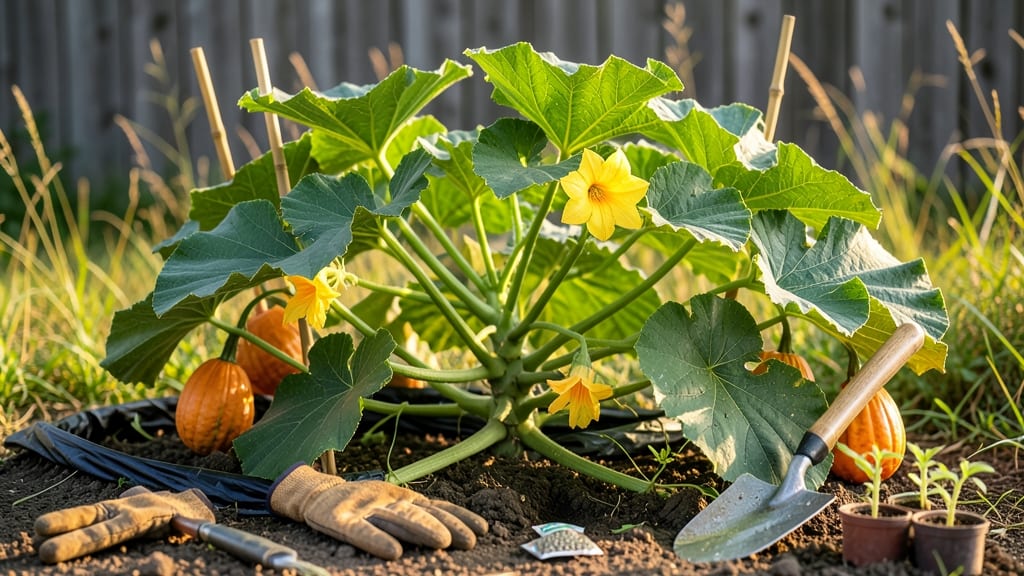
Planting pumpkins in Ohio isn't just about grabbing seeds and sticking them in the dirt—timing is everything, and getting it wrong could mean tiny gourds or no harvest at all.
With Ohio’s 6a climate and frost dates that shift yearly, knowing when to plant your 🎃 is the difference between a bumper crop and a wasted season.
Most Ohio gardeners swear by mid-April to early June as the sweet spot, but that’s only half the story. Soil temperature matters just as much as calendar dates—pumpkins need warm earth to germinate, and rushing them can leave you with weak seedlings.
I’ll walk you through the exact conditions to watch for, plus how to adjust for early vs. late varieties like 'Howden' or 'Jack Be Little'.
What if your yard has a microclimate? Urban heat islands or high-altitude spots can push your planting window earlier or later than the average.
I’ll share tricks like using row covers or waiting for soil to hit 60°F—because even the best-intentioned gardener can misjudge when to plant pumpkins in Ohio if they ignore these details.
By the end, you’ll know not just when to plant, but how to set your pumpkins up for success—so you’re harvesting big, healthy gourds by October instead of scrambling to salvage a failed crop. Let’s get started.
Ohio’s ideal pumpkin planting window: frost-date calculations for success
Ohio’s last average frost date typically falls around April 15, but this can vary by 5-10 days depending on your region. For pumpkins, which need 75-120 days to mature, timing is everything.
Plant too early, and you risk cold soil that delays germination. Plant too late, and you might miss the harvest window before the first frost in mid-October.
To nail the perfect window, start by counting backward from your expected first frost date. Most Ohio gardeners aim for a 100-day growing season, giving pumpkins enough time to vine out and produce fruit.
For example, if your frost date is October 15, you should plant by July 15—but that’s too late for most Ohioans! Instead, focus on early to mid-May for direct sowing.
Soil temperature is just as critical as frost dates. Pumpkin seeds need soil temps above 60°F to sprout reliably. In Ohio, this usually happens by mid-April in southern regions but can wait until late April or early May in northern areas like Toledo or Cleveland.
Use a soil thermometer to confirm before planting.
For Ohio’s USDA Zone 6a, here’s your planting timeline broken down by region: - Southern Ohio (e.g., Cincinnati, Columbus): Mid-April to early May - Central Ohio (e.g., Dayton, Mansfield): Late April to mid-May - Northern Ohio (e.g., Cleveland, Toledo): Early to mid-May Adjust these dates if you’re using row covers or black plastic mulch to warm the soil earlier.
Ohio Pumpkin Planting Guide by Region
| Region | Last Frost Date | Ideal Planting Window | Best Varieties |
|---|---|---|---|
| Southern Ohio | April 10-15 | Mid-April to early May | Howden, Cinderella |
| Central Ohio | April 15-20 | Late April to mid-May | Jack Be Little, Sugar Pie |
| Northern Ohio | April 25-May 5 | Early to mid-May | Small Sugar, Waltham Butternut |
🌱 Pro Tip: Use black plastic mulch to warm soil 2-3 weeks earlier in cooler regions.
If you’re growing shorter-season varieties like Jack Be Little (75 days), you can push your planting window slightly later—even into early June in southern Ohio. However, these varieties often produce smaller pumpkins, so they’re better suited for container gardening or urban plots.
For larger pumpkins (like Atlantic Giant), stick to the earlier window and be prepared to thin seedlings to 2-3 strong plants per hill. Overcrowding leads to smaller fruit and increased disease risk. Space hills 4-6 feet apart to give vines room to sprawl.
One common mistake Ohio gardeners make is planting too early and hoping for the best. Cold soil can cause seeds to rot in the ground or sprout unevenly. Instead, wait for consistent daytime temps above 70°F and nighttime temps above 55°F before sowing.
This usually aligns with late April to early May for most of the state.
For those in microclimates—like urban heat islands or protected garden nooks—you might extend your window by 1-2 weeks. Monitor your local weather station or use a frost calendar from your local Cooperative Extension office for the most accurate data.
Finally, don’t forget to harden off seedlings if you’re starting indoors. Pumpkins are sensitive to transplant shock, so acclimate them to outdoor conditions for 7-10 days before setting them in the ground. This step is especially critical if you’re planting after the ideal window.
How to adjust pumpkin planting for Ohio’s microclimates and frost risks
Ohio’s diverse geography means your neighbor’s perfect pumpkin patch might fail in your yard. Urban gardens in Columbus can be 5-10°F warmer than rural fields just miles away due to heat islands, while high-altitude areas like Cleveland’s East Side may experience later frosts.
Adjust your planting timeline based on these microclimates to avoid frost damage or poor germination.
Start by identifying your local microclimate. Urban areas with concrete and pavement retain heat longer, allowing you to plant 1-2 weeks earlier than rural zones. Conversely, wooded or shaded areas stay cooler, delaying your window by 10-14 days.
Use a home weather station or check local Cooperative Extension data for your specific neighborhood.
For urban gardeners, leverage containers and raised beds to warm soil faster. Black plastic mulch can raise soil temps by 5-8°F, letting you plant ‘Jack Be Little’ as early as late April in cities like Cincinnati.
In high-altitude areas, opt for cold-hardy varieties like ‘Waltham Butternut’ (90 days) and use row covers to extend the season by 2-3 weeks.
🌡️ Ohio Microclimate Adjustments for Pumpkin Planting
- 1. Urban Heat Islands: Plant 1-2 weeks earlier (late April). Use containers for mobility.
- 2. Rural/High-Altitude: Wait until soil hits 65°F (early May). Try row covers for extra warmth.
- 3. Shaded Gardens: Choose dwarf varieties (e.g., ‘Minnesota Freckles’) and plant 2 weeks later than average.
- 4. Protected Nooks: Extend season by 3 weeks with black plastic mulch or cloches.
- 5. Windy Areas: Plant near windbreaks (fences, hedges) to prevent vine damage.
✅ Key Tip: Monitor soil temp, not air temp—pumpkins need 60°F+ to thrive.
If you’re in a frost-prone area, consider staggered planting. Sow a small batch every 2 weeks from mid-April to early May to ensure at least one group matures before frost.
This works especially well for ‘Howden’ (85 days) or ‘Sugar Pie’ (90 days), which can handle light frosts if vines are established.
For northern Ohio gardeners near Lake Erie, watch for lake-effect frosts in late May. These sudden cold snaps can kill young seedlings overnight. Use frost cloth or plastic tunnels for the first 2-3 weeks after planting.
Alternatively, start seeds indoors in late March and transplant hardened-off seedlings in early May.
Don’t overlook soil preparation in microclimates. Amend sandy soils (common in southeastern Ohio) with compost to retain moisture, while clay-heavy soils (like in northeast Ohio) benefit from gypsum to improve drainage.
Test your soil’s pH (6.0-6.8)—pumpkins thrive in slightly acidic conditions, and lime or sulfur adjustments can make all the difference in marginal climates.
Finally, keep an eye on local weather forecasts in the weeks leading up to planting. If a late frost is predicted, delay sowing or use row covers until the threat passes.
With these microclimate tweaks, you’ll turn Ohio’s unpredictable climate into an advantage—growing bigger, healthier pumpkins no matter where you garden. 🎃