
Plants
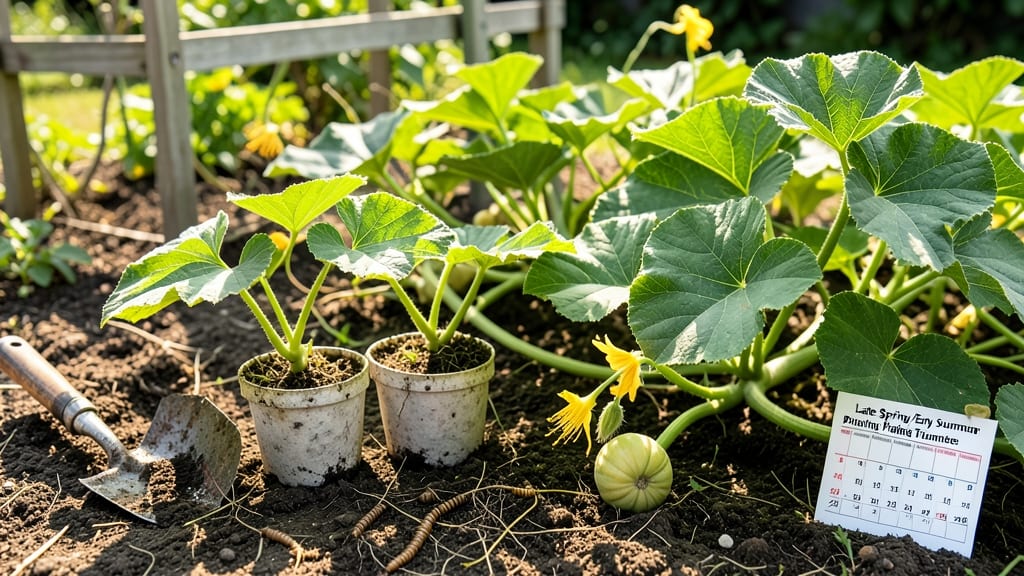
Planting pumpkins in Michigan isn’t just about tossing seeds into the dirt—it’s about catching that perfect window between frost risk and summer heat. Miss the mark, and your 🎃 dreams could end up as mushy vines instead of prize-winning gourds.
Here’s the truth: Michigan’s USDA Zones 5-6 demand precision. Plant too early, and frost will nip your seedlings before they take root. Too late, and your pumpkins won’t mature before the first frost in October.
The key? Starting seeds after the last frost—typically late April to mid-June—when soil temperatures hit 60°F+.
I’ve learned the hard way that rushing the process leads to weak plants, while waiting too long cuts your harvest short. Whether you’re direct-sowing in your garden or transplanting seedlings, timing is everything. Let’s break down the exact schedule—and the mistakes to avoid—to ensure your pumpkin patch thrives.
From Detroit’s urban gardens to the Upper Peninsula’s cooler climates, we’ll cover regional tweaks, soil prep, and the best varieties for Michigan’s short growing season. Ready to grow pumpkins that actually make it to harvest? Let’s get started.
Michigan pumpkin planting deadlines by USDA Zone 5-6 (with frost risk charts)
Michigan’s USDA Zones 5-6 create a tight window for planting pumpkins—just 90-110 frost-free days to mature. In Zone 5a (Northern Michigan), aim for late May to early June planting, while Zone 6b (Detroit/Grand Rapids) can start as early as mid-May.
These deadlines ensure your vines develop before the first frost (mid-October), giving pumpkins time to harden their rinds.
Soil temperature is your #1 guide: Wait until the ground reaches 60°F+ at 6-inch depth. Cold soil slows germination, leaving seedlings vulnerable to late spring frosts.
Use a soil thermometer—planting when temps dip below 55°F risks rot and poor growth. Pro tip: Black plastic mulch warms soil 5-10°F faster in cooler zones.
Direct sowing is preferred in Michigan, but transplanting seedlings (started indoors 4-6 weeks before last frost) buys you 2-3 extra weeks of growth. For Northern Michigan (Zone 5a), transplant by June 1st; for Southern Michigan (Zone 6b), you can push it to June 15th. Seedlings need hardening off for 7-10 days before moving outdoors.
Here’s your backup plan for late starts: Choose fast-maturing varieties (e.g., ‘Early Golden’ (75 days)) and use row covers to extend the season by 2-3 weeks.
In Zone 5a, plant ‘Jack O’Lantern’ (90 days) by May 20th—any later, and you’ll risk immature harvests. Southern Michigan gardeners have more flexibility but should still plant by June 10th for reliable yields.
| Zone & Location | Last Frost Date | Ideal Planting Window | Soil Temp Threshold | Backup Deadline |
|---|---|---|---|---|
| Zone 5a (Marquette, Traverse City) | Mid-May | Late May–June 1 | 60°F+ | June 8 (for fast varieties) |
| Zone 5b (Lansing, Kalamazoo) | Late April–Early May | Mid-May–June 10 | 60°F+ | June 15 |
| Zone 6a (Grand Rapids) | Early May | Late April–June 15 | 60°F+ | June 20 |
| Zone 6b (Detroit, Ann Arbor) | Mid-April | Mid-May–June 20 | 60°F+ | July 1 (for late starts) |
🌡️ Pro Tip: Use a soil thermometer—planting when temps dip below 55°F risks rot.
Michigan pumpkin planting deadlines by USDA Zone 5-6 (with frost risk charts)
Michigan’s USDA Zones 5-6 offer a short but productive growing season for pumpkins—if you time it right. The last spring frost typically hits mid-May in southern Michigan (Detroit, Grand Rapids) and late May in the Upper Peninsula.
Your pumpkin seeds need soil temperatures above 60°F to sprout, so don’t rush! Planting too early risks frost damage, while waiting too long cuts your harvest window.
For direct sowing (planting seeds outdoors), aim for late May to early June in most of Michigan. If you’re transplanting seedlings, start them indoors 4-6 weeks before your last frost date.
Northern Michigan gardeners should adjust by 1-2 weeks later to account for cooler soils. Always check your local Michigan State University Extension frost maps for precision.
Here’s your planting timeline broken down by region and method, plus soil temperature thresholds to avoid common mistakes:
| Region | Last Frost Date | Direct Sowing Window | Transplant Start Indoors | Soil Temp Threshold |
|---|---|---|---|---|
| Southern Michigan (Detroit, Ann Arbor) | Mid-May | Late May - Early June | Early April - Mid-April | 60°F+ |
| Central Michigan (Lansing, Grand Rapids) | Late May | Early June - Mid-June | Mid-April - Late April | 60°F+ |
| Northern Michigan (Traverse City, UP) | Late May - Early June | Mid-June - Early July | Late April - Early May | 60°F+ |
⚠️ Pro Tip: Use a soil thermometer to confirm temps before planting. Cold soils delay germination by weeks!
If your seeds don’t sprout within 10-14 days of planting, the soil may still be too cool. Have a backup planting date ready—usually 2 weeks later—to ensure at least one batch of pumpkins matures before frost.
For slow-starting years, opt for fast-maturing varieties (like ‘Jack O’Lantern’) that can reach harvest in 85-90 days.
Remember, pumpkins need 90-120 days to mature, so count backward from your average first frost date (usually mid-October). Planting in late June is cutting it close—reserve this for smaller varieties or container growing. Always mark your planting date on a calendar to track progress toward harvest!
For extra protection, use row covers if planting early or in Zone 5a areas. Remove covers once vines emerge to prevent overheating. And if you’re in Northern Michigan, consider black plastic mulch to warm the soil faster—it can shave 1-2 weeks off your planting timeline.