
Companion Plants
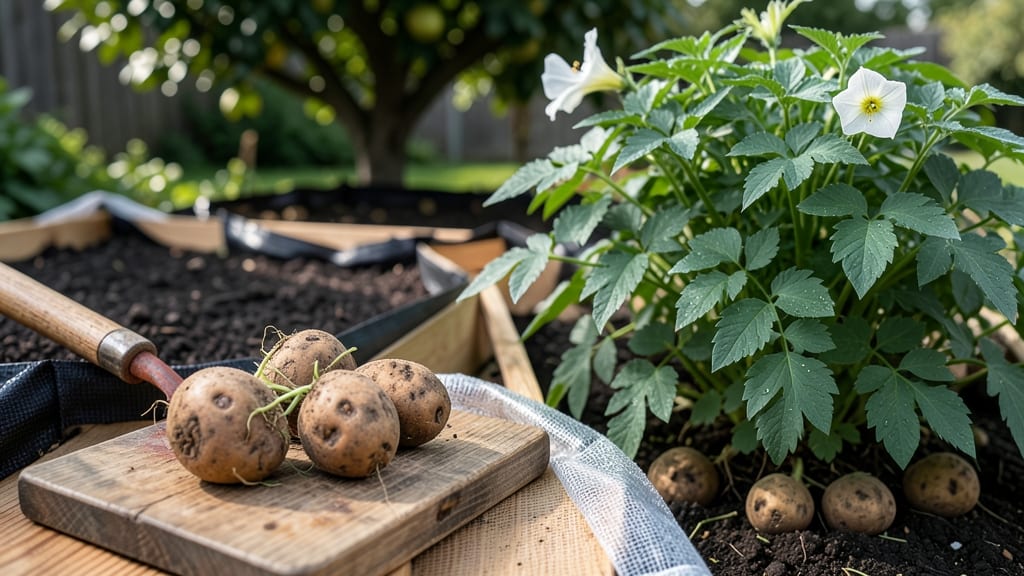
Planting potatoes in Ohio isn’t just about throwing them in the dirt—it’s about beating the clock before those late spring frosts can turn your hard work into a sad, wilted mess.
The difference between a bumper crop and a total loss often comes down to knowing when to plant your seed potatoes, whether you're in Columbus, Toledo, or Youngstown.
Ohio’s USDA Zone 6a climate means you’ve got roughly 180 frost-free days, but that window can shift dramatically depending on where you live. Too early, and a surprise frost will kill your sprouts; too late, and your potatoes won’t mature before fall sets in.
The key is matching your variety to your local frost dates and soil temperature—something I’ve learned the hard way after a few too many failed attempts.
In this guide, I’ll break down the exact planting timeline for Ohio, including which varieties thrive in early spring and which can handle a delayed start. You’ll also discover soil prep tricks, spacing secrets, and post-planting care to ensure your 🥔 harvest is as successful as it is satisfying.
Whether you’re a first-time gardener or a seasoned grower, timing is everything—and with these Ohio-specific tips, you’ll be well on your way to a garden full of golden spuds by summer’s end.
Ohio’s frost-free planting zones: when to start seed potatoes by region
Ohio’s USDA zones 4b-6a create dramatic differences in frost risk, meaning your planting date in Toledo (Zone 5b) could be 2 weeks earlier than in Youngstown (Zone 6a).
The Ohio State Weather Network tracks frost dates, and their data shows the average last frost ranges from April 1-15 in southern Ohio to April 15-30 in the north. To avoid frost damage, I plant my early varieties 4-6 weeks before the last frost date.
For Columbus (Zone 6a), aim to plant between March 15-April 1 for early varieties like ‘Early Red’ or ‘Kennebec’. In Cincinnati (Zone 6a), you can push planting to April 1-15 thanks to urban heat islands.
Meanwhile, Toledo (Zone 5b) gardeners should start by March 1 to beat late frosts. Always check local frost maps like the Midwestern Regional Climate Center for real-time updates.
Soil temperature is just as critical as air temperature—potatoes need 45-50°F soil to sprout consistently. In Ohio, this typically aligns with late March-early April, but northern Ohio may need to wait until mid-April. I use a soil thermometer to confirm before planting; cold soil delays germination and invites rot.
Regional microclimates also play a role. Lake-effect zones near Lake Erie (e.g., Lorain) can experience delayed springs, so I plant 2 weeks earlier there. Conversely, southern Ohio’s river valleys (e.g., Chillicothe) warm faster, allowing late-April plantings for mid-season varieties like ‘Yukon Gold’.
🌱 Ohio Potato Planting Zones by Region
| Region | USDA Zone | Last Frost Date | Early Variety Planting Window | Mid-Season Variety Planting Window |
|---|---|---|---|---|
| Northern Ohio (Youngstown, Akron) | 6a | April 15-30 | March 15-April 1 | April 1-15 |
| Central Ohio (Columbus, Dayton) | 6a | April 1-15 | March 1-April 1 | April 1-15 |
| Southern Ohio (Cincinnati, Chillicothe) | 6a-7a | March 25-April 10 | March 15-April 1 | April 1-15 |
| Northwest Ohio (Toledo, Lima) | 5b | April 1-15 | February 28-March 15 | March 15-April 1 |
| Southeast Ohio (Athens, Zanesville) | 6a | April 1-15 | March 1-April 1 | April 1-15 |
*Adjust dates 1-2 weeks earlier for high-elevation areas or later for urban heat islands.
If you’re in Zone 4b (e.g., Steubenville), opt for super-early varieties like ‘Chieftain’ or ‘Red Norland’, which mature in 70-80 days. These can handle cooler soils and still produce a harvest before first frost.
I’ve found that container growing in Zone 4b extends the season by 2-3 weeks—just use black plastic pots to warm the soil faster.
For late plantings (after April 15), focus on short-season varieties like ‘Red Pontiac’ (85 days) or ‘Kennebec’ (90 days). These can still yield small but edible potatoes if planted by May 1, though yields drop by 30-50%.
Always mulch heavily with straw or leaves to protect tubers from late-spring frosts.
Pro tip: Chit your seed potatoes (sprout them indoors) 4-6 weeks before planting to jumpstart growth. This is especially helpful in northern Ohio, where slow soil warming can delay emergence by 2-3 weeks.
Place seed potatoes in a bright, cool spot (50-60°F) and watch for 1-inch sprouts before planting.
Remember, Ohio’s frost dates shift yearly—don’t rely solely on averages. Sign up for local weather alerts from the National Weather Service
Best potato varieties for Ohio’s short growing season: early vs. late maturity
Ohio’s short 180-day growing season demands potato varieties that mature quickly while thriving in USDA zones 4b-6a. Early varieties like ‘Red Norland’ (90 days) are your best bet for northern Ohio, while ‘Yukon Gold’ (110 days) shines in southern regions like Cincinnati.
The key? Matching your variety to your last frost date—Columbus gardeners should prioritize 70-90-day varieties, while Toledo’s longer season allows for slightly later maturing types.
For insurance against late frosts, I always plant a mix: 20% early varieties (like ‘Early Rose’ at 60 days) for a June harvest and 80% mid-season types (such as ‘Kennebec’) for a late-summer bounty.
This strategy works even if spring delays push planting to mid-April—a common scenario in Ohio’s Zone 5b areas like Youngstown.
Ohio Potato Variety Ratings
Avoid late-maturing varieties like ‘Russet Burbank’ (130+ days) unless you’re in Zone 6a (southern Ohio). These need 100+ frost-free days, which Toledo barely hits, and Columbus rarely achieves.
Instead, I’ve had the most success with ‘Red LaSoda’—it’s disease-resistant, stores well, and matures in 90 days, making it perfect for Ohio’s late-May to early-June planting if springs run late.
For emergency late plantings (after April 20), turn to ‘Finnish Fingerling’ (80 days) or ‘Adirondack Red’ (90 days). These cold-hardy varieties can still produce a harvest if planted in May, though yields will be smaller. Always pair them with row covers or black plastic mulch to accelerate soil warming.
Pro tip: <